Interview
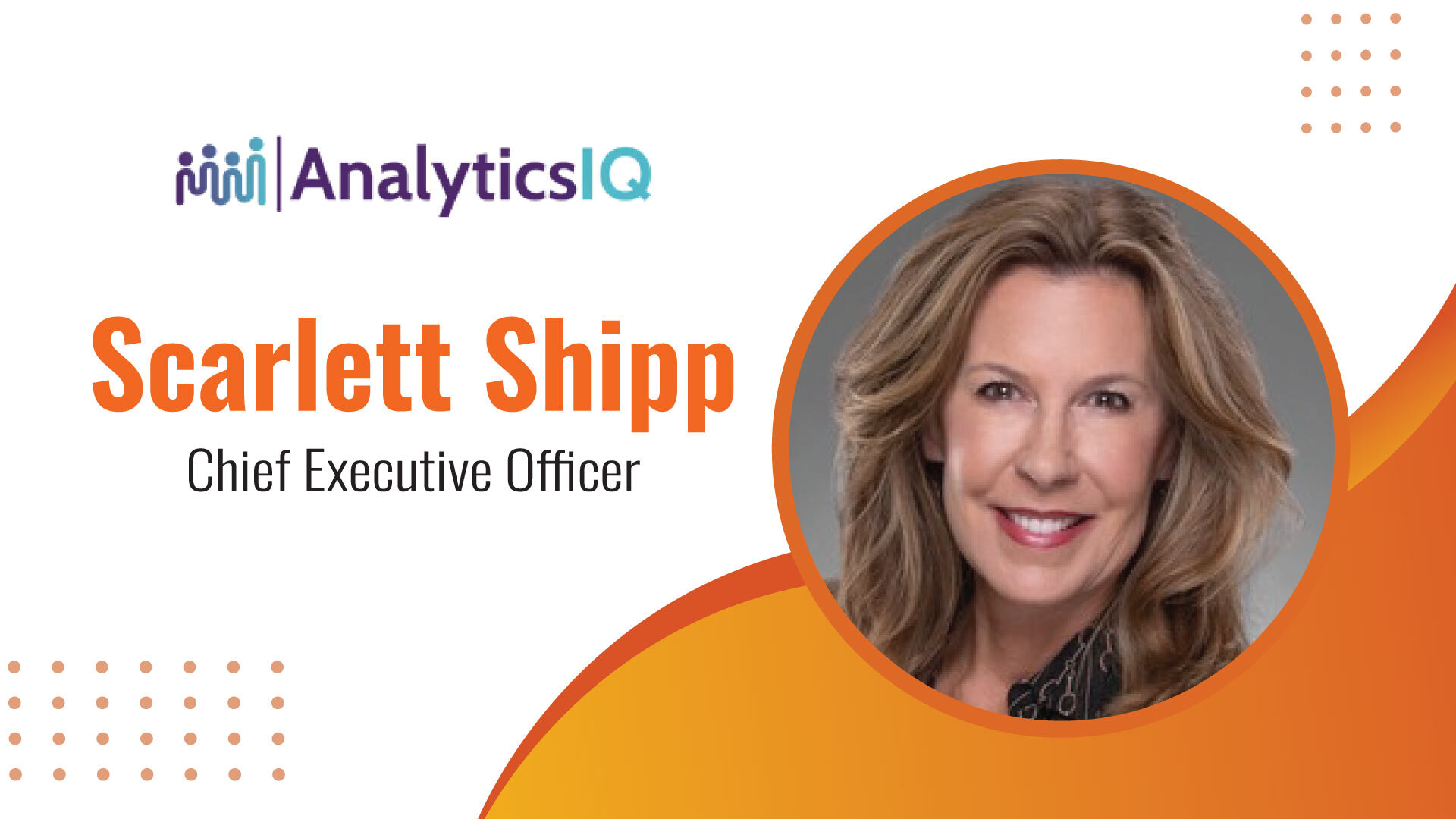
MarTech Edge Interview with Scarlett Shipp, Chief Executive Officer, AnalyticsIQ
analytics 2 Nov 2023
Welcome, Scarlett! How does your professional background of working in big data, analytics, and computer software enable you to be better in your current role as the CEO of AnalyticsIQ?
I’m happy to be here! I believe my background and experience in different roles and industries allow me to bring a unique perspective to the martech and data space. I have a background in credit risk in a regulated industry, so a high standard for data quality, ethics, and privacy is always top of mind for me. I strongly believe those principles apply in marketing. I am also fortunate enough to have worked in different places across the globe, which has given me the opportunity to experience diverse perspectives and cultures.
Throughout my career, I have cultivated a love for building things, and that is what I’m most excited about continuing as CEO at AnalyticsIQ – building innovative products, building a quality culture, and building our company.
Could you highlight some key factors that have contributed to AnalyticsIQ receiving the recognition of “Best Predictive Analytics Solution”?
First and foremost, credit goes to our incredible team because our success is a team effort. We have a group of intelligent, diverse, and innovative individuals who are passionate about our mission of driving better outcomes for all with data, and that is evident in the products and solutions we create.
We also know that we are not successful unless our clients are even more successful, and this motivates us to constantly push the envelope and innovate with data. But to be specific, our proprietary and custom research processes led by our one-of-a-kind Department of Cognitive Sciences set AnalyticsIQ and our predictive data apart. The vast majority of our data products are created using a powerful combination of cognitive psychology and data science. Our Cognitive Sciences team utilizes a scientific, research-based development process that is tested and validated. This resulting intellectual property created by our Cognitive Sciences team through their proprietary research is the basis for many of the individual data products we develop with best practices in data science and predictive analytics. The integration of cognitive psychology and data science results in highly predictive, stable, and unique data assets at scale. Brands, marketers, and data science teams across industries use AnalyticsIQ data assets to better understand consumers and ultimately drive better outcomes.
Can you provide deeper insights into AnalyticsIQ’s core offerings, namely PeopleCore consumer data, BusinessCore B2B data, and Connection+ B2B2C linkages? How do these solutions empower organizations to garner better business outcomes?
Absolutely. PeopleCore is the first consumer database rooted in cognitive psychology and predictive analytics and provides a complete picture of who people are, what they do, and why they make decisions. BusinessCore is our B2B data asset, but what makes it unique is its focus on providing insight into the professionals making decisions – not just traditional business information and firmographics. That leads perfectly to Connection+, which is a powerful solution that links our two databases, unlocking a complete B2B2C view of an individual both as a consumer and professional. These B2B2C linkages and the resulting insight fuel powerful use cases in today’s hybrid world.
What essential changes have you been implementing since you held the chair of the CEO? In what ways do you believe these changes will push the envelope for AnalyticsIQ?
One of my first goals and objectives as CEO of AnalyticsIQ is to drive us to become more customer-centric than ever before. We want to solve tomorrow’s customer challenges today. However, a solution isn’t truly a solution if it’s not addressing a real problem, so the voice of the customer has to be the driving force of all of our decisions. I believe that being product-led by constantly collecting and translating customer feedback and insights directly into our strategies and solutions will ensure we’re pushing the right envelope in the right way.
I also want to make sure we are leading the way when it comes to navigating the evolving regulatory environment to ensure our clients do not skip a beat when leveraging data to power their marketing. To that end, we continue to take an active role in industry developments and have built an internal compliance team that ensures we’re able to deliver powerful data that meets all regulatory requirements and respects consumer privacy.
How does having a robust identity enrichment solution enhance an organization’s marketing efforts and contribute to delivering more sophisticated personalized experiences?
The digital world today is full of disparate, anonymous identifiers that offer little insight on their own. However, consumers expect brands to deliver personalized and relevant experiences across channels. This is why not only identity but also enrichment has become paramount. So, at AnalyticsIQ, we’re uniquely positioned to help digital marketers make this happen with our ability to unlock 1500+ predictive PeopleCore and BusinessCore data points and enrich a variety of identity signals with our Identity Intelligence solution. This helps brands not only identify individuals but also actions based on reliable insights and activate across channels – all with one partner.
How will the new partnership between AnalyticsIQ and Claritas allow businesses to achieve new heights of marketing ROI by leveraging the advanced PRIZM Premier segmentation solution?
Claritas is a leader when it comes to marketing segmentation, and we’re thrilled to give our clients access to PRIZM Premier codes alongside our PeopleCore consumer data. Our partnership emphasizes our mutual commitment to elevating marketing ROI for both agencies and brands. By pairing PRIZM Premier with AnalyticsIQ’s predictive people-based data, marketers can delve deeper into segment personas and take action based on reliable and comprehensive data. This empowers users to enhance personalization at scale and improve marketing results.
In what manner has AnalyticsIQ managed to uphold a working balance between privacy and personalization, guaranteeing that their customers do not need to compromise in either aspect?
Throughout my career, I’ve worked in highly regulated industries with stringent privacy and compliance requirements. So, an awareness of and adherence to these types of requisites is naturally at the forefront of my mind. And at AnalyticsIQ, our mission is to fuel better outcomes for all with data – and that includes consumers. That means that privacy and regulatory requirements are at the center of the data products we create from the start. However, thanks to our proprietary research methodologies and product development procedures that rely on cognitive sciences, public and opt-in data sources, and best-in-class data science techniques, we have not had to sacrifice predictive power, data quality, and, ultimately, our clients’ ability to personalize. Furthermore, our team has built and continues to add to an entire suite of FLA, Reg B, and ECOA-friendly elements specifically designed to provide value while adhering to regulations around consumer privacy.
By blending cognitive psychological research and predictive analytics, we are able to provide innovative solutions that can provide actionable insight into consumers in a privacy-compliant, non-invasive manner.
What emerging trends do you foresee in the predictive analytics and data science space? How is AnalyticsIQ positioned to capitalize on these trends?
Emerging trends in the predictive analytics and data science sector point to a transformative period ahead. The non-linear customer journey necessitates an evolved ability to understand consumers and deliver personalized experiences at every interaction. The impending deprecation of third-party cookies and rising privacy regulations will notably reshape the data and martech landscape. Predictive analytics, leveraging machine learning and AI, will become vital in anticipating customer preferences while upholding privacy standards. Emerging technologies such as Connected TV (CTV) and audio marketing are also gaining traction, and I believe predictive analytics will play a crucial role in powering real-time personalization opportunities in new ways.
At AnalyticsIQ, providing reliable and actionable data and insights in a privacy-centric manner based on research and predictive analytics is what we’ve been doing for over a decade. And, thanks to strategic partnerships, our own internal capabilities, and our commitment to privacy, we will continue to fuel better marketing outcomes with data as our industry continues to evolve.
You were recently recognized as one of the Top Women in Media & Ad Tech; how do you plan to sustain this feat, and what advice would you offer to aspiring women trying to make a mark in the business world?
While I was recognized individually, being named one of the Top Women in Media & Ad Tech by AdExchanger and AdMonsters is truly a team accomplishment. However, I believe we can sustain such quality performance by continuing to innovate, leaning into our curious nature as builders and researchers, and ultimately following through on our mission.
My message to women in business is to always maintain your convictions, pursue excellence in everything you do, and not settle for situations that stifle your potential. By staying authentic to yourself and proactively seeking supportive environments that resonate with your ethos, you will position yourself for success. And remember that each step you take also paves the way for others.
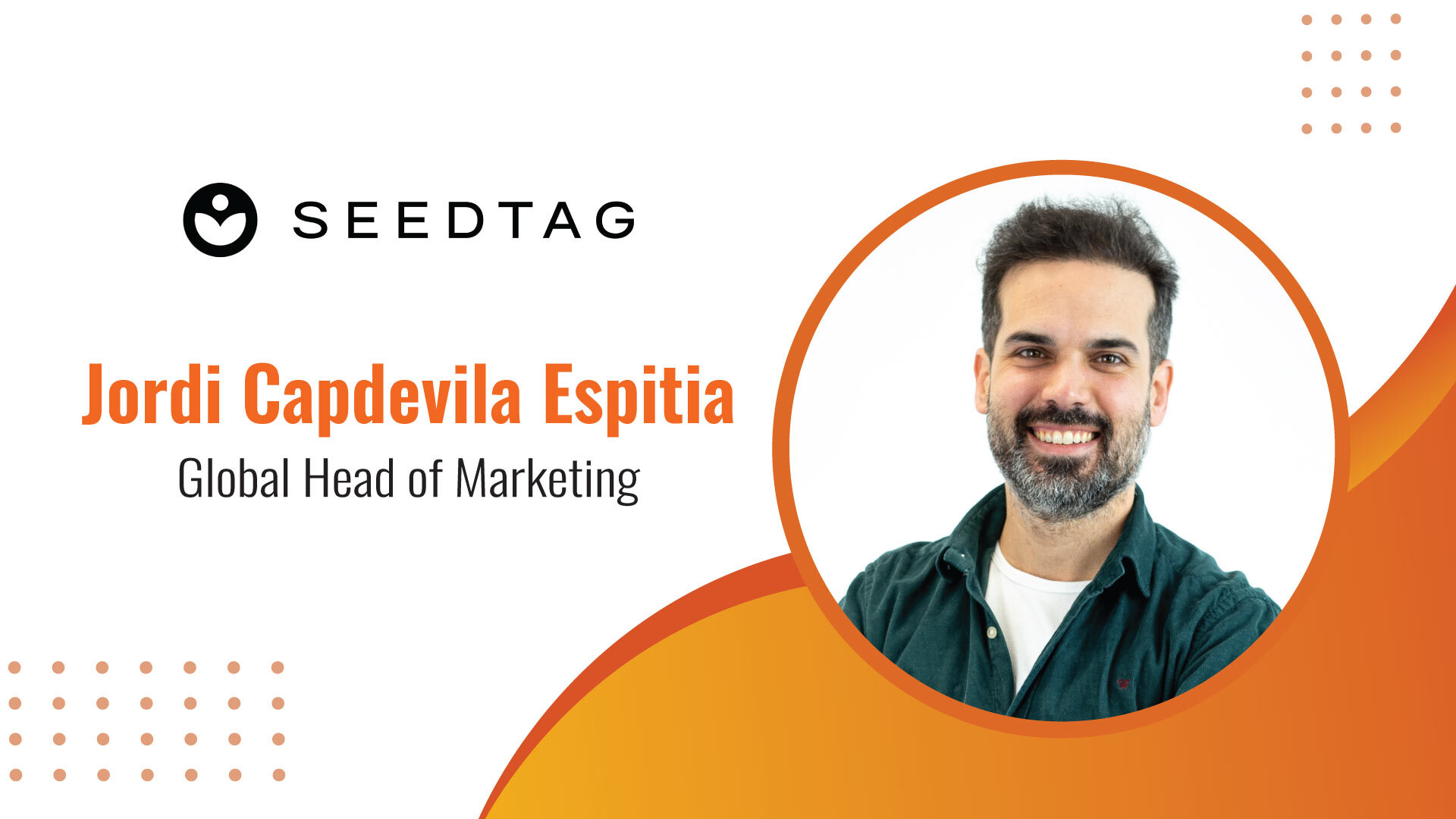
MarTech Edge Interview with Jordi Capdevila Espitia, Global Head of Marketing, Seedtag
advertising 31 Oct 2023
Welcome, Jordi! Thank you for taking the time to speak with us today. Please share with us your career story, which led you to your current role as the Global Head of Marketing at Seedtag.
My experience comes from first solo managing marketing for small to medium-sized B2B businesses, all the way to eventually building entire teams at much larger companies. A combination of self-trial and error and learning from my teammates built up my career to the point where I am today, leading marketing at Seedtag, with 500+ employees and a global team of 30 people.
Can you provide an overview of Seedtag’s core contextual advertising solutions? How do these solutions allow brands to deliver exceptional ad experiences?
Seedtag was born 9 years ago with the vision of building a solution to reach people with a respectful and privacy-first approach. With that in mind, we trained Liz, our contextual AI technology, that leverages Deep Learning, Computer Vision, and Natural Language Processing capabilities that allow us to deliver ads on relevant websites that target suitable audiences in the open web, without the use of cookies.
We evolved from display advertising with a few formats to now more than 150 configurations, including video, in different placements along the editorial content of our premium publishers. Users are served with non-intrusive ads that correlate with their reading experience and interests.
What methods do you employ to identify and segment your target audience effectively? How does it contribute to enhanced reach & engagement?
We work closely with our Sales and Growth teams to understand who we are speaking with, day in and day out. We get to know the buyer personas and buying committees that are driving budgets toward our solution in order to educate and nurture them with the best content — getting them informed to make an informed decision when placing their digital advertising budgets and maximizing returns. I believe that this approach is the way to go when looking for long-term growth, greater engagement, and reach.
Seedtag recently launched the industry’s first generative AI capability for contextual dynamic creatives; could you share how this innovation enhances the creation and delivery of advertising content?
This is a key development for Seedtag in 2023 and the next step in our ability to modify creatives to better fit within the context of a page. We’re pioneering the use of generative AI in campaign creatives, which allows us to resonate with consumers even further and drive better results for our clients. With the ability to generate multiple versions of the same ad, brands can maximize their impact and adapt their original creatives to fit within a diverse range of contexts, delivering greater attention and brand outcomes for our customers.
How do you adapt your marketing strategies to changing consumer behaviors in the digital advertising space?
It is all about being proactive through consumer listening and trend watching to see where the industry is heading instead of continuously adapting to support the never-ending changes of our industry. We believe that collaborating with our customers and partners is the best way to set the pace of an industry and define the future of contextual advertising.
With the emphasis on cookie-free engagement, how does your contextual AI technology work to connect brands with consumer’s specific interests?
We possess the capability to construct an intricate network encompassing all the URLs that have been meticulously analyzed. This network, known as the Contextual Graph, serves as a powerful tool for matching topics and interests with the briefings of our customers. The result is a remarkable synergy, enabling us to strategically position ads in those specific topics, achieving greater affinity with the consumer’s interest.
Our innovative approach stands out as truly distinctive, transcending conventional categorization methods. We establish a direct connection by tying back every single interest to the consumer, getting informed in real-time with the right ad. This dynamic real-time connection ensures that our customers’ campaigns are equipped with the optimal advertisement, offering a highly personalized and effective marketing strategy.
How do you maintain a balance between delivering relevant advertising and respecting consumer’s privacy and preferences?
We prioritize user privacy by not storing personal data, a decision made from our core values of respecting the user. Our focus is solely on understanding the context of the content and respecting the anonymity of every user behind the screen. This allows us to deliver relevant ads that are seamlessly integrated within the right context, ensuring consumers have an even stronger engagement with brands. Therefore, we are all in within a privacy-first world.
How do you envision the future of contextual advertising, and what role does Seedtag aim to play in shaping this landscape?
Contextual is reaching beyond the open web to diverse channels where people seek information and entertainment. Each of these channels has a context that advertisers can tap into, all while maintaining a commitment to respectful engagement with consumers. We believe in harnessing the power of context to deliver value and relevance in every interaction, so I see Seedtag defining the future of contextual advertising and setting the standards for it.
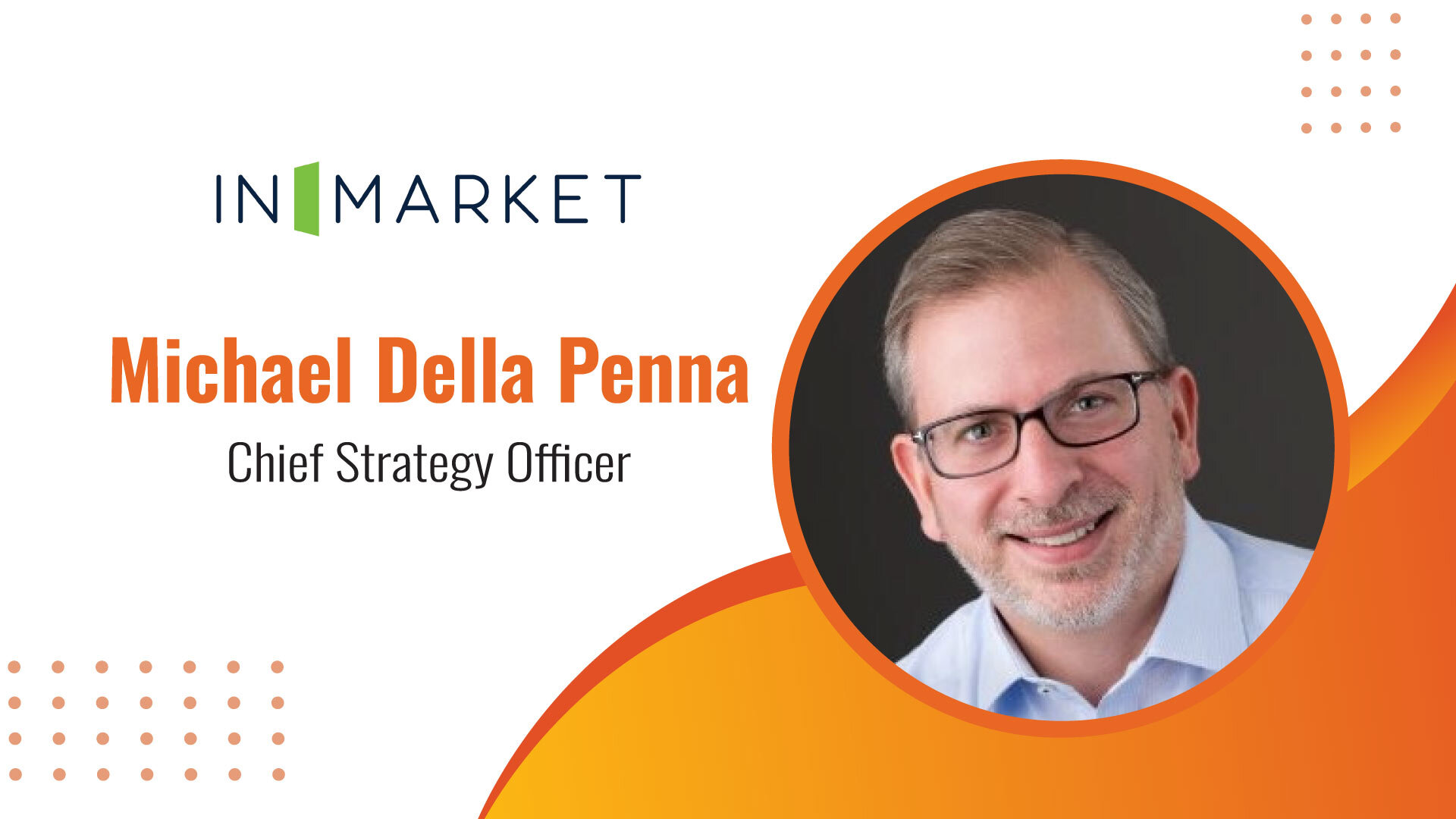
MarTech Edge Interview with Michael Della Penna, Chief Strategy Officer, InMarket
marketing 26 Oct 2023
Welcome, Michael! With over 25 years of experience in diverse roles, could you highlight some key milestones and accomplishments that have shaped your career?
I would say my career has been defined by being open, interested, and passionate about exploring what’s next. This was sparked at my first job with Canon USA, where I was a marketing manager in the consumer products division and part of a team that brought the first personal copier, facsimile, and all-in-one computer called the Navigator to market in the U.S. We also launched a pretty impressive channel strategy, including the development of derivative products to sell into emerging channels like office superstores and warehouse clubs. It was really a thrilling time and job that helped define the kinds of companies I’ve worked at throughout my career. Since then, I’ve only sought opportunities and organizations that are disruptive and innovative in an emerging industry.
At ZDNet, we defined Web 1.0 as a top 10 site with more time spent than any other site aside from search engines. Leading marketing and strategy there, as well as taking them public, led me to explore new ways to monetize eyeballs, resulting in the launch of the industry’s first content-driven, vertical market email newsletters. That success led me to be part of the leadership team of a JP Morgan/Flatiron VC-backed, viral email company that we transformed into one of the first email service providers and later sold to Epsilon.
At Epsilon as CMO, we transformed the organization from a stogie, old database company into a leading marketing services organization through a series of acquisitions enhancing our email, data, and agency capabilities. My involvement with M&A got me excited about social — so much so that I launched my own social CRM company called Conversa Marketing, which was later sold to StrongMail, which became StrongView and then Selligent. There, I led the integration of my social solution into an email platform, which exposed me to the power of orchestrating messaging across channels and inspired my next move of leading Emerging Channels at Responsys, where I spearheaded the integration of SMS, mobile & display advertising, and social into the email platform. My exposure to the power of mobile there and subsequently Responsys by Oracle, where I led the acquisition of a mobile start-up called PushIO, got me passionate about the power of mobile. Several investments later in mobile and location companies led me to InMarket.
How has InMarket been successful in being a leading provider of real-time, omnichannel marketing solutions?
What really attracted me to InMarket was the power of its innovative and disruptive advertising solutions and the Moments product specifically. This unique solution’s ability to connect with consumers in real-time and at their precise moment of need was eye-opening, particularly when I saw the engagement rates in the double digits and averaging 6x the industry benchmark. It is the highest-performing advertising you can do, with engagement rates higher than display and mobile advertising and even email and search.
This notion of sensing and responding to consumers based on real-time signals and at their precise moment of need across the customer purchase journey is what’s next. The sophistication and number of signals will continue to grow, and the emergence of AI will only help enhance the accuracy and relevance of these interactions over time, which is exciting.
Done well, marketing and the relationship between consumers and brands will reach new heights, where relevant experiences will be expected, and campaigns will be optimized and fine-tuned to fulfill true one-to-one marketing. This notion of real-time sense and response is a new era of marketing that is a win for both the consumer and the marketer, and I’m incredibly excited to be part of it by leading the way at InMarket.
What key strategic initiatives have you employed as InMarket’s Chief Strategy Officer, and how have they propelled the company’s growth?
The Chief Strategy Officer plays a crucial role in a company’s growth. We must be able to provide expert guidance to make decisions that will promote long-term growth and sustainability.
Like all emerging innovative and disruptive companies I’ve worked with in the past, it’s about telling the story and sharing best practices. At InMarket, we’ve spent a lot of time sharing and acknowledging our clients’ successes and highlighting best practices. Whether it’s our Lift Leaders awards program and video series recognizing the companies and their leaders driving ROAS success or our Breakthrough Moments campaigns showcasing the ins and outs of creating great, engaging experiences for consumers, sharing these stories within the market and among our clients has been instrumental in fueling our rapid growth.
In many respects, I, along with my incredible team, have been able to create a platform to raise up and recognize those marketers who are like me, interested in challenging the norms, blazing the trail of innovation, and disrupting the way marketing is and should be done — it’s kind of a full-circle moment.
Could you provide an instance from your professional experience where you confronted a complex challenge? Please detail how you skillfully managed and resolved the situation.
The pandemic sent consumer behavior into an unpredictable frenzy that most brands and InMarket clients weren’t prepared to deal with. I’m so proud of how our team responded to this incredible challenge. We quickly realized we had the opportunity to help guide our clients in real time. Our unique data, including intent, location, and transactional data, gave us unique insight into the changing behavior of consumers down to the local and product levels. We lit up a COVID-19 site reporting a shift in visitation and shopping behavior frequency, dwell time, volume, and size of individual products purchased. We launched new solutions to help brands reach consumers at home and enhanced the capabilities and functionality of our solutions, including the ability to do more in every ad unit, such as add to cart, buy online and pick up in-store, measure web-to-store, and more. It was transformational and also very exciting to become a go-to source for marketing intelligence for so many large and respected brands.
How do you ensure that InMarket continues to stay ahead in the competition and maintain its position as an industry leader?
I think it’s about listening to our employees, customers, and consumers and staying true to our commitment to discovering what matters for those key constituencies. If we do that, we will continue to innovate, disrupt, and grow our company as well as the future of marketing.
InMarket has garnered numerous accolades and awards for its 360-degree marketing intelligence solutions. Could you elaborate on how these awards have reinforced the company’s commitment to pioneering and advancing groundbreaking products?
The industry recognition has been amazing. It serves as validation that the work we do on behalf of our clients not only generates amazing outcomes but also gets recognition from independent third parties as the best of the best. Having said that, our company’s mantra to “discover what matters,” along with our values to hire good peeps, kaizen (seek constant improvement), get Shtuff done, be data-driven and agile, drive us forward, and fuel our ability to pioneer new programs and innovate new solutions on behalf of our clients.
Additionally, InMarket, founded by two brothers, has not taken any VC money and is profitable. That is a unique thing to say in today’s VC-fueled AdTech/MarTech ecosystem. It’s been freeing in so many respects, particularly in the entrepreneurial spirit that runs through the company. The ability to bring an idea to the table, get it funded, and to the MVP stage, paired with an environment that is supportive of failing fast, allows us to think creatively about our clients’ problems and take actions, or, stated another way, take many more shots on goal to find new and innovative solutions that solve marketers problems.
You’ve been recognized as one of the “100 Most Influential People in Business-to-Business Marketing” multiple times. What do you believe sets you apart as a digital marketing leader and industry influencer?
As a child, I struggled in school, and it took a while to figure out that I was, in fact, dyslexic. School was hard; I had to work twice as hard for that B as the next kid, but it drove me and my work ethic. I’m also convinced it rewired some connectors in my brain and gave me the gift of thinking differently, which is why I’ve so often found myself in strategic positions, involved in M&A or running emerging channels that had to be “figured out” at major companies like ZDNet/CNET and Responsys/Oracle. This, combined with my general passion for marketing, openness, and excitement to learn and try new things, as well as the ability to listen and translate challenges to opportunities, has fueled a lot of my success.
My advice to anyone starting their career right now is to be fearless and don’t worry so much. Pick an industry that is emerging or growing rapidly. Find a company with products you believe in. Interview the employees as much as they interview you — are they smart? Can you learn from the folks you will be working with and finally get in the field? I’m a huge believer that marketers should spend a good portion of their time on sales calls and in front of other marketers, hearing first-hand about their challenges and what keeps them up at night. These conversations energize me and get me thinking about potential solutions and ideas on how the company can help — be it a data cut to validate a hypothesis or putting forth a new idea that drives innovation in a current solution or a brand new solution. If you do these things, I’m pretty confident you, too, will have a long and very successful marketing career.
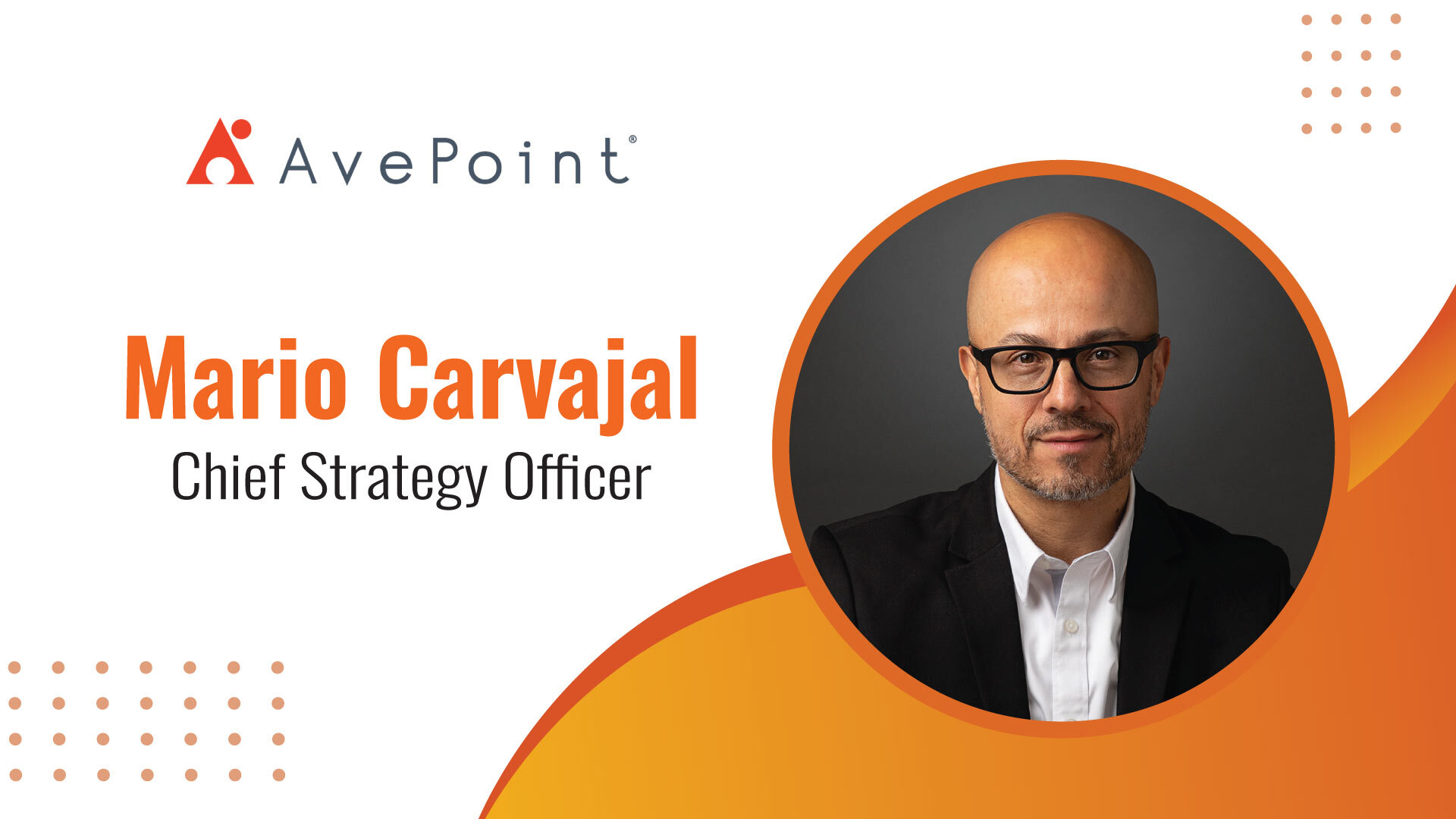
MarTech Edge Interview with Mario Carvajal, Chief Strategy Officer, AvePoint
technology 17 Oct 2023
Welcome, Mario! We are curious to know about your professional life before AvePoint. How did your experience as the CTO of AvePoint help you develop the skills and vision that you need as the Chief Strategy Officer?
To start, I’m a first-generation American, and my career journey may seem unorthodox. With an art degree in hand, I was a struggling artist for some time before a combination of hard work and luck landed me at KPMG, where I ultimately became Creative Director.
My career journey has taught me that you should expect the unexpected, always be adaptable, and never be afraid to explore new avenues and learn new skills. Prior to joining AvePoint, I spent a decade in leadership roles as a programmer and systems integrator. My ability to remain curious opened pathways to learn a lot of skills across project management, design, sales, and leadership that allowed me to thrive initially.
My previous role as Chief Technology Officer at AvePoint provided me with a wide range of benefits and insights that contributed to my growth and development. Aligning strategies with overall business goals, leading innovation initiatives, and gaining a deep understanding of complex technology challenges and opportunities have provided part of the foundation I rely on today in my current role as Chief Strategy Officer. I now have a deeper understanding of the intersection of technology and business. This also allows me to present the vision to investors, to companies we are interested in acquiring, and to strategic partners and customers. Ultimately, my executive path has been all about believing in myself, being scrappy and hustling, and taking risks.
What key features and benefits of the AvePoint Confidence Platform enable organizations to optimize and secure their digital workplace? And how do the latest updates to the platform enhance its existing capabilities and performance?
AvePoint’s Confidence Platform powers digital workplace enablement at every stage of the digital transformation journey, including data transformation, workforce enablement, and cloud adoption. The Confidence Platform gives customers better insights into each of their workspaces, users, guests, and repositories so organizations can modernize, protect, and control their cloud environment.
The newest Confidence Platform updates build on these existing capabilities to help customers further modernize data with enhanced migration capabilities, upskill workforces with advanced reporting capabilities for educators and administrators, and measure transformation efforts with more robust analytics capabilities. We are also implementing AI and machine learning technologies to help customers achieve business value by swiftly detecting and guarding against ransomware attacks, ensuring policy enforcement for how information is accessed, and improving the lifecycle of information through strong data governance — and we intend to continue using this technology to improve our offerings.
How do you approach strategic planning in a dynamic and uncertain environment, such as during economic downturns or global crises? Can you share some examples of how you have successfully adapted the company’s strategy to cope with such challenges?
Organizations must always expect the unexpected — and be prepared to pivot quickly as market conditions continue to shift. Business leaders should not be afraid to reinvent the strategy playbook depending on economic downturns or global crises. For example, today, we’re focused on profitable growth, which means ensuring efficient sales processes, reducing unnecessary spending, and optimizing data storage costs. There are several underlying strategies that underpin this focus. We employ scenario planning methods to help us envision different go-to-market motions and assess their potential impacts on the business. We also apply the concept of the Blue Ocean strategy to help us identify new market spaces with little to no competition. By creating uncontested market segments, we can achieve high growth and innovation.
Another example (although this is not unique to us) was the COVID-19 pandemic, which drastically changed our strategic outlook and process. I was navigating the process of AvePoint’s IPO during this time, and we needed to pivot to working remotely basically overnight. This sudden change in workflows certainly altered our strategic planning — and reminded my team that you must always remain adaptable and communicative.
How does AvePoint use AI/ML to enhance its SaaS management solutions for modern digital workplaces and complex collaboration scenarios?
In today’s digital-powered workplace, securely utilizing AI is now key to powering productivity and streamlining insights and workflows. As any effective AI solution runs on high-quality data input — a top-notch proprietary data management strategy is needed to unlock true business value from the use of AI. AvePoint’s platform answers this call, working with customers for over 20 years on modernizing, controlling, and applying resilience to their data management practices — establishing the strong foundation needed for compelling AI solutions. AvePoint’s AI capabilities have already helped customers achieve business value by swiftly detecting ransomware attacks, ensuring policy enforcement for how information is accessed, and improving the life cycle of the information through strong data governance — and this is only the beginning. Seeing the potential that AI has to transform data insights and the workplace, AvePoint will continue to advance our AI capabilities to offer customers the most automated data management platform to optimize SaaS operations.
How do you approach mergers & acquisitions and strategic partnerships as part of AvePoint’s growth strategy?
When it comes to both partnerships and M&A, our strategy has always been to align with organizations that will expand our platform capabilities, help address customer needs, and expand into new geographical markets. For example, in the category of complementary technology, AvePoint acquired tyGraph in 2022 — a Canada-based provider of workplace analytics solutions — allowing our customers to discover critical workplace communication insights and make more informed decisions about their business. We have been able to integrate new features and functionalities into our platform as a result of this acquisition.
We also acquired Essential Co. Ltd. last year — a South Korea-based software solutions provider, that has allowed us to expand further into APAC. AvePoint will continue to work with global organizations that share our dedication to driving digital transformation and providing the most data-driven solutions for our customers.
Can you discuss any recent accomplishments regarding AvePoint’s strategic goals in which you played a decisive role?
As AI enables our customers to unlock advanced insights and power digital transformation, I’ve continuously guided AvePoint in growing our platform capabilities to become more AI/ML-enabled. We must deliver solutions that improve decision-making based on accurate and timely information. As customers will continue to seek more advanced and fully automated data management solutions in the coming years, I will continue to lead AvePoint in advancing our platform’s AI capabilities to deliver the most effective way to manage and govern data — with future plans to reveal new AI-driven platform enhancements that make data insights, recommendations, and protection more accessible. These initiatives are underpinned by a strategy to have a well-orchestrated data layer that enables a deeper understanding of business users and their preferences. This will lead to personalized experiences and improved customer satisfaction in using our products.
We just had our #shifthappens Conference in Washington, DC. It was great to gather in an in-person format, where our team and other industry leaders discussed experiences, strategies, and best practices that define digital workplace transformation.
What essential advice would you offer upcoming leaders in developing robust people skills necessary for succeeding in the evolving business landscape?
In today’s business environment, remaining agile and communicative is key. We’re still navigating an unpredictable macroeconomic environment, and with emerging technologies rapidly transforming the way we work and live, you should model the growth mindset for your teams. It essentially means as organizations continue to invest in new workplace technologies and advance digital transformation, business leaders must prioritize continuous education and upskilling opportunities — equipping employees with the technology skills and confidence needed to boost productivity and stay adaptable.
Business leaders must also be able to communicate effectively with employees, take feedback into account, and put the controls in place to create a successful and dynamic work environment. To retain top talent, hands-on and attentive team leadership is now a key skill for business leaders to possess.
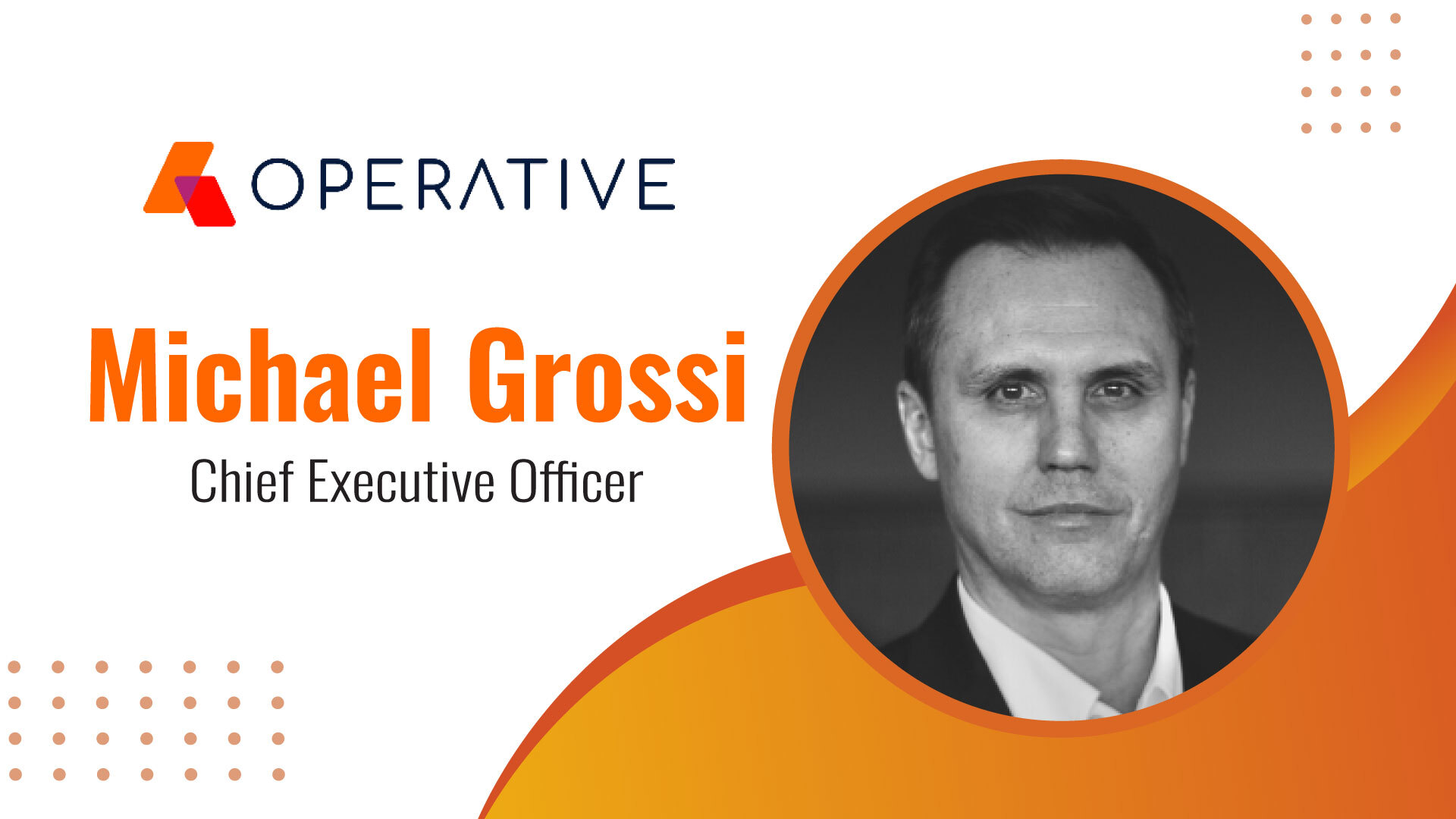
MarTech Edge Interview with Michael Grossi, Chief Executive Officer, Operative
advertising 10 Oct 2023
Hey, Michael! It’s impressive that you’ve spent three decades in the telecom, media, and tech (TMT) sectors. Could you share your experiences and accomplishments from your time in this field?
My early career was in TMT strategy consulting, focusing heavily on telecom, specifically mobile, a booming technology on the heels of the dot com build-up. I helped leading companies like AT&T, Sprint, and Disney develop transformational growth strategies. Upon making Partner at Adventis, I joined Helio to help launch and commercialize many industry-first mobile products, including Google Maps, BuddyBeacon, YouTube, and MySpace Mobile. This was an exciting time as mobile and digital were converging, and new business models were being established.
The space grew very quickly, and I saw first-hand how to lead through high growth in complex situations. I led various functions like Sales, Marketing, IR, Strategy, Business Development, and Product. Since then, I have served as a CEO and Board Member for a number of technology companies. Many of the companies I have led were eventually acquired, which has given me great experience in reading the market and understanding how to differentiate in a competitive field. My experience has also shown that the most successful companies are ones that are laser-focused on providing highly innovative solutions that provide a differentiated customer experience.
You started your career as a Captain in the US Air Force. That’s amazing! How did your military experience shape your leadership and strategy skills in the civilian sector?
The military has many similarities to the business world but with more structure and, of course, a more urgent need to successfully accomplish the mission. Every detail matters, and doing your very best isn’t just about you but about your team and your larger mission.
My experience gave me a deep appreciation for teamwork and capable leadership. I also have seen the value of strong execution, helping teams accomplish goals faster and more successfully. I also deeply understand the need to have a strong financial foundation with a focus on profitability. In technology sectors, you need to take calculated risks, where you may succeed or fail. The key is to fail fast, learn from it, and improve next time.
How does Operative help media companies and publishers boost revenue by moving away from the old ratings-based approach to a results-driven, outcome-based strategy?
For years, media companies have been dealing with a combination of disconnected approaches. Many advertisers still use TV ratings to buy linear ad inventory. At the same time, digital, CTV, and FAST channels have introduced more outcome-based measurement opportunities. This divergence led Operative to introduce an order management system that unifies sales, inventory, and operations into a single platform. This dramatically streamlines complexity for media companies and allows them to get a holistic view of their work with a specific advertiser or agency across all media channels.
Now, brands are looking to go a step further. They want to buy using new outcome currencies across a publisher’s product catalog. And they need always-on access to the metrics, with normalized data, to more easily track attribution and outcomes. Having a unified platform makes this possible.
Operative is also built to work with media companies no matter what stage they are in. AOS is the first cloud-based revenue management system that works with a media company’s current technology, so companies don’t have to rip out old technology if they aren’t ready. They can choose to take a phased, modular approach, tackling their specific problem areas sequentially.
Can you share some insights into how you’ve tweaked the company’s business strategies and what tangible results these changes have brought about?
Operative has a number of solutions for media companies around the world. We provide software for linear, digital, and multi-channel media companies — large and small — and have over $60B of advertising flowing through our systems. However, I’ve focused the company on the future and our key growth opportunities, which are digital and streaming services. Operative AOS is cloud native and built to be open, providing the flexibility and scale that media companies need to process the enormous amount of data that digital channels throw off. At the same time, we have many industry-leading digital products like OperativeOne that power the order management systems for the largest streaming service providers like Hulu, Disney+, and Warner Brothers Discovery. We have products like STAQ that provide critical benchmarking data on ad buying trends. These products will continue to be an important part of our strategy.
Looking ahead, we are curious about your take on the upcoming trends and opportunities in media operations. How does Operative plan to seize these opportunities and stay ahead of the curve?
I am excited to share that we’ve recently announced a partnership with DanAds, creating the first cloud-based self-service workflow for publishers. Together with DanAds, we empower publishers to give their buyers direct access to their inventory directly in their order management system.
I believe this is a major part of the future, as more media buyers are asking for control and transparency over their media buying. The beauty of our offering is that publishers can give brands what they want while still maximizing their own yield.
Could you outline your future objectives and strategies for Operative?
Operative sits at the center of a media company’s revenue operation, and with that, we play a vital role in their growth and success. Our objective is to continue to deliver solutions that make it easier and more profitable for media companies to sell advertising. We’re expanding our cloud-based offering — for example, AOS now works for FAST. And we’re partnering with more companies across the industry to ensure that integrations are never a barrier to entry for our clients.
You’ve had your fair share of experience as a C-Suite executive across various brands. From your perspective, what do you believe are the key qualities that make someone a successful business leader?
Every leader has their own approach, and many styles have been proven successful. However, in my experience, there are some common factors. First, a successful leader assembles a great team. I know that the people on my team are experts in their field and have proven success that directly translates to the work we are doing at Operative.
I like to focus on a few critical goals rather than running around fighting fires. Prioritization and focus help speed up growth and help with problem-solving and innovation. I also practice clear communication. Having a strong vision and communicating that vision helps keep everyone working toward a common goal.
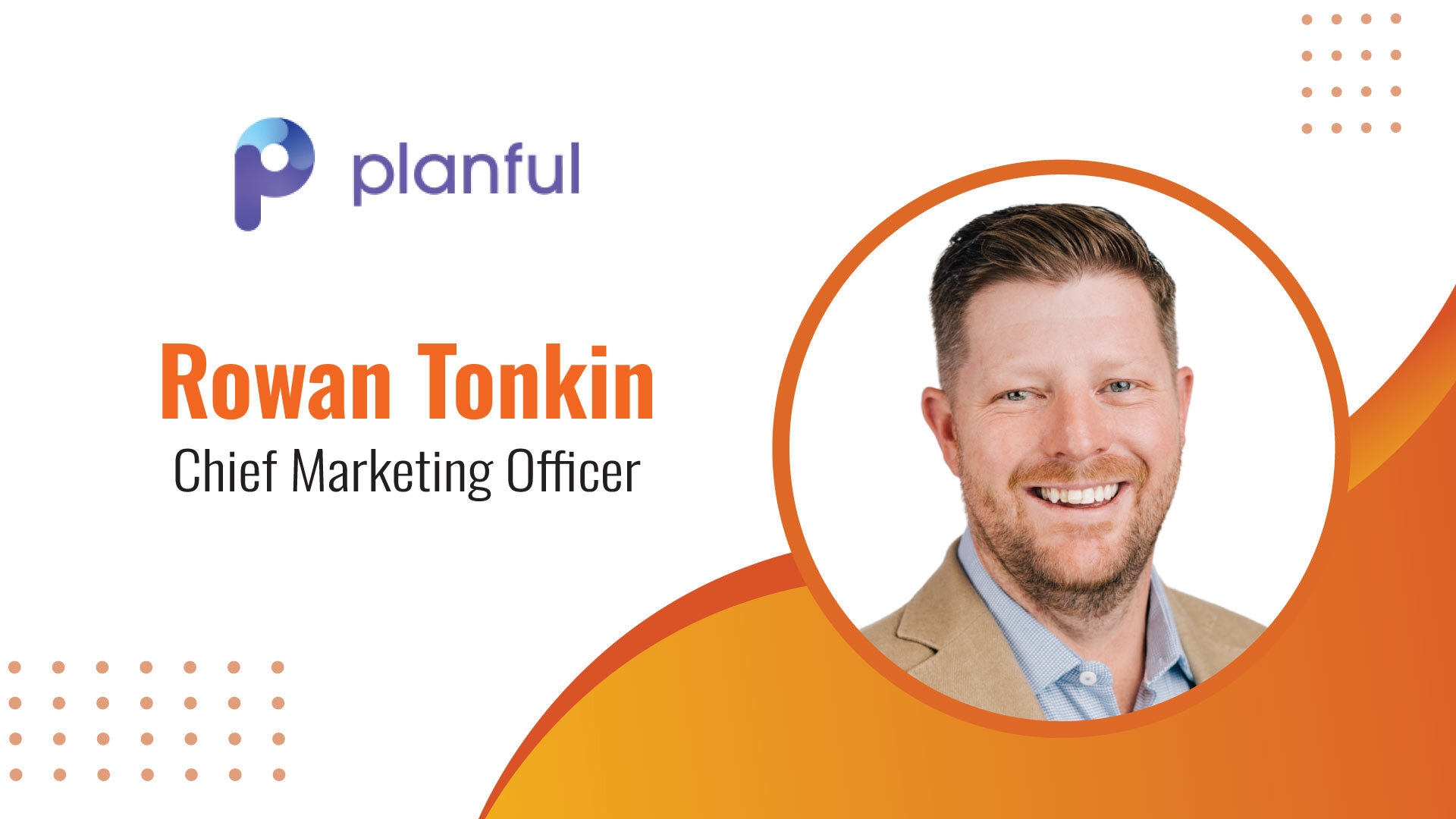
MarTech Edge Interview with Rowan Tonkin, Chief Marketing Officer, Planful
technology 3 Oct 2023
Welcome, Rowan! Tell us about your background. How did you get into Marketing, and what was your path to Chief Marketing Officer like?
My marketing journey started from a rather unconventional point. I began my career working for a marketing technology company in customer support after completing my degree in computer science. I started helping out the professional services team in the background with their implementations, and as I got more involved in ensuring customer success and understanding their pain points, I moved into a customer-facing role, participating in professional services calls and managing implementation projects.
My experience working directly with customers sparked my interest in showcasing the value of our platform, leading me into a role in presales. I spent almost 10 years in presales, occasionally dabbling in sales and customer success roles throughout. This combination of roles focused on post-sale and presales activities helped me gain valuable experience working directly with customers and solving their current and future needs.
After years of talking with marketers as my customers, I joined a product marketing team tasked with launching a new marketing application. While my background had been deeply rooted in marketing concepts and practices, this was my first official role as a “marketer.”
During my time in product marketing, my accumulated knowledge gained working directly with customers and prospects helped us to successfully launch the new product. Over the next four years, I continued to expand my responsibilities within the wider marketing organization, taking on roles related to demand generation and serving as an evangelist for our products.
I finally moved on from that company and assumed leadership of the operations, design, and creative team at another startup, and later took on revenue operations there as well, effectively running all the shared services of the team. Again, these varied experiences dealing with customers from different perspectives gave me a well-rounded view of how marketing, sales, product, and other roles all need to align to make a company successful.
Ultimately, and, I believe, helped by my experiences across various roles supporting go-to-market strategy, I was appointed as Chief Marketing Officer (CMO) at Planful. This role marked the culmination of my journey across customer support, presales, and product marketing, a combination of experiences that helped prepare me to be an effective leader of our company’s marketing efforts.
How does your vast experience in revenue operations help you better grasp the dynamics of marketing and business, leading to positive outcomes?
My background includes roles across customer success, sales, and marketing teams. This exposure has given me valuable insights into the unique challenges and perspectives of each of these departments, and understanding their intricacies and dependencies allows me to see the bigger picture and recognize how they are interconnected within an organization.
Revenue operations requires me to understand the expectations and objectives of all of these stakeholders and be able to sift through the data and operational drivers that direct their activities. If we can effectively align marketing strategies with what drives revenue, we can positively influence the commercial outcomes of the company, namely revenue but also profitability and growth.
Revenue operations also plays a crucial role in streamlining processes between marketing, sales, and customer success teams. It’s perceived as a technology-driven function, but it takes a collaborative approach to eliminate friction between the teams and make it easier to execute marketing campaigns and initiatives efficiently. Whether it’s running a customer marketing campaign, identifying target markets, or optimizing existing campaigns, teams need to be on a shared data platform that accelerates communication, improves collaboration, and aligns execution while reducing operational obstacles. Revenue operations is an important role and is really an unsung hero of business success.
As you learn how revenue operations impact commercial success, you start to get a better appreciation for how other critical success metrics, such as loyalty and retention, can make or break commercial success. When you can connect it all together, again on a shared data platform, it empowers you to be more effective with your marketing investments because you’re aligning marketing efforts where they matter most. When you can do that, you’re going to see better and more positive outcomes in commercial and financial terms.
How is the Marketing department helping Planful stay competitive in today’s market?
We take pride in how the Marketing department at Planful plays a crucial role in helping the company stay competitive. Here’s what we do that makes us stand out:
Continuous Evolution of Brand and Vision: We know the market is constantly changing, and Marketing leads the company to stay ahead of that change. This involves the obvious aspects of actively listening to our customers and prospects and monitoring industry trends to understand the future needs of our core buyers. But we’re also pulling in competitive, analyst, influencer, and other insights and working with our products and development teams to understand what’s possible and where we need to be next quarter, next year, and several years down the road. Marketing then defines and refines how we’re going to get there.
Messaging and Storytelling: Once we know where we’re going, Marketing builds messaging narratives and highlights customer success stories to demonstrate how Planful delivers value to customers. Our humanized, relatable storytelling approach emphasizes how Planful helps our customers – the companies, yes, but also the people doing the work – stay agile, resilient, and adaptable to whatever challenges they might face in the future. Saving time during the monthly close process saves a company money, for sure, but it also helps finance and accounting teams get home in time for dinner or attend their kid’s soccer game. It’s a combination of those personal and professional aspects that really make a difference to our customers.
Collaboration with the Product Team: Marketing collaborates closely with our product team to identify emerging trends that require us to invest in new products or enhance existing capabilities. This collaboration ensures that Planful’s product offerings align with market demands, our customers are getting the most value possible from the platform, and our product roadmap supports our short- and long-term visions for the brand.
Alignment with Our Customers: Every company says their customers are the top priority, but at Planful, it’s a key part of our culture. “We put our customers first” is the first phrase of our number-one company value. We put a lot of effort and time into actively listening to our customers and hearing what they want from these solutions. Marketing ensures that the company’s messages and product offerings are aligned with these needs but also that we’re delivering them in reality. It’s not just a marketing message; what we hear from customers enhances our competitiveness.
What everyday steps do you take to stay ahead of the emerging market trends and technologies to ensure your marketing initiatives remain innovative and competitive?
Technologies and trends move fast these days, and I use a variety of methods to stay current with what’s happening.
Actively participating in marketing communities helps me stay ahead of emerging trends. I am an active member of various marketing communities, such as The Next CMO, CMO Coffee Talks, and Exit Five. While I may not always post, I consistently engage by reading, observing, and consuming content within these communities. This helps me stay informed on the latest trends and emerging technologies in the field.
I also host our Being Planful podcast, where I interview finance, accounting, marketing, and business leaders & influencers to understand how the market is changing and how those changes impact their strategies. It really is a great forum where I get to learn as much as our listeners.
Utilizing LinkedIn is another way to stay in the know. LinkedIn is a significant platform for networking and staying up-to-speed on industry developments. I actively use it to connect with other professionals, share insights, and follow thought leaders in marketing and related fields.
Never underestimate the power of your personal network, too. Those friends and colleagues you gain along the way are the CMOs and business leaders of today and tomorrow. It’s critical to nurture that network, no matter where you see your career going. I maintain an ongoing dialogue with my peers, particularly other CMOs, to exchange ideas and discuss what strategies and tactics are working for them. It’s a two-way conversation that provides valuable insights into emerging trends and technologies.
A point of advice I’d give is to go beyond surface-level trend-spotting by analyzing the intention behind marketing strategies. I want to understand why certain tactics are effective and for which specific audiences. It’s crucial to determine the underlying business goals behind trends to avoid blindly copying them. Paying attention to whether a particular trend or technology aligns with my target audience’s preferences helps me avoid applying marketing strategies that might be popular but ineffective for our audience.
How does Planful help CMOs and marketing professionals manage their budgets efficiently?
In late 2022, Planful acquired a marketing planning software company called Plannuh, which is now Planful’s marketing solution. At most companies, marketing is typically the largest discretionary budget outside of headcount, and that spend is notoriously hard to tie back to company results. As a marketer myself, I know the value of providing marketing teams with a platform that can help them make better decisions in real-time and that can facilitate better connections and conversations between CFOs and CMOs. Planful enables teams to measure marketing at every level of the plan for full visibility and team efficiency.
Alignment of Spend with Goals: Planful connects all marketing spend across various tactics to specific goals. This alignment ensures that resources are allocated effectively, eliminating waste on marketing spend that doesn’t contribute to achieving those goals.
Automation of Expense and Budget Management: Planful automates many aspects of marketing expense and budget management. This automation streamlines processes within the marketing department, saving time that would otherwise be spent on manual tasks such as accruals adjustments and amortizations in a marketing budget.
Goal-Based Budgeting: Planful’s marketing solution supports goal-based planning, allowing marketers to create budgets directly tied to their objectives. This goal-oriented approach ensures that budgets are allocated to initiatives aligned with the desired outcomes.
Outcome Tracking and Analysis: Planful enables marketers to connect their automated and goal-based budgets to measurable outcomes. This capability allows marketers to avoid uncertainty and understand what strategies and tactics are working effectively. By identifying successful initiatives, marketers can allocate more investment to those areas, ultimately leading to improved performance and the ability to outperform targets and competitors.
How does Predict, Planful’s proprietary embedded AI/ML solution, empower organizations to make better decisions?
Planful Predict empowers organizations with intelligent recommendations, which enables them to make better, faster decisions. Predict: Signals alerts users to errors, while Predict: Projections creates smarter forecasts — all using proprietary algorithms built natively into the Planful platform.
In today’s business landscape, changes occur rapidly due to various factors — geopolitical events, supply chain disruptions, and internal developments. Predict recognizes the importance of frequent course corrections and enables organizations to make smaller adjustments to their plans throughout the year rather than relying on infrequent forecasting cycles.
Planful’s Budget Manager Experience makes it easy to collect forecasts and insights from non-finance people across the organization, and that data informs the AI engine behind Predict. This efficient data-gathering process ensures that valuable input is obtained from different teams, regions, and product segments, enabling AI to deliver a more comprehensive and accurate understanding of the business’s financial performance.
Predict acts as another pair of eyes for error identification as budget managers input their data. It scans through the submissions to detect errors or anomalies in the data. This capability helps the finance team quickly identify trouble spots in forecasts and take corrective actions, doing in minutes what previously took hours.
Predict also makes it easy for the business to submit new and more frequent forecasts and updates by using AI to interpret historical data and offer baseline forecasts that match the cadence of the business. It also provides guardrails of upper and lower bounds to ensure forecasts are reasonable based on historical data. By speeding and easing forecast & budget creation, Predict allows organizations to forecast and plan more frequently and adapt & refine their strategies as needed.
By gathering insights from the entire business more frequently, executive teams gain a clearer understanding of market challenges and opportunities, and Predict uses AI to help make the entire planning process more accurate and effective. The enhanced visibility enables leaders to make informed decisions and respond rapidly to changing circumstances. Ultimately, this leads to better outcomes for the organization as a whole.
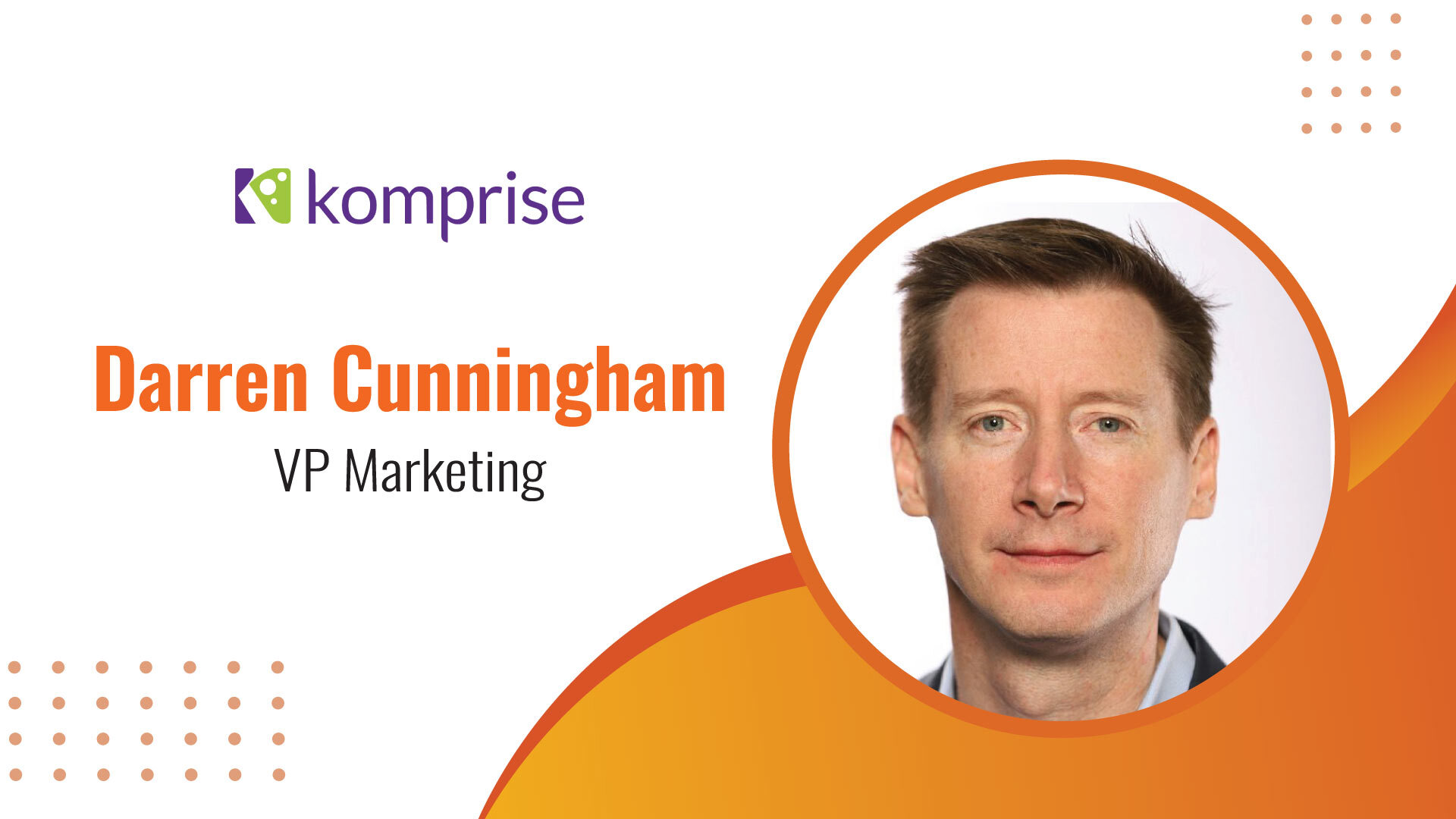
MarTech Edge Interview with Darren Cunningham, VP Marketing, Komprise
data management 28 Sep 2023
You have been a successful marketer before joining Komprise as the VP Marketing. What three key takeaways from your marketing journey still influence your current role?
1. Mentorship. I was fortunate early in my career to work in a marketing organization run by a leader who was passionate about the art and science of B2B marketing, the importance of aligning closely with sales, and the need to build strong relationships. (In fact, I would encourage other marketers to subscribe to Dave Kellogg’s blog: https://kellblog.com/). Be open to being mentored and look for ways to mentor others along the way.
2. Know where you’re best. For most, the career path is not a straight line to the top. Early in your career, there are benefits to working at a bigger company. You may have a narrower focus, but you’ll get more training and meet a lot of people. If you’re okay with less process, lower budgets, and higher risk, find a start-up that may need you to wear more hats and broaden your skillset. Don’t be afraid to try new things and move around until you’ve figured out where you do your best work and can have the most impact.
3. Network well. Very much related to points one and two, I’ve been lucky to work with a lot of great people in my career and have tried to stay in touch on the professional and personal level with many. Take the time to go for coffee, have lunch with people on other teams, participate in social events, and build real relationships.
How does Komprise Hypertransfer facilitate a seamless and swift data transfer while ensuring data quality stays intact?
Komprise Hypertransfer for Elastic Data Migration allows 25x faster cloud data migrations across high latency WAN connections compared with common industry tools. Large-scale data migrations to the cloud, especially concerning small files, can take weeks, if not months. Hypertransfer achieves these performance gains by minimizing the frequent WAN roundtrips that occur with small files, using dedicated channels to send data. The technology also leverages the capabilities of the Komprise Elastic Data Migration solution to minimize data loss and conduct automatic retries if a network connection goes down. Komprise Hypertransfer also strengthens security and defense against ransomware by not accessing cloud file storage over the network during data migrations since data transfers from source to target over private channels. So our customers get much faster migrations, with lower risk overall, and that’s a great proposition for large enterprises that want to accelerate their cloud journeys.
How do you adapt your global campaigns to the specific needs and interests of different segments of your audience?
When I worked in larger marketing organizations, there would be centralized marketing campaigns that different countries, regions, industries, or overlay teams could choose to run and customize. The model that works best is when these teams have the autonomy to make the changes they need to be relevant to their audience without changing the overall brand message. This ensures a level of consistency across segments. When you’re working at a smaller company, it’s all about regional sales and experimentation until you find the right messages that work with different segments. Smaller companies with a single product may only have one or two segments, so the challenge is ensuring that your message is spot-on for users and decision-makers and that your differentiation is clear. I’ve found that regardless of company size and stage, the key is to have open communication with frontline sales teams and transparent strategies to measure effectiveness across segments.
How does Komprise help marketers access and use their unstructured data to their full potential without relying on IT support?
Self-service data management is the hot trend these days, as IT is overburdened with high-priority cloud, AI, and revenue-generating projects to support the larger organization. Ensuring that data owners can see their files and understand their data usage, always easily access their data even after it has been migrated to new storage or archived, and use data easily in the cloud are priorities of our company. Komprise allows IT to grant read-only access to departmental users so that they can search for files, tag data for research purposes, and identify data that should be moved to a new location (such as a cloud data lake) or deleted altogether to save money and space. Komprise ensures that IT has full control so that business users don’t have the ability to execute actions that could inadvertently delete the wrong data or move data to a non-compliant location. User input allows IT to set up automated workflows for data management to save time and meet departmental needs.
What pivotal shifts did you bring about that led to elevated brand awareness, better leads, and increased revenue for Komprise?
When you join any company, you first need to assess what’s working and what’s not and how the team is functioning. At Komprise, we already had some great customers and a fully developed product when I joined. We had strong alliance partnerships with major tech vendors in place. The new CRO, whom I had worked with at a previous company, was in the midst of making changes to the sales, channel, and outbound business development teams. My background is in product marketing, so the first thing we worked on was to ensure our sales team had a clear value proposition. Tightening this up (with lots of cross-team collaboration) led to a messaging framework that we applied to our website and campaigns. It was clear early on that it wasn’t just the company that needed more awareness but the problem we were solving: the cost and complexity of managing massive unstructured data growth and the growing need to harness this data for new business value. We brought on a communications leader, whom I had also worked with in the past, who could help us tell that story and drive the creation of the category of unstructured data management. Focusing on the problem and clarifying our differentiated approach to helping customers address has been essential to our success.
How is Komprise working on the next big thing in data management, and what kind of breakthroughs can we expect from it?
It’s a fascinating time in this growing market. Three trends are really driving innovation in unstructured data management and are a focus of the company today and moving forward:
1. AI is powered by unstructured data, so finding ways to harness your growing volumes of data and feed only the right data to AI engines and new analytics initiatives is essential.
2. Empowering departmental users to access and manage their data with the required level of enterprise IT governance saves valuable time for IT while ensuring that teams can move fast and get what they need when they need it.
3. Hybrid cloud and edge computing are changing how data is stored and managed. Unstructured data management solutions need to work effectively across silos and deliver great user experiences, better cost economics, and the means to generate new value from hidden and underutilized data assets. Komprise is a fundamentally new approach for managing data in today’s age of hybrid cloud storage.
What key marketing goals do you want to achieve for Komprise in the next two years that would take the company to a whole new level?
Of course, we always have to hit our pipeline goals. As we build out our sales teams and scale out, we need to ensure we have the right strategies in place to ensure they can hit their numbers. This will take a combination of hiring at the right time and expanding our product line to address new use cases as the category of unstructured data management matures. On that point, it would be great to see more industry analysts recognize the category and develop magic quadrants and waves to help customers understand the different solutions available, and it would be great to see Komprise way out in front. We have specific goals around customer adoption and measurable impact. I’d love to see a Komprise global user conference, regional user groups, and other community initiatives where our customers are able to share their results and be at the forefront of our marketing strategy. I’ve always admired companies like Salesforce that do an excellent job of marketing the art of the possible and establishing forums for their customers to network and share.
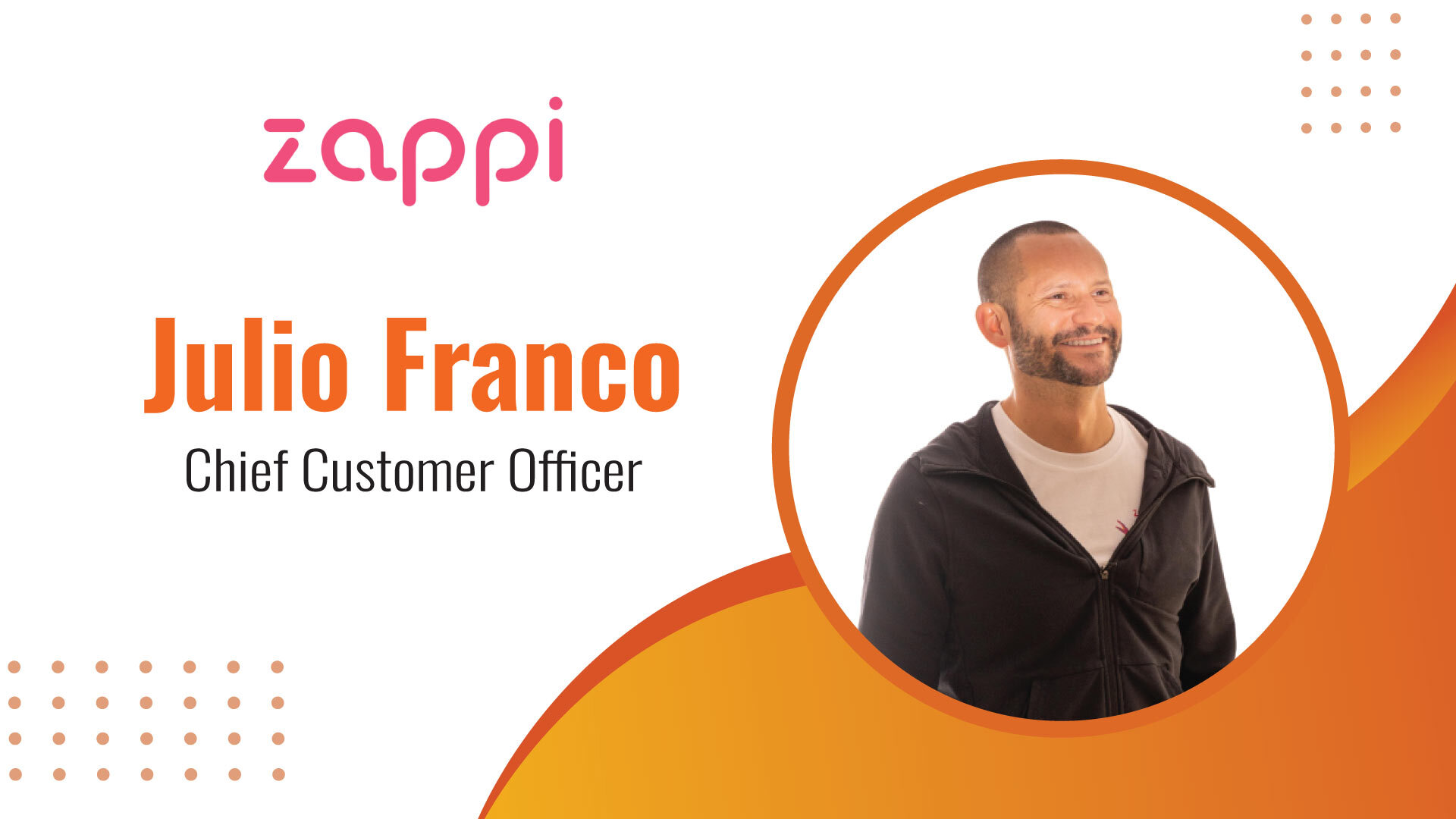
MarTech Edge Interview with Julio Franco, Chief Customer Officer, Zappi
insights 26 Sep 2023
Welcome, Julio! Tell us about the challenges you faced during the early stages of your career that played a pivotal role in shaping your journey to becoming the Chief Customer Officer at Zappi.
Thank you for having me! I grew up a second-generation researcher with my father, who founded a leading research firm in Colombia, so you could say that I’m a consumer insights lifer. I started my career during school breaks, taking on tasks like transcribing focus groups and conducting interviews – and my passion took off from there.
After I finished school, I joined my father’s firm as a junior insights analyst. I don’t shy away from saying that the most defining challenge of the early days in my career was to demonstrate – to myself and anyone else – that my success was my own and not a product of my last name. That gave me the drive to work harder than anyone else to become not just good but excellent at the job.
In the years since, the foundations I learned doing the job and my work ethic have been a major influence on my growth; I became a VP at a major research firm and built my own insights practice for a major corporation.
My first interaction with Zappi was when I was on the corporate side, and when I saw the agility it delivered through its innovative approach to research and the possibilities it would open up, I was sold. I joined the team in 2016 and currently lead the customer organization, helping researchers at over 300 global brands build best-in-class research divisions and teams.
As the Chief Customer Officer, which essential business divisions do you oversee, and what specific metrics do you employ to gauge the performance of each of these divisions?
In my role, I oversee all customer-facing teams to make sure our customers successfully adopt the Zappi platform and have the right skills, processes, and expertise to get the most business impact out of it. These divisions include Implementation, Customer Success, Customer Expertise, Fulfillment and Customer Support.
Our success is measured by how our customers grow and drive value for their own businesses using Zappi. We maintain partnerships with our customers, guiding them toward their objectives and helping to advance their skill sets along the way; we are successful when our customers are. Zappi’s difference is our dual expertise in both technology and research, so we help them move faster and better. Net Revenue Retention (NRR) stands as a pivotal metric, showcasing customer growth and their evolving ability to utilize our technology effectively for business enhancement.
How do Zappi’s AI-powered consumer insights enable brands to fashion more targeted ads and better products?
Simply put, we give them on-demand access to what their consumers think about their new advertising and product ideas. We help enterprises bring the voice of their customer into their creative processes so they can use real feedback and data to improve their ideas and put successful products on the shelves and effective communications on the airwaves.
In the short term, this fast insight helps brands go to market with confidence, knowing consumers have validated their ad and product decisions. Long term, we see brands use this agile research to create a feedback loop that learns from every new data point, so teams aren’t just answering immediate questions on single campaigns; they’re improving their work with every new idea.
Zappi was founded in 2012 as the first agile market research company. Where most research firms are service-led, we use machine learning to ensure high-quality data is delivered and then to model data into really digestible, predictive outputs. The result is that we’ve streamlined the research process from weeks to just hours, so research fits into the creative processes for brands in an iterative way.
Can you highlight some of the most effective strategies you implemented that significantly improved the customer experience at Zappi?
Absolutely. Our journey toward improving the customer experience at Zappi has been a mix of successes and failures, both of which have been instrumental in shaping our strategy. What we’ve found is that there is no one-size-fits-all approach. We take influences from SaaS models with a product-led growth mindset and an easy-to-use platform, but we know that sometimes researchers need expertise, so we combine that with in-house research experts to consult with customers to solve hard problems.
Among our key insights, we’ve recognized that a top-down approach is valuable, but true success is cultivated from the bottom up. One of our most effective tactics has been investing heavily in onboarding so that beyond simply implementing and tailoring the platform for customers, we focus on helping them foster an agile mindset across people, products, and processes.
We’ve emphasized that agility in insights isn’t just about quicker fieldwork but about a clear organizational understanding of when and how to address business questions. Ultimately, we help customers achieve their goals and truly understand the capabilities of their data assets.
Could you describe your typical approach for evaluating an application to streamline sales processes?
We are an organization in growth mode, so we’re always on the lookout for innovative ways to enhance efficiency and help our remote team work seamlessly across all facets of our business. At the same time, we know that shiny objects can be distracting. Unless a sales application provides clear value and an implementation path, it’s very easy to drag productivity rather than increase it.
Our approach involves piloting potential solutions through clearly defined experiments, complete with a set timeline, success criteria, and a designated owner and core team. Similar to how we encourage our customers to evaluate us, we base our decisions on these results.
Customer retention is a clear driver of revenue growth; how do you employ upselling and cross-selling tactics to drive customer retention and ensure that customers continue to choose your brand?
Absolutely. History has shown us that our current customers are our largest engine for growth, whether they’re using us more in current lines of business, bringing us on to improve operations in other lines of business, or championing our partnership with their peers. To foster and amplify these partnerships, we have a clear philosophy we call V-HAG: Value, Health, Advocacy, and Growth.
This starts with the value our platform brings to the customer. But this isn’t a one-size-fits-all measure. It begins with understanding how our customer measures success so we can build an experience that meets their needs. Then, it’s continuously monitoring their usage and our relationship to maintain a healthy dynamic. Our focus on health naturally leads to advocacy. We actively seek and amplify advocacy moments, which span from testimonials and case studies to facilitated connections and referrals.
All of these efforts together translate to growth. We’ve developed comprehensive playbooks across the V-HAG pillars, empowering every team member to enact strategies irrespective of the customer or scenario. Through this dedication, we’re dedicated to ensuring our customers not only choose us but continue to thrive with us.
What innovative technology is Zappi currently developing that has the potential to usher in a new era in consumer intelligence?
This is where I get really excited. Historically, market research has been point and click; identify a new product or solution and survey consumers to understand its impact. It’s short-term and focused mostly on risk mitigation.
At Zappi, we want to deliver connected learnings and solutions to push the industry toward consumer insights fit for the current and long-term business environment. We were the first agile research platform, using machine learning and AI to produce survey results 10x faster than market research service firms, with better quality and at a fraction of the cost. There was a saying in research that when it came to quality, speed, and cost, you could only have two of the three; we proved everyone wrong! Not only that, but through our platform, we’re able to harmonize data so customers can analyze data sets across campaigns, markets, and executions within minutes. So, customers have market-wide learnings on demand.
Our tailored solutions, like Amplify (advertising) and Activate It (product development), help answer the short-term questions researchers have around validation and risk. But they go one step further to help teams optimize and predict in-market success and compare new projects to historical trends so they can get better with every new idea.
In the future, we’re creating new solutions to empower brands to harness historical data to predict market trends based on consumer input. It’s an exciting time to work in insights, and I’m excited to help make Zappi a catalyst for positive change.
Page 44 of 48
Most Recent
How AI Is Reshaping Ecommerce Discovery, SEO and Marketing Attribution
Interview Of : Daniel Reid

How AI-Powered Clienteling Helps Retailers Turn Holiday Shoppers Into Loyal Customers
Interview Of : Leigh Sevin
Why Human Judgment Still Matters in AI-Powered Biopharma Marketing
Interview Of : Lauren Boyer

Why Continuous Customer Feedback Matters to Marketers
Interview Of : Katie Miserany
Why Clean Data Is Critical to AI-Ready Sales Operations
Interview Of : Heather Rinke

AI-Driven Fraud Is Reshaping Security in Private Markets, Says 6lock CEO
Interview Of : Todd Sorrel