Interview
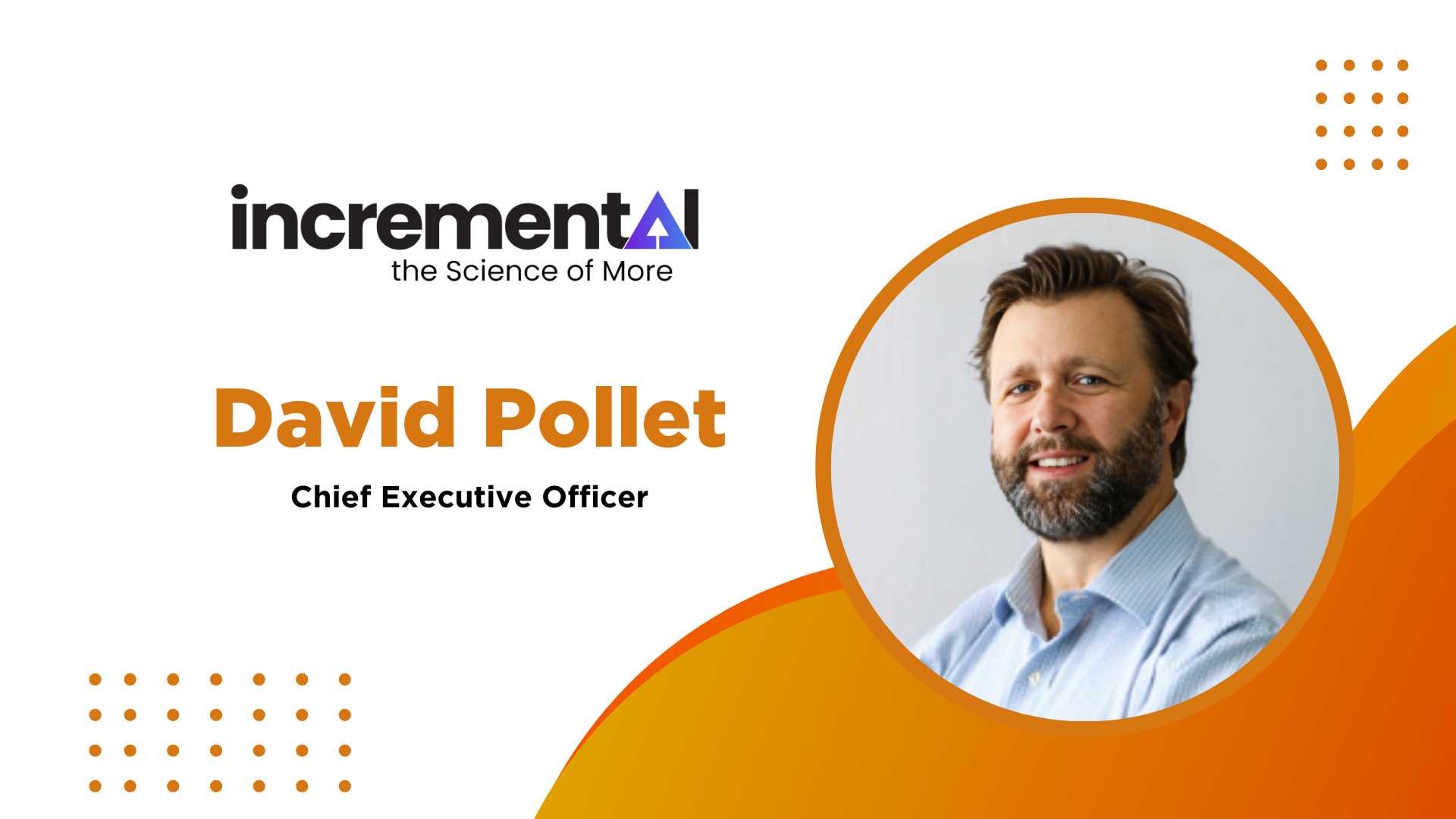
MarTech Edge Interview with David Pollet, Chief Executive Officer, Incremental
technology 13 Feb 2024
Hi David, thank you for this opportunity. You have an impressive background leading both startups and public companies. What motivated you to take on the CEO role at Incremental, and what excites you most about the company's future?
Thank you for having me. Retail media is at such an interesting inflection point right now. It crossed $50B in advertising spend in the US and well beyond that globally and it did so in record time. It took search 14 years to scale from $1B to $30B in spend, it took social 11 years, and retail media did it in 5. But with the rapid growth has come a whole set of challenges. The most obvious one to me was measuring the impact of all the advertising spend and that is what brought me to Incremental.
There was a clear gap in the market, for specialized measurement that understood the dual nature of this form of advertising as both a retail tool and a media form and more important was neutral. Nearly all retail media’s performance is being measured by those selling it or those platforms which facilitate their purchase, there were not any neutral measurement platforms.
This is a pattern that has played out numerous times in the history of digital advertising. Measurement is initially done by the publishers and then as the market hits a critical threshold, the demands for transparency and centralized measurement become essential to the category’s growth. Inevitably there is a need for neutral measurement partners. Filling that gap is what excited me about joining Incremental.
What key lessons and experiences from your past marketing roles do you adapt and apply your approach in leading Incremental's strategy and vision?
My professional background is a mosaic of wins and losses. I have lived through the dotcom bubble burst, and worked across the startup ecosystem, experiencing a few incredible exits and also closing the door on ideas that I thought would change the world.
Over the past fifteen years, I have delved into the applications of artificial intelligence (AI) and machine learning to help marketers understand how to make smarter decisions at the increasing speed of commerce. I have worked with companies on the cutting edge of this technology and have the pleasure of working with some of those same faces as a part of the Incremental team. My prior experience in the field has helped me to anticipate the patterns we’ve seen play out before in the growth cycles of new forms of advertising and ensure that Incremental has a finger on that pulse as retail media continues to grow.
Can you give us an overview of Incremental's measurement & predictive analytics platform? How does it help brands optimize their marketing campaigns and drive incremental growth?
Incremental’s platform at its core, provides centralized measurement, optimization, and planning for your retail media investments. By isolating the impact of retail media on revenue growth from all the other controllable (non-retail media, promotions, pricing, etc.) and non-controllable factors (seasonality, competition, etc.) the platform is able to not just an develop an understanding of how your retail media drives sales but the ability to simulate those actions before you make them.
The planning portion of the tool, enables you to simulate different investment scenarios across retail media networks to see what the impact would be on your business. Conversely you can also give it a revenue growth goal and have it back into what level of investment is required across the retail media network to achieve that goal. At its core, it brings a lot more precision into the forecasting and budgeting process.
Optimization is about deploying that budget to reach your sales goal as efficiently as possible. Last-touch attribution hides the true success of retail media campaigns, which means you may not be spending dollars where it really counts. Incremental controls for external factors, showcases each campaign’s incremental impact, and recommends ways to shift campaign budgets between campaigns to maximize sales growth. The recommendations engine is retail aware, considering factors like keyword volume, inventory and others in its budget recommendations. At the end of the day it allows you generate greater returns from your campaigns by optimizing for incremental sales.
The last piece is measurement and reporting. The retail media landscape is completely fragmented, with each retail media network providing its own measurement with different methodology makes them entirely incomparable. Our application of a single methodology across all your retail media investments give you a consistent lens and a single place to view performance.
Incremental also offers a suite of commerce analytic tools designed to assemble disparate sources of retail factors and provide a single view of cross-channel performance. This data encapsulates a brand’s inventory, finance, merchandising and retail metrics and users can drill into these key categories to unearth new insights and opportunities for growth.
Incremental focuses on driving true incrementality across channels. Can you explain how it helps brands leverage cross-channel data to boost marketing ROI?
To measure retail media you need a platform which is cross channel - able to take in both marketing and retail signals across the ecosystem whether that Amazon or an omni-channel retailer like Walmart or even your own DTC website. Incremental’s system was built to automate the collection, cleansing and mapping of that data into a centralized view. To provide retail aware measurement requires it. You need a system which doesn’t just understand you investment levels across the retail media networks and even your non-retail media investments in Google, Meta, TikTok, etc. but the dynamics of the marketplaces. Which of you SKUs are on promotion, what is the avg selling price relative to competitors, what are keyword volumes, and how do those tie back to individual products.
Our platform makes sense of that network of interconnected levers to untangle what is causing revenue growth in order to provide accurate and grounded predictions for active campaigns in real-time. This allows marketers to understand what is actually driving revenue growth and make informed decisions to improve the ROI of their campaigns based on it.
What are some common obstacles brands face while adopting incrementality measurement? How does Incremental's unified approach serve as the perfect Solution?
Brands and agencies currently have two choices when it comes to retail media measurement, neither of which are ideal. They can rely on the retail media networks to measure the performance of the media they already have a vested interest in. Each retail network using its own methodology which results in fragmentation and often leads to an inability to connect investment with performance.
Alternatively, they can attempt to use the existing tools in their measurement toolkit, such as marketing mix modeling, which is still very effective for macro level marketing measurement but Isn’t granular and retail aware, which leads to disconnect in recommendations.
Similarly, many marketers want to straddle the line between using old metrics, such as return on ad spend (ROAS), and new ones, such as incrementality. While redetermining performance metrics is easier said than done, the brands that take the time to align themselves internally and define incremental growth as the measurement of advertising performance ultimately set themselves up for success.
Reliable revenue forecasting is critical but challenging. What is your approach to optimizing sales processes and forecasts?
Early on for a start up you need to balance structure with flexibility, especially as you dial in your market fit. You need a sales motion which is structured enough that your forecasts you can tweak it and experiment to dial in messaging, and process but flexible enough to allow for the experimentation you need early on to find that fit. As you scale that balancing act can skew back towards more structure to give you tighter control on forecasting.
The Martech landscape is expanding rapidly. Looking ahead, what role do yousee Incremental playing in the future of the industry? How do you see Incrementalunifying things and contributing to convergence rather than further fragmentation?
As retail media continues to grow and evolve, unifying measurement and providing transparency into performance will dominate industry conversations, highlighting the need for a neutral third-party. We believe that neutral measurement can lift all boats, bringing transparency and confidence into this growing industry.
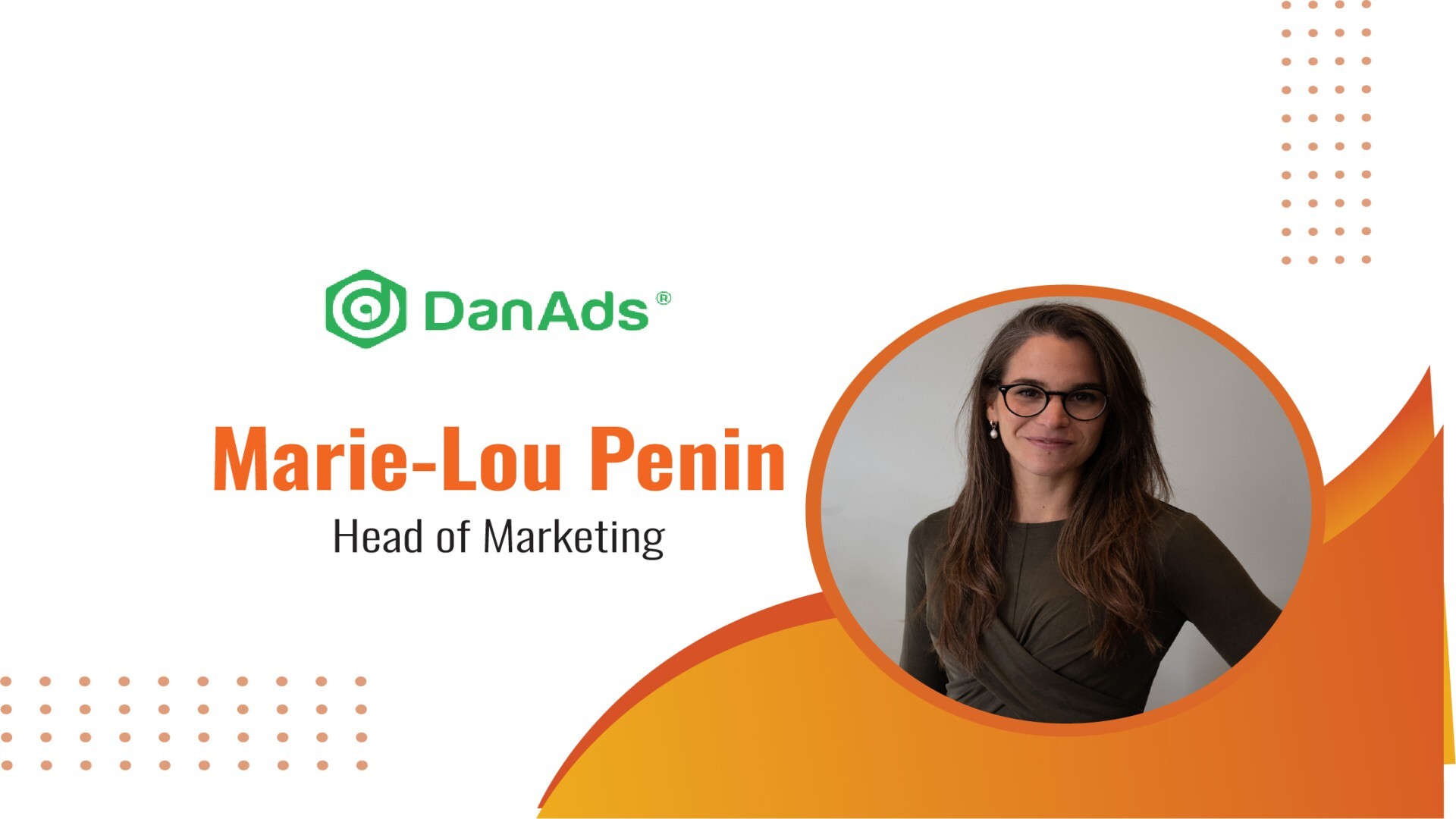
MarTech Edge Interview with Marie-Lou Penin, Head of Marketing, DanAds
advertising 23 Jan 2024
Hello, Marie-Lou! Walk us through the milestones in your marketing career and how you arrived at the position of Head of Marketing at DanAds.
Before joining DanAds, my career was a global adventure in marketing, spanning various sectors like entertainment and technology and countries including France, the UK, and the UAE. This international exposure honed my ability to craft data-driven marketing campaigns that resonate across diverse cultural landscapes. My journey at DanAds began as a Marketing Activation Manager three years ago. Within this role, I leveraged my global experience to bring fresh perspectives, leading to significant growth and the expansion of our marketing strategies. A year ago, I was offered the role of Head of Marketing, a testament to my contributions and strategic vision for the company.
This past year, we’ve achieved remarkable milestones, such as hosting the world’s second Self-Serve Summit in New York, featuring giants like Disney, Paramount, TripAdvisor, and Google. Our recognition in Deloitte’s Sweden Technology Fast 50, winning the Product of the Year Award at NAB Show 2023, and also celebrating DanAds' 10th anniversary is proof of our growing ambitions and success.
How does DanAds’ self-serve ad technology function and enable publishers to take full control of their ad ecosystem?
DanAds’ self-serve ad technology functions as a powerful enabler for both advertisers and publishers, transforming the traditional advertising landscape. This technology allows advertisers to directly engage with trusted publishers at scale, streamlining the advertising process through automation. For traditional publishers, it represents a path to future-proof their advertising business.
By automating their ad operations, they can maintain existing revenue streams while increasing their margins. This is especially crucial for new types of publishers who possess substantial first-party data but lack scalable methods to capitalize on it. In domains like retail media, which are witnessing significant growth, our self-serve advertising solutions unlock new revenue potentials by efficiently utilizing this data.
Automation is at the core of what DanAds does. How does leveraging automation catapult the ad capabilities in terms of production, management, and revenue?
At the core of DanAds is automation, which elevates the capabilities of ad production, management, and revenue generation. Leveraging automation means publishers can manage their ad business more efficiently, reducing the time and resources spent on manual ad operations. This leads to faster ad production and deployment, allowing publishers to respond quickly to market changes and client needs. Also, automation leads to the scalability of products that enhance targeting and personalization capabilities. Leading to more effective campaigns and increased advertiser satisfaction.
In terms of revenue, automation also enables publishers to optimize and scale their internal workflow. Ensuring both publisher and advertiser get the most out of their ad spend. This efficiency not only boosts their revenue but also attracts a wider range of advertisers seeking streamlined, effective ad solutions.
DanAds’ automation technology empowers publishers to take full control of their ad ecosystem, transforming their operations into more profitable, responsive, scalable, and future-proof entities.
Could you share your go-to inbound marketing approach, and how do you implement tailored strategies to cater to different pain points in a buying group, driving them toward the funnel?
In our inbound marketing approach, we focus on understanding the distinct pain points of each buying group member. This involves creating detailed buyer personas and tailoring content to meet their specific needs. We leverage various channels to ensure our message reaches the right audience and use marketing automation (Hubspot) for personalized lead nurturing.
Together with the commercial team, we regularly refine our strategies using feedback to remain effective, steering prospects on a tailored journey to the sales funnel, and establishing enduring customer relationships. It's truly a team effort.
With clients like TripAdvisor, Rogers Sports & Media, Nine, and Philips, how do you ensure that DanAds’ brand voice and messaging cater to the diverse needs of such prominent brands?
At DanAds, being client-centric means we really tune into each client's unique needs, shaping our brand voice and messaging to resonate just right with them. We stay agile, adapting to new technologies and shifts in advertiser behavior. Our approach involves market research and competitive intelligence, allowing us to tailor our offerings to suit the specific needs of these brands. We recognize that each client values different aspects of our product, from its superior quality to the comprehensive post-sale support we provide.
To meet these needs, we have developed a range of initiatives, such as hosting our annual event to foster a self-serve community and conducting private educational webinars. These are designed not only to support our clients on their self-serve and automation journey but also to position DanAds as more than just a technology provider.
How do you leverage data to inform your strategies and decision-making? Can you share an instance where data-driven insights unprecedentedly transformed the project outcomes?
Data plays a critical role in shaping our strategies and decision-making at DanAds. We rely on a data-driven approach to understand market trends, customer behaviors, and campaign performance. By analyzing this data, we can make informed decisions that align with our business objectives and customer needs.
We had this great moment when data really changed the game in a campaign we did for SMBs and SMEs on our client's platforms. The initial strategy was broad, with the primary objective being to understand what resonates with these segments in order to drive revenue. This involved creating specific products, considering the potential for differentiation (or lack thereof) in their current media sales strategies, and introducing new features and pricing to build the ideal platform for advertisers.
After analyzing engagement data, we discovered that a specific subset of these groups was responding more positively to a pilot program, including incentives and considering seasonality. We then realigned their marketing and sales strategies to focus on their most relevant segments, significantly increasing engagement and conversion rates.
Where is the self-serve ad space heading? How does DanAds plan to incorporate the evolving market requirements into its platform to sustain and advance its industry position?
The advertising space is rapidly evolving, with a growing emphasis on automation, personalization, and data-driven decision-making. As these trends continue, we anticipate a surge in demand for more sophisticated and user-friendly self-serve platforms.
At DanAds, we are committed to staying ahead of these trends. We plan to incorporate evolving market requirements into our platforms by continuously enhancing our automation capabilities, integrating advanced data analytics for better targeting and personalization, and ensuring our platforms remain intuitive and accessible.
In times of recession, we see more and more publishers making sure they keep existing ad revenues intact. So, migrating existing direct ad revenues into a self-serve solution enables them to ensure revenues are kept with higher margins due to automation. No matter the ad budget, the transactional cost of using self-serve technology is the same.
We’re also focusing on expanding our AI capabilities in our Creative Builder to help our clients and their advertisers. Our goal is to ensure that DanAds not only adapts to the changing landscape but also plays a pivotal role in shaping the future of advertising. By doing so, we aim to sustain and advance our position as a leader in the industry.
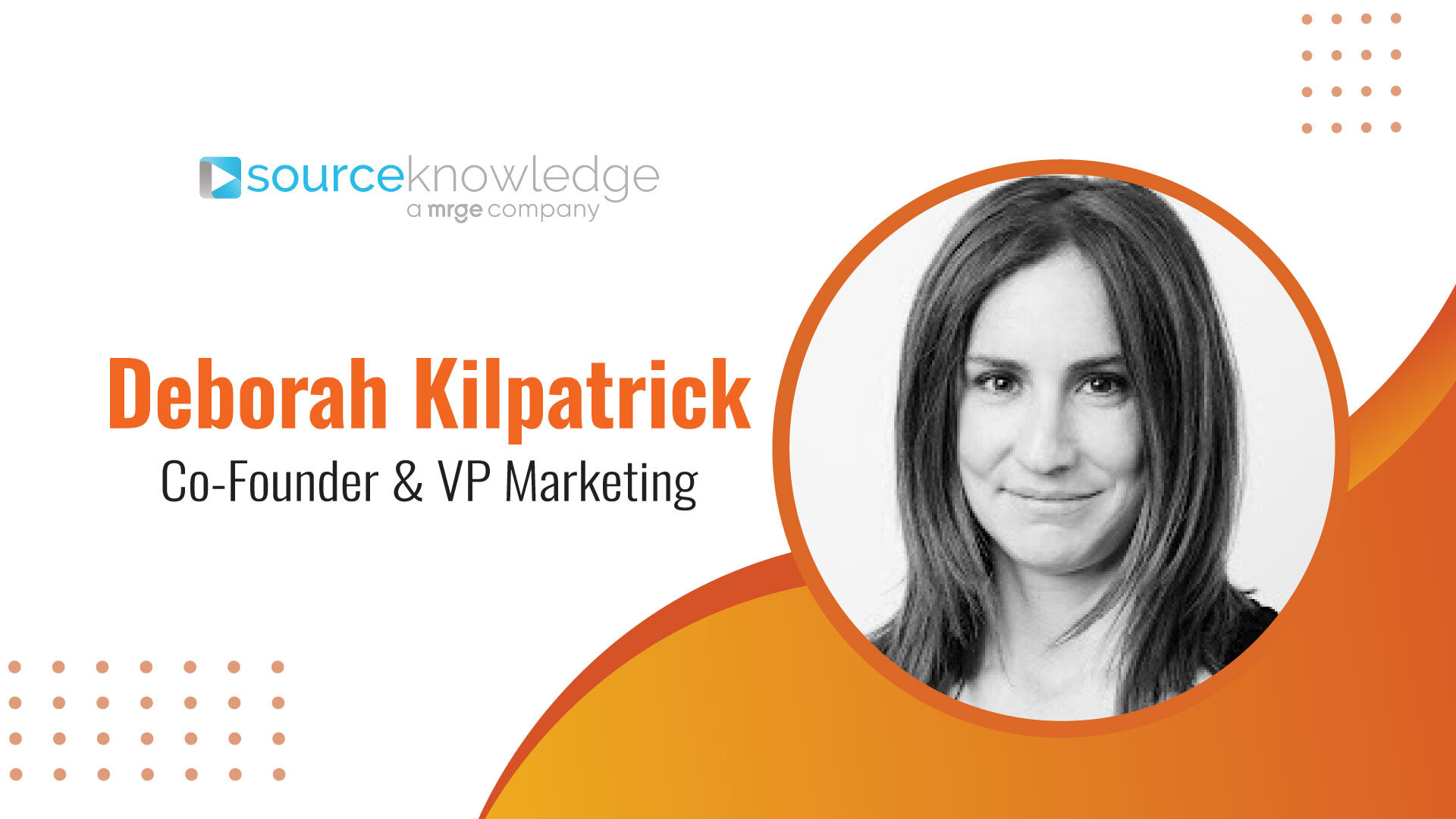
MarTech Edge Interview with Deborah Kilpatrick, Co-Founder & VP Marketing, SourceKnowledge
advertising 9 Jan 2024
Welcome, Deborah! Could you elaborate on your journey of running your own SEO & SEM consulting business, dSide Marketing? In what ways did this experience enable you to co-found SourceKnowledge?
Having started my career working at a search engine, it was a natural transition for me to take the skills I had developed there to help companies efficiently run their online marketing campaigns and create search engine-friendly websites. It was a very rewarding time for me to see tangible results for clients and get them excited about online advertising.
As the VP of Marketing since inception, how have you shaped the marketing scene at SourceKnowledge? How do your role and the company’s dynamics differ now from 2009?
SourceKnowledge is constantly adapting to meet the changing needs of the market. We are in a fast-paced industry that is always changing — from acquisitions to data laws, as well as decisions that Google makes.
A key survival factor in this landscape is to be very attentive to the shifting sands in the industry as a whole while also listening to our advertisers and publishers and continually striving to innovate with our tech to bring them the very best solutions.
My role in the company has shifted in the last 5 years from an operational marketing role to more in product development and working closely with internal stakeholders to provide solutions for managing publishers and advertisers as well as the tools we develop for them.
Could you shed light on your recent launch, SourceKnowledge Domain Targeting, and explain how this programmatic affiliate is bringing about transformative changes for advertisers and publishers?
SourceKnowledge’s programmatic affiliate solution empowers advertisers and retailers to purchase high-converting traffic and enables publishers to sell their inventory — all programmatically.
Historically, affiliate and lower-funnel traffic has only been available to be bought manually through a platform or an API. SourceKnowledge Domain Targeting programmatic affiliate solutions streamline the approach to affiliate marketing, maximizing campaign performance and efficiency.
This model allows advertisers to make programmatic buys based on their RoAS or CPA goals. The platform is designed to prioritize these goals through its SmartBidder™ Technology and will not spend beyond them.
Conversely, if a publisher’s minimum bid rate is not met, SourceKnowledge encourages publishers to set up a Fallback URL, allowing them to send their inventory to a different platform so they don’t miss an opportunity to monetize their content.
In what ways does the SmartBidder™ technology empower advertisers to acquire traffic at scale and without risks, all while aligning with their Return on Ad Spend (RoAS) and Cost Per Acquisition (CPA) objectives?
Our SmartBidder™ technology detects and rewards converting traffic in real-time, ensuring that our publishers are well compensated for their performance. This auto-optimization solution spends the advertiser’s budget based on performance. If the campaign target is not being met, the campaign automatically gets throttled so as to not spend to underperform. As a result, advertisers can acquire traffic in a risk-free way while staying in line with their KPIs.
Congratulations on SourceKnowledge’s recent recognition on the 2023 Deloitte’s Technology Fast 50™. What factors do you believe contribute to this success?
Our team at SourceKnowledge is one of the best in the industry. We are collaborative and innovative and are able to shift quickly to meet new requirements and opportunities.
With an office in Montreal and a global client base, how do you adapt your brand and communications strategy to effectively resonate with such a diverse audience?
We know exactly who our audience is for both advertisers and publishers. Advertisers who understand their attribution model and aren’t scared of the open web flourish in our platform and drive excellent RoAS. Publishers who know that they have the power to control the yield on their page and open their sites to different monetization platforms, including CPC platforms, do very well with us. We speak directly to these two groups through our marketing channels (trade shows, blogs, LinkedIn, and direct sales).
What, in your opinion, are the imminent challenges and trends in the open web digital advertising space? How is SourceKnowledge positioning itself for these approaching developments?
Data compliance is the biggest challenge on the open web. It’s not insurmountable, but it requires a clear understanding of the terms of engagement and being a responsible corporate citizen. Our recent acquisition by mrge has brought us a lot of experience with GDPR, since mrge is based in Europe.

MarTech Edge Interview with David Greenberg, Chief Marketing Officer, Conversica
technology 4 Jan 2024
Welcome, David! Your experience in marketing spans over 25 years. Give us a peek into the formative years of your career that ultimately led you to the role of CMO at Conversica.
I am passionate about both the art and science blend that marketing offers and about leveraging technologies to create significant step-changes in the business. It all began with my dad, who was also a marketeer, and I got used to listening to his business conversations, which fascinated me and fueled my interest. This exposure laid the foundation for the career I aspired to pursue. Beginning as a practitioner, I immersed myself in diverse disciplines, actively engaging in demand generation, branding, and go-to-market strategies during the early stages of my professional journey.
The position I had before joining Conversica in 2022 was as CMO at Act-On Software, where I was responsible for the overall strategy and execution of the Marketing and Product functions. Before this role, I held numerous senior executive positions across groundbreaking organizations such as Jive Software, Airship, and Liveops.
Overall, I have over 20 years of experience as a Marketing and Go-To-Market leader with deep expertise in building high-growth organizations that disrupt the 'old way' of doing things.
Can you elaborate on the impact of Conversica Revenue Digital Assistants (RDAs) and how they have empowered marketing, sales, and customer success teams to enhance their interactions with leads and customers, ultimately resulting in improved revenue outcomes?
They are empowering these teams and upscaling their tasks by increasing their funnel conversions across their respective disciplines. For example, in marketing, RDAs help marketers increase their conversion from leads to revenue, etc.
They do this by…
Conversica's RDAs were built to have meaningful, two-way, revenue-influencing conversations with customers at any time of their lifecycle. They can autonomously perform business objectives according to the use case and needs of our customers. With Generative AI powers (launched even before the ChatGPT frenzy), they can support human teams in doing time-consuming but essential tasks while freeing up time so the team can focus on strategic activities, such as building relationships and closing deals.
They are a huge game changer for companies looking to enhance their workforce and unlock revenue opportunities that would remain untouched otherwise. RDAs can contact hundreds of people simultaneously, which is impossible for a sales, marketing, or CS team to do.
Additionally, with over a decade of expertise in AI and billions of revenue-centric interactions training its RDAs in every channel, the platform has evolved and learned how to influence and persuade customers and prospects throughout their buyer lifecycle. Conversica's RDAs offer an average of 24x return on investment, 40-50% conversion rates, and 10x pipeline growth.
In the context of Conversica, could you provide your perspective on the definition of demand generation and shed light on the specific strategies you've implemented to stimulate interest and create demand for your products/services?
Demand generation often gets confused with lead generation, but it is much bigger than that. Demand generation is about implementing strategies and tactics that build interest and desire to purchase your product. It is multi-dimensional. So, I think of it holistically - awareness, leads, post-purchase.
Key strategies we've implemented:
- Thought leadership - in our context, it has been about leading key issues in AI like ethics and chatbot satisfaction.
- Targeted demand gen - focused on key verticals and "Ideal Account Profile." As a growing company, we need to focus our dollars, so really focus more energy on these.
- Retention / Customer growth - i.e., investing in our community and ensuring there is a place for them to talk and share about best practices, new products, new use cases…
Our Powerfully Human™ conversation technology engages users in a humanlike way throughout the buyer lifecycle across all communication channels. These capabilities make Conversica's AI automation solutions mission-critical to customers of all sizes. We also have been working on strong partnerships all over the world. We launched earlier this year a partner program in which partner companies can sell our products and, along with us, even develop tailored solutions for use cases. We also have been working with Salesforce and recently announced the integration of our RDAs with their Marketing Cloud. This is a game-changer now that companies that already use the Salesforce environment can enhance their marketing programs through campaigns created using Conversica's solutions.
Integrated marketing programs are essential for comprehensive marketing strategies. Could you provide an example of a successful integrated marketing campaign you devised & led at Conversica?
With Conversica's launch of next-gen chat, we launched an integrated campaign to support it. While there were many components to this, we really took an integrated approach across PR, thought leadership content, and digital lead gen. This is a summary of how we strategized about these areas:
- PR - With the introduction of ChatGPT and the increasing familiarity of the general public with Generative AI, I spearheaded an initiative to launch our Generative AI chat tool, Conversica Chat. This catapulted Conversica into the media as the first company to launch the first GPT-powered enterprise-ready chat solution.
- Thought leadership content - Pioneering the enterprise-ready chat solution powered by PT has opened doors for us to enhance our thought leadership content. We now leverage our extensive experience as trusted authorities for those seeking expertise in this space.
- Digital lead gen - Working closely with our communication, marketing, and PR teams, we not only garnered significant media coverage but also generated an array of valuable resources for our website. Consequently, we witnessed a surge in new customer acquisition, as well as existing clients eager to adopt this innovative tool.
How is the integration of Conversica's generative AI conversational platform with Salesforce Marketing Cloud significantly impacting sales conversations and what noteworthy changes or advancements have you observed as a result of this Integration?
The combination of Conversica with Marketing Automation is going to be the new powerhouse. With the combination, marketing teams can now run their funnel and control conversion much more powerfully and at scale because they can deliver a 2-way experience with leads. Instead of traditional "MQLs," Conversica delivered 'conversation qualified leads' (CQLs), which are much higher quality and convert much faster. MAP without this is only one way and relies heavily on human horsepower and intervention.
The impact our clients that use the Salesforce Marketing Cloud report to us is impressive. One of them, Leica Geosystems, part of Hexagon, has implemented an RDA for marketing and had a 300% increase in their net-new lead to qualified lead conversions and 23x ROI, with 12% of their total opportunity value influenced by their RDA. For this use case, Conversica was a winner of the 2023 Salesforce Partner Innovation Awards.
To what extent is your role at Conversica pivotal in fostering collaboration with sales teams and devising effective sales enablement strategies, and how does this contribute to the organization's overall success?
The marketing, product, and sales teams work in a tight-knit strategy, and this is crucial for our company's success. The marketing team has been laying the groundwork for sales by generating leads, building brand awareness, creating educational resources, study cases, etc.
Could you share your strategic vision and approach for propelling Conversica to even greater heights in the coming years?
Like any company that is riding a hype wave, the wave will end. I believe we are starting to see that with G AI and the hype behind Chat GPT. Having been through this with mobile and social, we are looking way behind the hype and focusing the application of these technologies on areas where our customer base feels pain in the funnel.
In fact, a recent survey that Conversica commissioned showed that 65% of companies said may have AI-powered services in place within a year. Also, the study revealed within the next year, business leaders said they intend to use AI for 'external engagement,' i.e., customer service/support and marketing/sales outreach (39%), which are the types of solutions we offer. These trends present a great opportunity for Conversica to reach even greater heights in the near future.
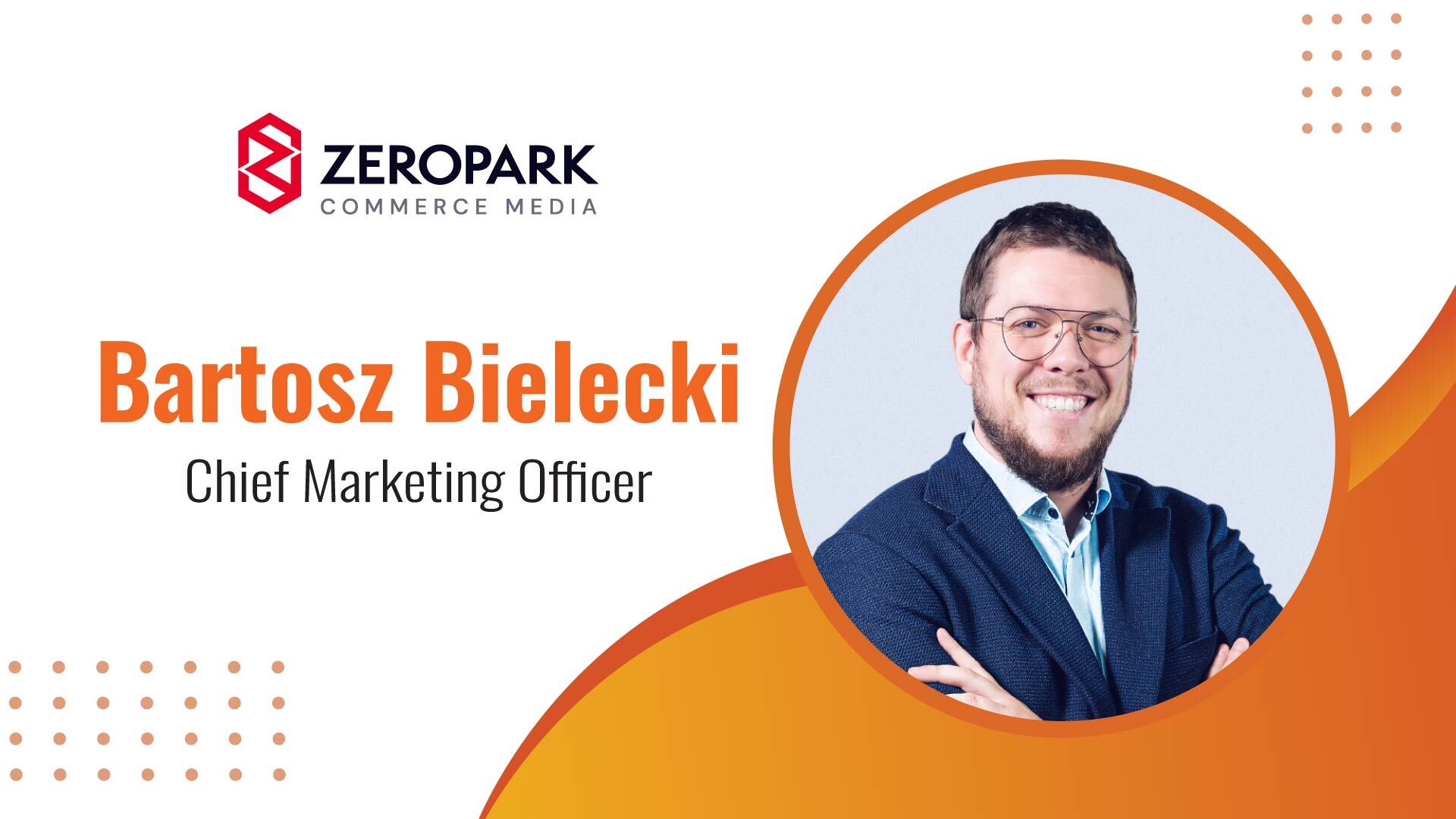
MarTech Edge Interview with Bartosz Bielecki, Chief Marketing Officer, Zeropark
advertising 2 Jan 2024
Welcome, Bartosz! You worked your way up from being a content marketer to serving as the CMO at Zeropark. Please share with us the backstory of this incredible journey.
Thank you for having me! I was hired by Commerce Media Tech (then Codewise) back in 2017 to take care of organic marketing activities for one of its key products – Zeropark. I had a background in developing content marketing at a couple of tech startups, and Zeropark had ambitions of launching a blog to drive organic audiences. Before I joined, the marketing strategy was pretty much limited to appearances at industry shows. My first month into the new job – the person who hired me and was overseeing marketing for Zeropark left the company to take on a VP of Marketing role elsewhere, putting me on the spot to lead all Zeropark marketing efforts. After successfully launching the blog, I got a chance to build my own content team and gradually step into other areas of marketing that were overlooked before. So, on top of the content team, over time, I’ve expanded the marketing team to cover more areas, like partnerships, product marketing, events, branding, lead gen, and lifecycle marketing. All those efforts supported the growth of Zeropark and our entire company, leading up to its acquisition by Team Internet Group (then CentralNic Group), a public company listed on the London Stock Exchange. Having solidified myself as an effective marketing leader, I was eventually promoted to the CMO position, which also covered some other products from the online marketing part of the group. Today, I’m in charge of marketing and business development teams for the performance marketing division at Team Internet Group.
According to you, what are the significant developments in the consumer market, and to what extent does commerce media play a key role in driving these developments?
The way consumers shop online has changed dramatically over the past few years. There are many new platforms consumers go to to look up products, for example, Buy Now Pay Later (BNPL) platforms. Google is no longer the only place to be when it comes to swaying consumers your way. People tend to look for products directly where they can buy them, finance them, or save some money on them - so marketplaces, BNPLs, or even coupon sites. With the abundance of platforms, brand experiences are much more disconnected and fragmented than they used to be. It’s posing a challenge for marketers to stay on top of their funnels and sustain a cost-effective advertising strategy. Commerce media is here to address that problem. It’s all advertising that’s strategically placed to drive new sales to brands while making it clear where in the funnel a given consumer is – from the exploration stage (search advertising), through evaluation (ads on price or product comparison sites), to purchase (retail media, ads on coupon sites or BNPLs). Commerce media enables marketers to stay relevant and catch up with consumer trends while ensuring their advertising spend remains effective, as the ads are shown where the real purchasing decisions happen.
How does Zeropark serve as an all-in-one commerce media platform for global brands, seamlessly integrating performance marketing and advertising technology?
Zeropark is a commerce media network that enables brands to drive incremental sales. We work with publishers that bring us high-intent consumers and are incremental to most brands’ traditional marketing playbook (think Google or Meta). We have direct deals with companies like Klarna or Don’tPayFull to cover the bottom of the funnel and ensure that brands working with us see conversion rates that often go beyond 3-4x of what they get with their “traditional” advertising channels. We also cooperate with publishers like Microsoft, Yahoo!, or Opera to offer their most converting ad placements to our clients.
Additionally, another product of Commerce Media Tech, Voluum, brings our clients a state-of-the-art ad tracking solution to further ensure their large ad investments are well-optimized and as cost-effective as they get.
How do you tailor marketing strategies for distinct brands such as Zeropark, NewProgrammatic, Voluum, and Adrenalads within the Commerce Media Tech portfolio?
We’ve recently decided to rebrand from Codewise to Commerce Media Tech (we’re also using this name for the entire performance division of the Team Internet Group), and there’s a reason for it. We want to unify all our brands’ strategies to double down on the commerce media market. Zeropark and NewProgrammatic (our media buying agency) were the first to get their feet wet in that market, and now we want other brands to follow. There’s still a lot to learn, pretty much for every player, as the market is still quite new.
Our marketing strategy is designed to get our business development representatives right in front of retail brands and agencies, as well as affiliate networks. Be it trade shows, inbound content marketing actions, or lead generation through partners – our goal is to sign high-value IOs with the world’s biggest brands, and this requires our day-to-day marketing to focus on sales enablement rather than driving sales on its own.
How uniquely have you spearheaded the marketing initiatives at Zeropark, contributing to its consistent acknowledgment in the FT1000 Europe’s Fastest Growing Companies?
Above all, these accolades are a result of the incredible drive and agility of all teams and Commerce Media Tech. We’re quick on our feet when it comes to making adjustments to the strategy when we see a need, and thanks to the in-house development teams, we can bring products to the market fast. Marketing’s role in that is to observe the market trends and apply strategy changes as we go. We’re testing a lot; for example, we’ve adjusted our sales pitch multiple times this year. If we fail, we fail fast, learn our lessons, and improve.
How do you plan to further solidify Zeropark’s market position in the rapidly expanding performance marketing industry in the next five years?
2023 was the first year for Zeropark, where we fully focused on commerce media. We’ve already made some adjustments in our sales strategy for 2024 based on the intel we’ve collected over this year. We’ll double down on our partnership marketing tactics to get more advertisers on board and prove our incremental value to them. We’ll continue improving the experience our publishers get, with the goal of providing the most seamless integration on the market. We’ll also start building brand awareness of Commerce Media Tech itself on the road to securing the reputation of one of the market’s key players.
Given the versatility of your roles and responsibilities, how do you consistently ensure peak performance and deliver your best across various aspects of your work?
I think there are two main aspects to be considered here:
First, delegation. It still can get overwhelming at times, but the more you develop your team leaders, the more confidently you can delegate things to them. I spent a couple of years working very closely with my direct reports to ensure some things don’t need to go through me anymore, giving me time to deliver my best where I’m needed most.
Second, constantly looking for new challenges and getting outside of my comfort zone. Early in the year, I took the opportunity to take over the Business Development and Key Account teams. Since then, I’ve been learning something new about our business almost every day, giving me new ideas to get excited about and work on.

MarTech Edge Interview with Justin Hansen, Co-Founder & COO, Media Tradecraft
advertising 20 Dec 2023
Welcome, Justin! Could you provide an overview of your journey leading to the founding of Media Tradecraft? What challenges did you encounter in the process of establishing a next-generation media services firm?
It all began when I applied for a part-time job at Intermarkets while studying for my graduate degree in the Washington area. After graduating, I was fortunate to secure a full-time position as a yield analyst. My journey continued as I transitioned my data skills into ad operations, eventually leading to my role as the director of ad operations at Intermarkets.
During this time, Erik Requidan and I noticed a significant shift in how ad management firms were interacting with publishers. We saw an opportunity to create a better solution for both larger media companies and independent publishers, so we decided to take the leap and start Media Tradecraft in 2019.
What sets Media Tradecraft apart is its unique ability to construct fully customized revenue solutions for publishers through personalized, one-on-one service — something no one else in the industry provides. These bespoke strategies and one-to-one collaborations with publisher partners drive better results and, ultimately, more revenue for them. This approach requires more attention and work, but it allows Media Tradecraft to work with some of the world’s most well-recognized media companies.
Of course, starting our own company came with its fair share of challenges. Managing explosive growth has been one of the biggest hurdles. We have to stay true to our vision and principles, which sometimes means saying ‘no’ more often than ‘yes’ to potential partnerships with publishers. We also need to constantly hire to ensure we maintain a high level of customer service.
Looking back, I see that the journey has been an incredible one, filled with both triumphs and challenges. It’s been an exciting and rewarding experience, and I’m incredibly proud of what we’ve created and the recognition we’ve received from the industry.
Media Tradecraft specializes in bespoke digital advertising and monetization services for media companies. How does the company approach crafting custom ad strategies to meet the diverse needs of its customers?
Our approach begins with taking the time to understand the unique business goals, challenges, and audience of our clients, the publishers. This is a critical step because it allows us to build ad strategies aligned with their specific needs.
We firmly believe that each website should be distinct, and therefore, a one-size-fits-all approach isn’t suitable. Our team works diligently to ensure that the strategies we create are tailored to the individual publisher, optimizing all incremental revenue opportunities and maximizing the website’s true potential.
To stay ahead in this dynamic industry, we strongly emphasize being ahead of the latest developments and innovations. This ensures that our strategies are not only custom but also at the cutting edge of the industry, empowering our clients to remain competitive and relevant in the ever-changing digital ecosystem.
Can you elaborate on your approach to operational planning and execution as the COO of Media Tradecraft? How do you ensure your initiatives align with the overall business objectives?
First and foremost, maintaining close relationships with our publishers is paramount. We make it a priority to thoroughly understand their unique goals and requirements, which allows us to tailor our work accordingly to help meet these goals. Regular communication is a cornerstone of this relationship, and we conduct biweekly calls and meetings with our publishers to keep the lines of communication open.
Additionally, as COO of Media Tradecraft, I believe that clear and consistent communication within our internal teams is crucial. To ensure that everyone is on the same page and working towards our common goals, we over-communicate with our development and operations teams. This means sharing not only the “what” but also the “why” behind our initiatives. It ensures that all team members are aligned and understand the bigger picture of what we want to deliver for our publishers.
You’ve mentioned yourself as being “obsessed with ensuring publisher success.” Could you share an example of a challenging situation you encountered while working on behalf of a publisher and how you navigated it to succeed?
In the realm of adtech, challenges are a daily occurrence because the industry evolves at such a rapid pace, with constant changes and disruptions. One particularly challenging situation that stands out was the early days of our own company, Media Tradecraft. It was an exciting time, but just a few months after our launch, the COVID-19 pandemic hit, which profoundly impacted the entire media industry, resulting in massive declines.
In the end, through our hard work and custom strategies, many of our publishers experienced record revenue years despite the market’s severe downturn and overall industry depression. We were able to create new, unique approaches that maximized the value of every user and improved revenue even when CPMs were considerably deflated.
That experience reinforced our commitment to developing strategies that can weather the storms of the ever-evolving adtech landscape, and it remains a testament to our dedication to helping our publishers thrive.
How do you and your team stay agile in adapting strategies to overcome new obstacles and capitalize on emerging opportunities?
Staying agile and adaptable in our approach to overcoming new obstacles and seizing emerging opportunities is vital to what we do at Media Tradecraft. Our ability to do this is based on several factors: our diverse portfolio of publishers, extensive industry network, and a culture of testing.
We work with a vast array of publishers across different verticals, content types, backgrounds, and business goals. This diversity helps us adapt to various challenges. By drawing from our experiences with a wide range of publishers, we’re able to create truly customized and unique strategies. This also means that the strategies we develop are versatile and can be tailored to suit the specific needs of each publisher.
Maintaining strong relationships with various stakeholders in the digital advertising ecosystem, such as DSPs, SSPs, publishers, and more, is another key element of our agility. These connections enable us to stay at the forefront of emerging changes within the industry. By leveraging our network, we quickly adapt our strategies to align with the latest industry trends and opportunities.
At Media Tradecraft, we have a strong focus on testing. This means we are not afraid to experiment with new partnerships, ideas, and strategies. By testing and evaluating these new approaches, we can quickly identify what works and what doesn’t. This culture of experimentation and data-driven decision-making allows us to be responsive to changing conditions and refine our strategies based on real-world results.
Media Tradecraft has empowered publishers to garner over $245 million in revenue. Can you provide insights into how the company’s services contribute to such substantial revenue growth for your clients’ sites?
Our approach to achieving this impressive revenue growth is rooted in a deep understanding of each individual publisher’s or media group’s goals, needs, and specific requests. We firmly believe there is no cookie-cutter solution when it comes to this work, and tailoring our strategies to the unique circumstances of each publisher is crucial.
We don’t stop at bespoke solutions. We develop creative ideas, business practices, and data infrastructures that are designed to propel our clients’ revenue to new heights. These innovative solutions help our publishers stand out in a competitive digital landscape.
Media Tradecraft has been recognized as a Programmatic Power Player and has won several awards for its ad operations and consulting. How do these accolades reflect your dedication and expertise?
These accolades reflect everyone on our team’s collective hard work and commitment. What makes these awards particularly meaningful is the fact that professionals within our industry are the ones judging, voting, and deciding on the winners. This recognition from our peers and experts in the industry underscores the high regard and respect we’ve earned through our hard work.
While these awards are certainly a source of pride for us, the most meaningful feedback comes from our publisher partners. Their continued trust in our expertise is the ultimate award.
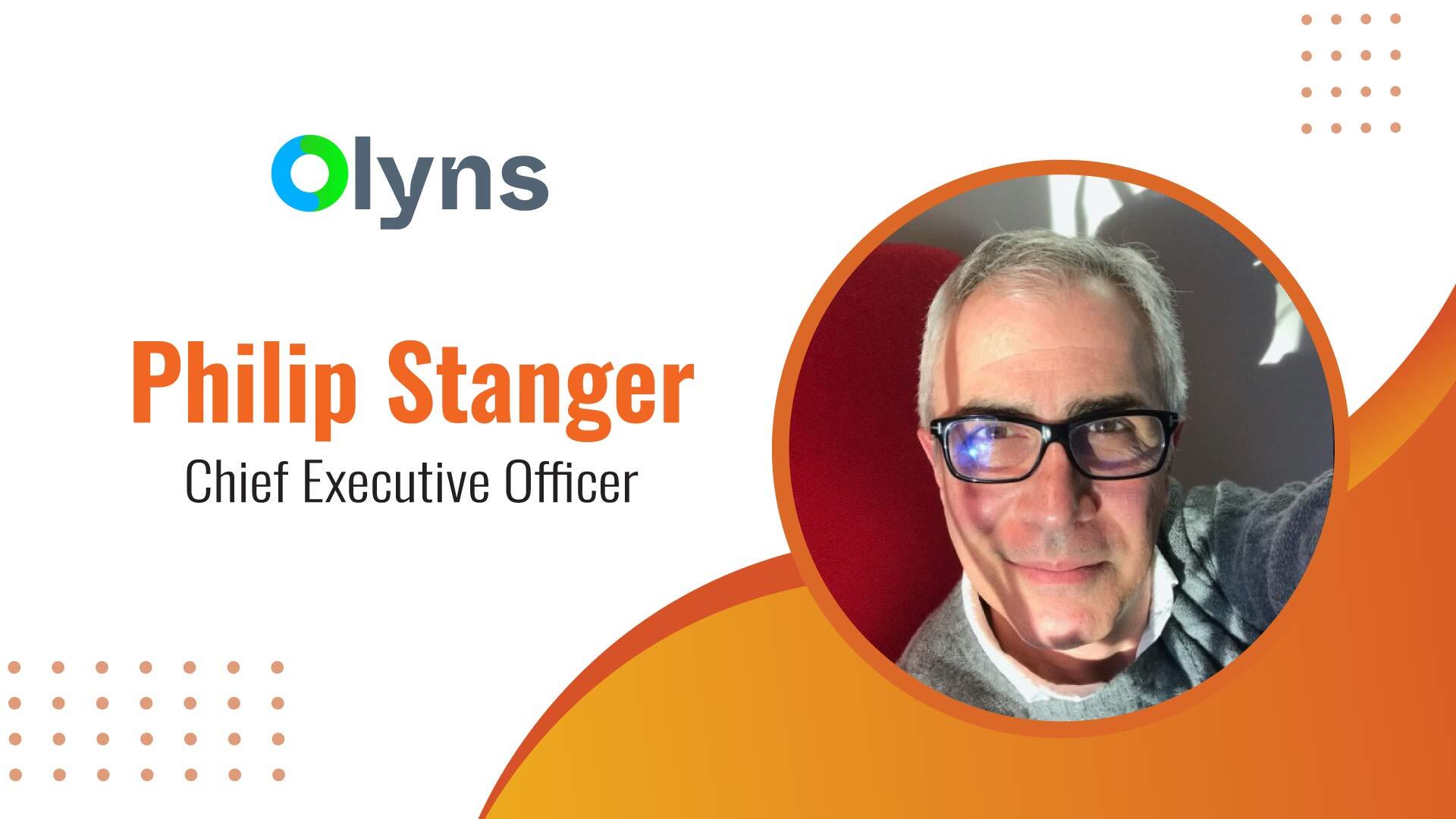
MarTech Edge Interview with Philip Stanger, Chief Executive Officer, Olyns
advertising 14 Dec 2023
Welcome, Philip!
Your background in music, with a Master of Music degree from Yale University, is quite impressive. Can you share how you transitioned from that background to your role at Apple and eventually founding Olyns?
For the first part of my life, I was a working musician performing at everything from corporate events to concert halls in European capitals. I also spent years writing music for advertising, movies, and TV series. I first started using technology to create music as an undergraduate in the ’80s. In those days, using software to make music often meant writing the software yourself. I had enrolled in a class called “Computers for Musicians,” which was a programming course on C. So, I learned how to code and loved it.
By the time I arrived at Yale, I was very much involved in the new Media Lab that started with the purchase of several NeXT computers. I worked for several semesters in the Media Lab, experimenting with using these computers to create music. After graduating, I went on to write for film and TV and won an award or two - you can still find some of my works listed in the IMDb.
I pivoted from music to technology after a visit to the National Gallery in London, where I was so impressed by my tour guide that I wondered how I could use technology to standardize and enhance that experience. That thought led to Wifarer, my first tech company, whose pioneering innovation in 2008 was using aggregate WiFi signals to locate mobile phones indoors. We were the first company to do this accurately and reliably in indoor spaces, and our tech was used to provide location-based information to guide travelers at airports, shoppers at malls, and, of course, visitors at museums.
Then Apple took an interest in Wifarer, and I soon found myself living in Cupertino, taking a lead role in the development of Apple Maps. I worked at Apple for 5 years, then moved on to start Olyns.
While at first glance, composing music and founding a tech company might seem very different, they actually have a lot in common. They both require unquenchable curiosity, creativity, and persistence, as well as an unshakable belief in one’s vision. All are critical attributes that help with navigating the roller coaster ride that is a technology start-up.
Tell us the story behind Olyns. How did you decide to make recycling fun and profitable?
The impetus for Olyns was to leave a better world for my teenage daughter and her generation. I was worried about the rapid escalation of the climate crisis, which I experienced firsthand through forest fires and floods in the Santa Cruz Mountains above Silicon Valley, where I live. When I learned that almost 90% of plastic NEVER gets recycled, I decided to try to do something about it. I set out to rethink recycling - to fix the broken system and reduce the plastic waste polluting our rivers and oceans, hurting our wildlife, and contributing to the climate crisis.
I knew the only way to increase recycling rates was to make recycling convenient, rewarding, and fun. I also knew I had to come up with a business model that would pay for this recycling service and that would be easily scaleable and financially sustainable.
So, my partner, John Buchowski, and I set to work. Utilizing John’s extraordinary technical skills, we built a recycling machine we called the Olyns Cube. Having learned the value of design at Apple, we designed the Cube to be beautiful as well as functional. It’s made of glass and stainless steel, and it’s futuristic and bold.
Aesthetically, it’s the opposite of a dirty plastic curbside recycling bin. We deliberately crafted the Cube to elevate the action of recycling to shift people’s perception of recycling, to help them see that an empty container was not a piece of trash but a vital resource that still had value and purpose.
One of the main goals I had with Olyns was to make recycling convenient for everyone. I was amazed to learn that 50% of Americans don’t have access to any sort of recycling, and for the vast remainder, access is often limited, especially in the 40 states that don’t have container deposit systems. To address this, I knew we had to design Olyns to work everywhere, not just in states with bottle bills.
I knew that our Cubes needed to be located at the entrance of places people already go, like grocery stores, drug stores, cinemas, airports, and gas stations, so that recycling could become just another part of people’s daily routine. We did a POC pilot with Safeway in the San Francisco Bay Area, which was a huge success and paved our way forward. In 18 months, our small 10-Cube pilot collected 5 million containers and was used by over 22,000 people!
I also wanted to make recycling rewarding to encourage more people to recycle. We built our software to provide a range of incentives to motivate different kinds of people: deposit refunds in bottle bill states, coupons and rebates everywhere, eco-impact metrics for the climate-conscious, and games and leaderboards for people whose jam was competition.
Finally, I wanted to make recycling fun. Over the last few years, we’ve developed custom recycling gamification for some of the biggest CPG brands, including Mars Wrigley and PepsiCo. When Mars Wrigley approached us for a creative way to encourage the recycling of candy containers, we set up the Cube like a slot machine. Every time a user deposited a candy container rather than a beverage container, we would identify it as such, and a slot machine screen would appear. The animated reels would spin, and instant cash prizes would be awarded to winning combinations. We used M&M characters for the reel, so it was a Mars Wrigley-branded experience, and we collected thousands of containers that would otherwise have ended up in incinerators or landfills.
We also developed a recycling game for PepsiCo that became the centerpiece of their Trash Talk activation at Super Bowl LVI. This was a collaboration with Canopy Brand Group and WovenMedia. Fans were given the chance to vote for either the AFC or NFC by depositing a beverage container in one of two Olyns Cubes. Each deposit would be instantly counted as a vote and, depending on the container type would trigger a different video featuring either Deion Sanders or Michael Irvin, who would either chide the user for depositing trash or praise them for depositing a recyclable container. Occasionally, a user would win a grand prize to much fanfare. Users had fun while learning about the difference between trash and recycling. We had about 150 people an hour using the Cubes at this Super Bowl and collected thousands of containers - it was a huge success.
You asked about profitability. The challenge with recycling is that while most people think it’s a good idea, no one wants to pay for it. If Olyns was going to succeed, we needed a scaleable business model to help us pay for our consumer recycling services. We came up with the idea of embedding a large video screen in each of our Cubes to display advertising, with the plan that as we scaled our recycling network, we’d also be scaling a storefront media network. This business model, together with our cutting-edge technology, has incredible potential to change the face of recycling.
What makes the Olyns Cubes different from other recycling machines? How does AI enable them to accept only clean containers and display ads?
The only similarity between Olyns Cubes and other recycling machines is that they both allow people to insert an empty container in exchange for a reward. In virtually every other way, Olyns Cubes are different.
First, Olyns uses AI at the point of deposit to identify and sort containers into one, two, or three bins. The AI can detect and reject containers that are dirty or that contain liquid, which minimizes contamination and maximizes recycling rates. So, unlike single-stream curbside programs, plastic containers deposited in our Cubes remain clean and uncontaminated. This means they can be transformed into food-grade recycled PET, which is in very short supply and highly sought after by CPG companies who are struggling to meet newly legislated minimum recycled content requirements as well as their own sustainability goals.
Olyns’ AI also identifies the brand and type of beverage container deposited. Importantly for advertisers, this allows Olyns to trigger ads based on the specific container deposited. For example, if a Kirkland water bottle were deposited, it could trigger a Dasani ad. This enables our advertisers to precisely target their ad spend to specific categories of consumers. Think Google Adwords for recycling. The deposited container data set is valuable in other ways, too, for example, to enable brands to assess the recycling rates of their own products compared to their competitors’.
Critically, our AI also enables Olyns to collect and identify ANY type of container, even those without bar codes. The AI can be trained to identify everything from empty shampoo containers to dish soap containers, hot cups, clam shells, and more. This opens up our recycling platform to a market far beyond that of conventional recycling machines, limited to beverage containers.
A final difference between Olyns and traditional recycling machines is our revenue model: each Cube is imbedded with a 55-inch high-def digital screen that runs the ads that help pay for our recycling services.
How does the partnership between Olyns and Screenverse, the DOOH platform, benefit companies by enhancing their ad engagement and supporting their sustainability efforts at the same time?
We made the decision to locate our Cubes at the front entrance of popular retailers for two reasons: First, so they would be convenient for recyclers, and second, so companies could reach their customers just before they started shopping. Research shows that 70% of consumers decide what to buy at or near the point of sale and that 92% of millennials are extremely likely to purchase products after seeing in-person OOH ads. By locating our Cubes at the front entrance of highly trafficked retailers in top DMA’s, Olyns allows brands to engage consumers when it matters most: just before they decide what to buy.
Our digital screens are imbedded in self-serve recycling machines, which means that advertisers are connected to sustainability in a truly impactful and highly visible way. Why does this matter? Because research shows that sustainability drives sales: A 2022 Stern-NYU IRI study showed that while sustainability-marketed products are only 17% of the market, they account for almost 30% of market growth, with a 5-year CAGR that is nearly 2x that of conventionally marketed products.
Brands advertising on Olyns can showcase their commitment to sustainability in a powerful way that their customers see daily. As people deposit their empty containers in the Cube, they are looking at ads on the Cube’s screen. As shoppers enter the store, they see ads on the Cube’s screen. It is a unique way for brands to associate their products with sustainability in the real world. And since sustainability drives sales, the benefit to companies is clear.
It’s important to understand that brands that advertise on Olyns quite literally pay for Olyns’ container recycling services. Their advertising dollars reduce plastic pollution, increase the supply of food-grade recycled PET, and accelerate the shift to a circular economy. Olyns provides sustainability metrics - containers recycled, carbon saved - for advertisers to quantify and share the positive impact their ad spend has on the environment. Brands advertising on Olyns show the world they are taking the lead on sustainability. This is important because surveys show that 88% of consumers want brands to help them live more sustainably.
Olyns’ partnership with Screenverse enables media buyers to easily find and purchase ads on Olyns’ media network that will engage their target audiences close to the POP and enhance their products’ sustainability credentials.
What plans do you have for Olyns going forward?
Olyns plans to continue its expansion to 1000s of Cubes in key DMA’s across the US, including LA, Atlanta, Dallas, Houston, and Austin. We have been fortunate to partner with some of the biggest brands, including PepsiCo, the Coca-Cola company, Mars Wrigley, and Safeway, and will continue to work with these and other partners to extend our storefront recycling media network across the US.
How do technological advancements play a vital role in both supporting and hindering global sustainability goals, and what can we do to navigate this challenge effectively?
By and large, technology is greatly supporting and accelerating the advent of a sustainable future. I am an optimist and am buoyed by the extraordinary changes that have come about in such short order. Everything from the astounding growth of electric cars to sustainable energy, new forms of sustainable agriculture, and, of course, AI -- all point to things changing for the better at an incredible pace.
However, the speed of this change has left some in our community feeling uncomfortable in a future that looks so different and is still so ambiguous. I worry that this may create resentments that cloud objectivity and possibly hold back progress. As they blast forward, the challenge and responsibility for the trailblazers and the innovators is to ensure that the larger community is with them and that any concerns are addressed respectfully.
Based on your experience of founding two businesses, what are the critical components of a successful business plan in the current market scenario?
The keys to success in a tech start-up are persistence, creativity, and the ability to pivot. There are a lot of uncertainties in the market these days, from destabilizing wars to challenges around economic growth.
Fortunately for Olyns, there seems to be growing support at the state and federal levels for more robust recycling and EPR legislation, both of which benefit our business. At the consumer level, research shows an increase in the percentage of Americans who think the climate crisis is real and are looking to companies and governments to help them live more sustainably. Olyns is well-positioned to benefit from new legislation and changing consumer priorities as we push forward with our mission to help reduce plastic pollution, increase the supply of high-quality r-PET, and accelerate the shift to a circular economy.
On the advertising/revenue side, there is a clear motivation for companies to align themselves with the kind of sustainability that Olyns stands for. Many companies have been accused of greenwashing, and advertising on Olyns gives companies the opportunity to support recycling in a way that is truly impactful, easily measurable, and highly visible.
The biggest challenge for Olyns will be to scale quickly enough to meet the demand for our Cubes. This will entail being on top of our manufacturing supply chain, production schedules, and logistics.
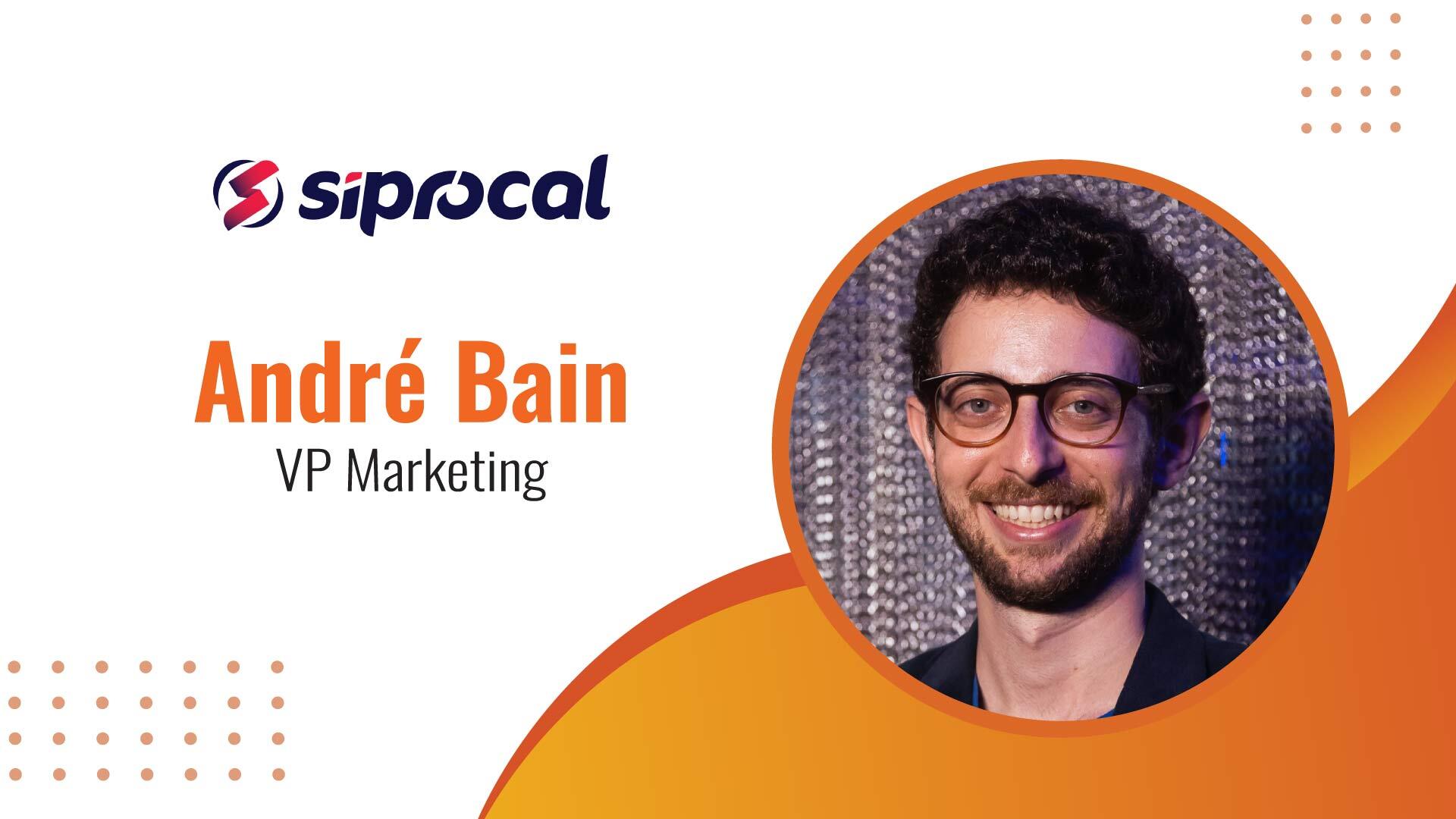
MarTech Edge Interview with André Bain, VP Marketing, Siprocal
customer engagement 12 Dec 2023
Thank you for joining us, André.
You have an impressive track record of entrepreneurship and innovation. How did you develop your entrepreneurial mindset, and what led to you becoming the VP of Marketing at Siprocal?
I’ve always been curious, which definitely fueled my passion for business and helped shape my entrepreneurial mindset. Curiosity blended with risk-taking – embracing failures and learning from them – has been part of that development. This mindset led to my early successes with Flowsense, a startup specializing in app engagement. Flowsense was later acquired by DigitalReef, which eventually joined Gamers Club to form Siprocal. Now, as the VP of Marketing at Siprocal, I’ve been able to take my passion for entrepreneurship and disruptive tech and funnel that energy into mapping a strategic marketing plan for Siprocal’s future.
(As you mentioned) You founded Flowsense, a mobile marketing automation startup, and later merged it with DigitalReef. What motivated this merger, and what key challenges and successes you encountered during this process?
The merger of Flowsense and DigitalReef was driven by a shared vision for comprehensive mobile marketing solutions. Some of the challenges we took on included offering a solution encompassing different stages of the marketing funnel while being able to serve the whole of Latin America. Later, with the merger of Column6 and Gamers Club, we also included CTV and gaming as channels and North America as a geography. That opened many doors in terms of platform solutions and user reach across the Americas. Ultimately, the synergy of our shared tech capabilities and our shared visions of full transparency and putting user privacy as goal number one has resulted in a powerhouse partnership that is using intelligent data to bring people together – we need that more than ever, right? Together, we’ve set our sights on being the world’s largest mobile app and gaming distribution platform.
How did the DigitalReef and Gamers Club merger create Siprocal, a new leader in the gaming industry? What benefits and synergies has this merger brought to DigitalReef’s business and market objectives?
The merger was a strategic leap. When we combined DigitalReef’s tech prowess with Gamers Club’s user base and expertise in the gaming world, the result was better than anything we had anticipated. It sounds funny, but we exceeded our own highest expectations. And a huge part of that is our vast and engaged audience, which we are so fortunate and grateful to have. With the streamlined operations of DigitalReef seamlessly integrated with Gamers Club’s user-centric approach, we are forming a dynamic entity uniquely positioned to deliver unparalleled gaming experiences and establish a dominant presence in the competitive gaming landscape. (I’m not sure if you and your readers can tell at this point, but we are VERY excited about the future.)
Within the dynamic and ever-evolving martech landscape, how does Siprocal intend to harness DigitalReef’s intelligent audience engagement technology to power its next-gen gaming distribution platform?
Siprocal leverages DigitalReef’s intelligent audience engagement tech by tailoring it to the app and gaming distribution. We use premier audience access and data insights to enhance user experiences, personalize content, and optimize contextual ad targeting. It’s about marrying technology with gaming passion and ensuring we remain ahead in the dynamic gaming landscape.
DigitalReef has a significant presence across the Americas. How do you handle the diverse and complex needs of your partners, such as carriers, manufacturers, publishers, and advertisers across different regions? What key principles and practices guide your partnership management strategies?
Navigating the diverse needs of partners across the Americas demands a nuanced approach. That’s a no-brainer, right? Fortunately for us, Siprocal is deeply rooted in principles of transparency and adaptability, so we can modify strategies to align with regional variances – we are a global tech platform that leverages local partnerships and solutions.
Because we understand the unique dynamics of carriers, manufacturers, publishers, and advertisers, we can prioritize open communication channels so that we’re all on the same page. Our partnership management strategy thrives on a commitment to mutual growth, where shared goals propel relationships forward. The very name Siprocal comes from building these reciprocal relationships. You grow, we grow. Simple. We actively listen to partner feedback and adapt our approach to meet evolving demands. But in the end, it’s all about nuance.
What main opportunities and challenges do you face as the VP of Marketing at Siprocal? How do you plan and execute effective marketing campaigns that reach and resonate with new audiences?
Being VP of Marketing at Siprocal is like being the conductor of a symphony where opportunities and challenges play different instruments. The thrill for me lies in orchestrating effective campaigns amidst a dynamic landscape. It’s about riding the waves of trends – going with the flow of the music – and mixing data-driven strategies while tapping into those emerging trends. My ultimate goal, my dream, is to craft campaigns that aren’t just seen but felt. I want them to resonate with our diverse audiences and not only capture attention but leave a lasting imprint on the hearts and minds of our audience.
Could you provide insights into Siprocal’s forward-looking vision regarding CTV and advertising within the martech industry? Additionally, please elaborate on how the company intends to remain at the forefront of technological advancements while consistently delivering exceptional value to its clients.
As trailblazers, we anticipate shifts in the CTV and advertising landscape, and when that happens, we want not just to keep pace but to set the standard. Our journey involves continuous research and developing new tech – always with transparency and privacy front and center. Talking about research, we sponsored this year’s CTV Latam Study by Comscore. That’s just one initiative to keep at the forefront. We’re embracing artificial intelligence and forming strategic alliances as well. We see a future where CTV and advertising converge harmoniously to provide users with an immersive, personalized experience. Remaining pioneers means not only adapting to technological advancements - we want to be the ones driving them in this ever-evolving world of martech.
Page 42 of 48
Most Recent
How AI Is Reshaping Ecommerce Discovery, SEO and Marketing Attribution
Interview Of : Daniel Reid

How AI-Powered Clienteling Helps Retailers Turn Holiday Shoppers Into Loyal Customers
Interview Of : Leigh Sevin
Why Human Judgment Still Matters in AI-Powered Biopharma Marketing
Interview Of : Lauren Boyer

Why Continuous Customer Feedback Matters to Marketers
Interview Of : Katie Miserany
Why Clean Data Is Critical to AI-Ready Sales Operations
Interview Of : Heather Rinke

AI-Driven Fraud Is Reshaping Security in Private Markets, Says 6lock CEO
Interview Of : Todd Sorrel