Interview

MarTech Edge Interview with Barry Padgett, CEO, Amperity
artificial intelligence 29 May 2024
Please tell us about your professional journey that led you to becoming the CEO of Amperity.
My journey began with a passion for innovative technology and data-driven decision-making. Before joining Amperity, I held leadership roles in various tech companies like Concur and Stripe, focusing on enhancing product capabilities and expanding global reach. In these positions, I gained a deep appreciation for the importance of data in making informed decisions, reducing risk, identifying trends, improving efficiencies and developing customer-centric strategies, among other things. These experiences paved the way for my role at Amperity, where we set new standards in customer data management.
It all started with my love for solving complex data challenges. Before joining the team at Amperity, I had the privilege of working with some amazing companies like Concur and Stripe. In those roles, I focused on making our products even better and helping the companies grow globally.
Through those experiences, I really came to understand just how critical data is in making smart decisions. I mean, when you have the right data, you can spot trends, reduce risks, boost efficiency, and create strategies that truly put the customer first. But it is only a game-changer if you are making decisions on a solid data foundation.
So, when the opportunity at Amperity came knocking, I knew it was the perfect fit. Here, we're not just unifying, managing and helping activate customer data; we're revolutionizing the way it's done for over 400 brands. It's an exciting time to be part of this team, and I can't wait to see how we continue to set new standards in the industry.
How do you think Customer Experience is changing the game in marketing? What role does data play in it?
Customer experience is transforming marketing by prioritizing personalized engagement at scale. In today’s digital landscape, the quality and accessibility of data are key to achieving this. Amperity ensures marketers have a solid data foundation, enabling them with high-quality data for precise personalization.
Amperity’s platform empowers brands to tailor experiences uniquely to each consumer by using advanced data capabilities and Generative AI. This approach allows for enhanced personalization, adapting to consumer behaviors and preferences in real time. The result is not just personalized marketing but personalization at the enterprise level, ensuring every customer interaction is impactful and relevant. By improving data quality and accessibility, Amperity helps marketers exceed the evolving expectations of their customers.
What trends will stand out in the retail industry? What role do AI and LLM play in the industry?
In the retail industry, trends like hyper-personalization, real-time customer engagement, and paid media activation are becoming increasingly prevalent due to consumers’ growing demand for customized shopping experiences that align closely with individual preferences and behaviors.
AI and large language models (LLM) are crucial for analyzing vast amounts of data and generating insights to predict consumer behavior. For instance, Amperity recently introduced AmpAi, a suite of generative AI capabilities, to add a critical intelligence layer to enable all technical and business users to get the most out of their customer data. The first two capabilities, AmpGPT and AI Assistant set a new benchmark in marketing and advertising technology. AmpGPT empowers marketers to interact with their data using natural language. Ai Assistant removes the barriers to creating SQL queries and fixing potential errors within those queries.
Can you share your perspective on how automation tools revolutionize the industry?
Automation tools are dramatically transforming industries by simplifying complex processes and delivering actionable insights within seconds. At Amperity, our automation capabilities streamline the unification and activation of customer data, freeing up marketing teams to concentrate on strategy and customer engagement rather than tedious data management tasks.
Amperity facilitates a seamless flow of insights across various platforms, such as CRMs and customer service tools. Consequently, these insights can be utilized to deliver precisely targeted messages at the right time, enhancing the effectiveness of communication strategies and improving overall customer experiences. This capability optimizes marketing efforts and scales personalized customer interactions across multiple touchpoints.
What advice would you like to impart regarding building customer relationships?
Building strong customer relationships starts with truly understanding your customers’ needs and preferences. Leveraging data effectively is critical. Ensure your data management tools, like our Lakehouse CDP, can share live data sets between a CDP and a lakehouse without maintaining ETLs or copying data in multiple places. This enables IT teams to optimize how data is stored and processed with any platform that uses a lakehouse’s open table formats to save time and lower costs. This composable, more secure flow of data ensures brands can fuel the data-intensive demands of Generative AI and 1:1 personalization with high-quality data.
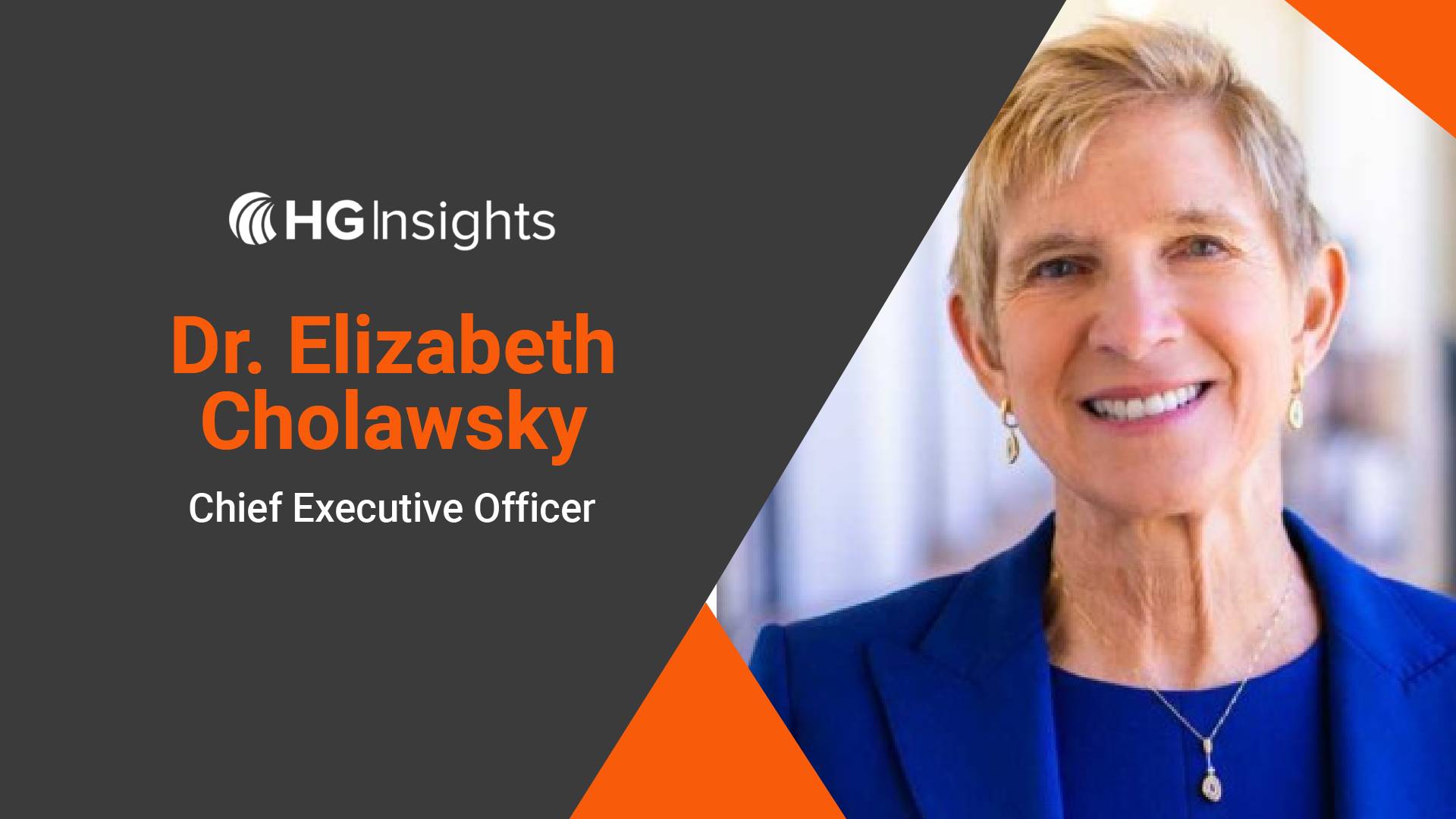
MarTech Edge Interview with Dr. Elizabeth Cholawsky, Chief Executive Officer, HG Insights
insights 25 Apr 2024
Firstly, congratulations on being presented with the ‘Executive of the Year 2023’ award. What does it take to reach this exclusive spot?
In my career, ambition and perseverance were the main drivers. My first career goal was to be the president of the US, but I was told that girls weren’t allowed to be president. So, I decided to be president of a company. My interests quickly led me to analyzing data, specifically using quantitative measures to assess social phenomena. That led me to a career in computer modeling and statistics — a skill set that did lead me to work for the government, though not how I pictured it. I was hired by the CIA as a “quantitative methodologist,” one of the only titles I’ve had I like as much as CEO. The rest is classified. But throughout my career, I have faced many challenges and setbacks. No matter what industry I was working in, what title I held, or the company I was working for, the way I got to where I am today is by pushing myself.
Winston Churchill has some of the best quotes for perseverance — for example: “Never give in — never, never, never, never, in nothing great or small, large or petty, never give in except to convictions of honor and good sense.”
HG Insights has been hailed as the authority in Technology Intelligence; what role does TI play in helping sales and marketing teams improve overall performance?
When you know your market, you can grow your market, finding the opportunities that competitors miss.
HG is the authority because we developed this space. We pioneered Technology Intelligence to give businesses a competitive advantage by telling them the technology applications their prospects are using, how much they are paying competitors for it, whether they are buying more of the application or winding down their investment, and when the licensing period is up for renewal. These insights come together to deliver Technology Intelligence and are the keys to state-of-the-art sales, marketing, and planning. However, there are still many companies yet to discover the power of Technology Intelligence. Several are still making do with technographic, but this is not enough on their own. You need Technology Intelligence to go to market with precision and confidence.
Having all this rich, granular data under the umbrella of Technology Intelligence from HG Insights enables you to make better decisions about which markets and accounts to prioritize, which products to consider developing, where to allocate your limited resources, who to partner with, how to plan your sales territories, all the way down to what messages to send to whom and when.
How do you envision generative AI revolutionizing the way businesses leverage data insights and drive innovation in their respective industries?
Generative AI will have some of the biggest effects of any emerging technology on how we use data-driven insights to be more efficient with fewer resources, something that has benefits in all industries. Here are some of the ways I envision generative AI changing the way businesses leverage data insights that I’m most excited about:
- Personalization - Generative AI can be used to create personalized campaigns and experiences for customers, marketing & sales, and recommending relevant products/solutions. This can help businesses to improve customer satisfaction and retention.
- Product development - Generative AI can be used to develop new products and services, such as by generating ideas for new products or by testing new product concepts with customers. This can help businesses to stay ahead of the competition and meet the needs of their customers.
- Operational efficiency - Generative AI can be used to improve operational efficiency, such as by automating tasks or by optimizing supply chains. This can help businesses to save money and improve their bottom line.
Increasingly our customers are requesting early detection of the introduction of AI in their individual markets — who are adopting AI products, which companies are researching AI solutions, their industries, and their geographies. This is a perfect use case for Technology Intelligence, which speaks directly to these customer inquiries by providing actionable insights to answer these timely questions.
These are use cases that HG already provides solutions for, so in some ways, generative AI will help push forward the innovations HG already brings to customers!
How does HG Insights’ Technology Intelligence assist marketers in identifying their target audience and personalizing their messaging effectively?
With the Technology Intelligence that comes from accurate, quality data, marketers can anticipate the future to predict customer needs and movements in the market and deliver personalized messaging that speaks to the customer’s needs. The fastest-growing global businesses are increasingly turning to Technology Intelligence to plan their GTM strategy, allocate resources, and maximize revenue by cross-referencing insights on technology install, IT spend, cloud consumption, contract, functional area intelligence, and intent signals. All these data points come together to deliver true Technology Intelligence, the most accurate and actionable insights available in today’s market. And with these insights, companies can make the best business decisions. To answer your question, Technology Intelligence helps marketers speak to many, many accounts and prospects by creating relevant campaigns to reach target audiences (TAM, SAM, SOM) and optimize ROI on marketing dollars spent. A great example of this is the HG LinkedIn Connector, which seamlessly integrates Technology Intelligence on your ideal accounts’ with LinkedIn, so you can build audience lists based on their tech install and IT spend, identify and target decision-makers, and get better campaign results every time. Whether it’s competitive displacement campaigns, complementary opportunities, or just reaching the right audience at the right time, Technology Intelligence assists contemporary marketers every day.
Can you share a success story or case study where HG Insights’ Technology Intelligence helped marketers achieve significant results in terms of lead generation or customer acquisition?
We let our customers do the talking for us! A global technology vendor recently told G2, “HG is not just a data provider, but with their high-quality staff, they added a level of service that is unparalleled. They helped us ideate and execute on our data-driven insights. They understand our business and our challenges, and the speed of delivery is excellent.” Another significant operator in the information technology space said, “The customer success team at HG are truly great partners helping to drive feature requests, be it more data or more functionality. I don’t find any downsides to using the HG solution.”
We’ve also delivered tremendous upside to Five9, a major Call & Contact Center As A Service (CCaaS) provider. Our Technology Intelligence drove a 25% increase in target accounts added and a 16% increase in existing opportunities’ engagement. We also gave our valued customer, commercetools, over 150% boost in best-fit accounts Identified in the Serviceable Addressable Market (SAM).
With the rapid pace of technological advancements, how do you stay updated and ensure that your Technology Intelligence is accurate and reliable?
The pace of technological progress is getting faster and faster, leaving leaders with more decisions than ever. That’s why HG’s Technology Intelligence is so important. Whether change comes in the form of new products, the pandemic, or shifts in the market or economy, leaders need to find a way to process all of this newly available information and data. Data-driven insights are how leaders navigate the rapidly changing market.
I am committed to the HG mission: to relentlessly discover and deliver Technology Intelligence innovations to improve business outcomes. Because market and economic changes come quickly, we constantly update, refresh, and refine our Technology Intelligence to address market and industry needs and ensure it’s both accurate and reliable.
What are some upcoming trends or developments in the martech industry that HG Insights is particularly excited about, and how do you envision Technology Intelligence playing a role in those trends?
I’m eager to see how the MarTech industry will evolve over the next few years, and I’m confident that Technology Intelligence will play a bigger role than ever before.
The movement toward ABM — toward creating personalized content and optimized campaigns, and enhanced account scoring and segmentation — is only possible with Technology Intelligence. In short, Technology Intelligence will become even more integral for business innovators to make the right decisions, and I’m dedicated to HG’s vision of being the definitive authority in Technology Intelligence.
With the growing emphasis on account-based marketing (ABM), how can HG Insights’ Technology Intelligence assist marketers in identifying and targeting high-value accounts effectively?
As the market moves toward embracing all aspects of ABM, account scoring, segmentation, and prioritization become ever more important. Technology Intelligence assists marketers in putting best-in-class account segmentation strategies into practice, using data-driven insights to inform segmentation decisions, and properly aligning sales resources to your highest-value accounts. Not to mention, it’s future-focused by optimizing the account segmentation strategy to scale into the next year.
I’ll take this opportunity to share how we use Technology Intelligence here in HG’s marketing motions! The combination of four data points — Firmographic, IT install, Contextual Intent, and Technology Intelligence (FIIT) — improves resource allocation, uncovers cross-selling and upselling opportunities, and increases conversions. We use FIIT scoring to better prioritize accounts, enhance productivity, and circumvent some of the shortcomings of conventional targeting, which requires marketers to continually adjust their targeting strategies to stay relevant and effective in an evolving marketplace. In contrast to conventional ABM, FIIT targeting identifies a prospect’s likelihood to buy based on a combination of data-driven factors. FIIT also helps with sales and marketing alignment by developing a unified account scoring and targeting strategy. We have seen extremely positive results when using Firmographic-Intent-Install-Technology Intelligence (FIIT) scoring model in our in-house marketing campaigns.
What challenges do you anticipate marketing professionals will face in the coming years, and how is HG Insights preparing to address those challenges with its Technology Intelligence solutions?
In today’s market, most of us are facing a similar challenge — the need to deliver the same results with fewer available resources. At the end of the day, the best marketers will still be those who are able to understand their customers and communicate their unique value propositions effectively. And it goes without saying to do so as efficiently as possible. Technology Intelligence empowers companies and business innovators with actionable insights to ensure success, and it is the most effective solution to the upcoming challenges most marketers will face in the coming years.
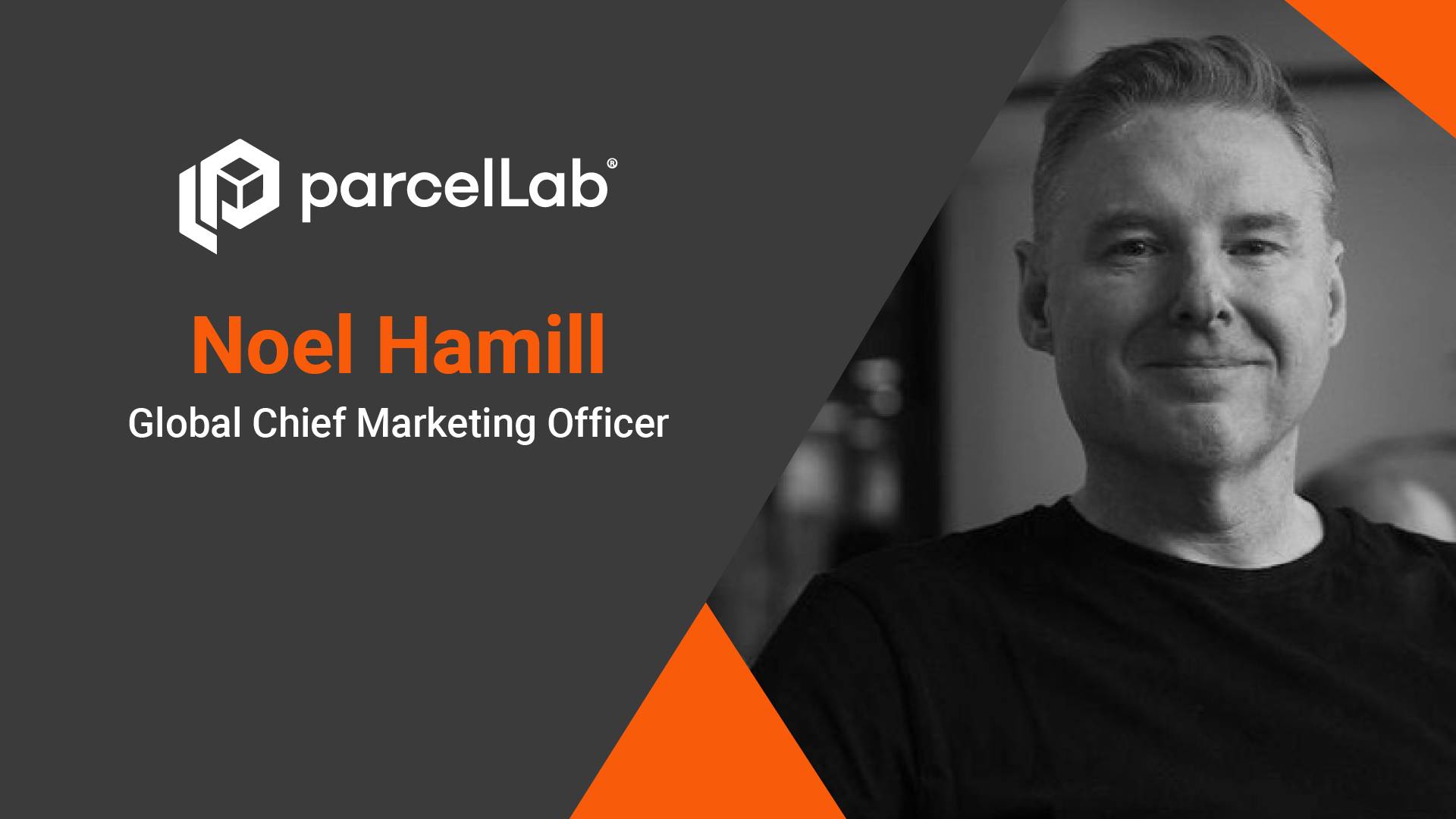
Martech Edge Interview with Noel Hamill, Global Chief Marketing Officer, parcelLab
customer experience management 25 Apr 2024
How have you utilized your professional experience in operating major consumer brands to drive growth in rapidly changing industries?
To drive growth in rapidly changing industries, it is important to understand that marketing doesn’t exist in a silo. To be successful, you need to work closely with sales, product development, partner teams, etc. to ensure that your marketing messages are aligned and that you are working towards the same goals.
Additionally, when I enter a new role, I assess what has and hasn’t worked in the past. From there, we figure out what priorities are important for growth, and I share my experience of what has worked well in my previous roles. For example, one idea I have suggested is for my team to reach out to industry influencers and partners to participate in podcasts or webinars. This is an effort that can expand your reach and get your organization’s name out to a wider audience.
Lastly, it is important to encourage your team to experiment with new ideas and approaches that haven’t been tried before. Don’t be afraid to take risks and try new things. After all, you never know what may catch your audience’s attention.
Can you explain the correlation between personalization and post-purchase experience? What advantages does this partnership have?
It is easier and cheaper to convert repeat customers than to bring in new customers. To ensure each customer has a positive post-purchase experience, retailers need to personalize their customer journeys based on the information the customer has given them. Understanding customer’s previous shopping behavior or preferences will allow brands to craft a tailored shopping experience.
For unique customer journeys, retailers should insert things like personalized product recommendations, marketing promotions, how-to videos, and loyalty program banners into tracking pages and email communications. By providing this personalized experience, retailers can decrease customer inquiries by keeping customers proactively informed and improve conversion rates since the communications are tailored to their preferences.
At parcelLab, retailers are empowered to deliver personalized communications, order status pages, and returns experiences. One example is our campaign manager product which allows retailers to easily build customer segments and create personalized, visual campaigns for any audience. It includes the ability to insert content into email notifications and order status pages, enabling retailers to boost customer lifetime value, increase conversions, and reduce “Where is my order” (WISMO) inquiries.
In what ways do you believe aligning advertising efforts with shopper intent helps CX? How do you measure the effectiveness of such alignment in driving sales and fostering long-term customer loyalty?
When organizations align advertising efforts with shopper intent, the customer experience is improved due to the ability to:
- Display ads for the products and services they are most interested in.
- Promote information customers need to progress their journey down the purchasing funnel.
- Personalize ads, messages, and recommendations that cater to individual customer needs and preferences.
There are a few ways organizations can measure the effectiveness. For driving sales, organizations can view click-through rates, conversion rates, return on ad spend, time spent on your site, and page views per session. For long term loyalty metrics, organizations should look at repeat purchase rates and customer lifetime value. By tracking these metrics, you can determine whether your advertising methods are working well or if there is room for improvement.
How do you see the evolving landscape of AI tools impacting various industries, particularly in relation to MarTech?
MarTech is being quickly transformed by AI and these tools are essential for marketers to stay on top of their game and ahead of the curve. More and more organizations are adopting AI to provide deeper customer insights, automate tasks, and improve marketing performance. In the future, these tools will continue to evolve and drive wider impact on the growth of organizations in various different industries.
What lessons would you impart for a growing retailer? Additionally, what future do you see for the e-commerce industry?
For growing retailers, there are three lessons I would keep in mind are:
- Always prioritize the customer experience: Build a seamless shopping experience across all points of the customer journey, from browsing to post-purchase to returns. Consider implementing a post-purchase provider that allows you to embed your tracking page on your own website so you can provide a consistent experience from end-to-end and ensure the provider has segmentation capabilities that allow you to personalize each customer journey.
- Embrace data-driven decisions: Leverage analytics to understand your customer base, identify trends, and optimize your marketing efforts. Make sure to track key performance indicators to measure success and make informed decisions about your product offerings, marketing strategies, and resource allocation.
- Think beyond borders: Consider what expanding your business looks like. International fulfillment has a lot of complexities, and your business will need to factor in communicating in different languages. From the post-purchase side, make sure you are partnering with a provider that can help you navigate these challenges and ensure a smooth delivery experience for global customers.
As for the future of e-commerce, it is constantly evolving with exciting trends shaping the future:
- Personalization at Scale: Consumers crave personalized experiences. E-commerce will see a rise in AI-powered personalization, offering tailored product recommendations, targeted marketing messages, and dynamic content that caters to individual customer preferences.
- The Rise of Social Commerce: Social media platforms are becoming increasingly shoppable. Expect to see even deeper integration between social media and e-commerce, allowing customers to discover products, make purchases, and receive customer service – all within their favorite social media apps.
- Sustainability Takes Center Stage: Today's consumers are environmentally conscious. E-commerce will prioritize sustainable practices like eco-friendly packaging, carbon-neutral shipping options, and transparent supply chains.
- Emerging Technologies Take Hold: Technologies like augmented reality (AR) and virtual reality (VR) will transform the online shopping experience. Imagine virtually trying on clothes or viewing furniture in your own living room before making a purchase!
By staying informed about these trends and adapting your strategy accordingly, e-commerce businesses will be positioned for long-term success. Remember, the focus on exceptional customer experience and leveraging data-driven insights remain constant, regardless of the future innovations to come.

Martech Edge Interview with Michelle Huff, Chief Marketing Officer, UserTesting
customer experience management 23 Apr 2024
Hi Michelle, please share your journey and milestones that culminated in you being the UserTesting CMO.
My journey to becoming UserTesting’s CMO has been shaped by over two decades of strategic marketing and product management experience. From my time at Act-On Software, where I led the successful launch of a new company vision which drove record growth, to my roles at Salesforce and Oracle, where I honed my skills in understanding diverse markets, enterprise value selling, and scaling businesses – every step has been a milestone. Throughout my career, I've held firm to the belief that human insights are key to building exceptional customer experiences. This belief has guided me as I've led product teams, crafted marketing campaigns, and driven go-to-market strategies. Today, as the CMO of UserTesting, I'm excited to continue this journey by strengthening our brand, driving revenue growth, and fostering deep customer engagement and loyalty—all fueled by the power of human-centered insights.
How does UserTesting differentiate itself in providing comprehensive experience research solutions compared to other platforms?
UserTesting sets itself apart in the experience research market by delivering rapid, human-centric insights that enable companies to make informed decisions pre-launch. We focus on providing an end-to-end solution that empowers businesses to understand their customers deeply and quickly. Our approach leverages the power of human insights to simulate actual customer interactions and feedback, making our data not only robust but also immediately actionable. This speed in gathering and deploying insights is critical in today’s fast-paced markets and is a cornerstone of our service.
Additionally, UserTesting is recognized as an industry leader, trusted by 75 of the Fortune 100 companies. This reputation is built on our ability to provide comprehensive solutions that cover every stage of product development—from ideation through to final launch. Our platform's strength lies in its ability to seamlessly integrate into any company’s workflow, enhancing their capability to test, iterate, and launch products that are well-tuned to meet customer demands and exceed their expectations.
What are the key benefits of leveraging human insight provided by UserTesting compared to relying solely on user behavior tracking or customer listening data?
Leveraging human insight through UserTesting offers several key advantages, particularly when used in conjunction with user behavior tracking and customer listening data. Our platform enriches traditional quantitative methods by providing a deeper understanding of user intentions, preferences, and emotions. This comprehensive approach goes beyond mere metrics to uncover the "why" behind user actions, offering rich qualitative feedback that helps businesses identify specific issues within their products, tailor offerings to user feedback, and detect emerging trends early on.
Many of our customers integrate UserTesting’s insights with traditional data sources like A/B testing, behavioral analytics, and customer data. This hybrid approach fosters a robust testing and experimentation culture within organizations, enhancing their ability to make informed decisions. By combining these methods, companies can not only validate hypotheses and optimize experiences based on real user feedback but also enhance their product design and strategy continuously.
UserTesting’s human-centered approach prioritizes empathy and customer-centricity, empowering companies to craft user and customer experiences that resonate authentically and drive loyalty. By offering a direct link to real users’ feedback and voices, we enable businesses to anticipate evolving needs, stay ahead of competitors, and deliver transparent experiences that inspire customer trust and satisfaction. This strategic integration of human insight with quantitative data sources is what helps our clients lead in their markets.
You wrote an article on “British FCA's Consumer Duty mandate”. Could you share some key insights from the article?
The British FCA Consumer Duty mandate, while appearing as a set of localized regulations, has profound implications for businesses worldwide. This mandate acts as a customer care manifesto, urging companies to prioritize the needs of customers and to embed customer-centric values into their organizational culture. As a CMO, I recognize the mandate's explicit call to action for businesses to provide accessible customer support and effective communication throughout their operations. It’s not solely about compliance; it's about urging businesses to evolve and place exceptional customer care and experience at the forefront of their priorities.
Additionally, it’s important to note the broader context of such regulatory initiatives. Similar to many regulatory trends that originate in Europe, the principles of the Consumer Duty are likely to influence policies in the U.S. and other regions. This pattern of regulatory influence suggests that businesses, regardless of their geographical location, should prepare to adapt to similar standards, which could become global norms. This foresight into compliance can provide a competitive advantage by anticipating changes and proactively enhancing customer relationships, making businesses not just compliant but also leaders in customer experience.
What marketing approach do you follow in terms with Demand Generation? How do you align it with your marketing strategies?
My approach to Demand Generation is structured around fostering close collaboration among our sales, customer success, partner, and marketing teams, particularly within the dynamic context of the SaaS industry. We strategically organize our sales and business development teams to capture valuable data and nurture qualified leads effectively, enriching our pipeline. It's crucial for us to leverage the evolving data landscape and market insights for a more accurate understanding of our position, moving beyond solely qualitative measures which can sometimes lead to incorrect assumptions.
Moreover, our Go-To-Market (GTM) strategy is tailored to accommodate a diverse range of businesses—from startups and mid-size organizations to large global entities. This broad targeting requires a sophisticated Demand Generation machine that not only supports traditional lead generation but also incorporates Account-Based Marketing (ABM) and enablement programs that significantly influence our pipeline. By integrating these elements, we ensure that our marketing efforts are not only comprehensive but also highly effective in driving demand and enhancing customer engagement across various market segments worldwide.
What future does the Martech industry hold regarding digital and customer experience?
The future of the Martech industry in relation to digital and customer experience is rapidly transforming. As the world becomes increasingly digital, customer experiences are not only moving online but also becoming more integrated with real-world interactions. In this evolving landscape, marketing teams are enhancing their capabilities by incorporating developer skill sets and centralizing operations to avoid system overlaps and disjointed customer experiences. This shift is evident in the rising budgets for CMOs, often surpassing those of IT departments, as investments surge in technologies that enhance end-to-end customer journeys.
In the B2B sector, account-based marketing is becoming a critical focus, with an increasing reliance on tools for testing and AI to drive scalability and deepen customer connections. As digital strategies become more integral to customer interactions, marketers are fostering cultures of continuous experimentation and learning. The "test and learn" approach, coupled with the broader adoption of generative AI technologies, is being applied across numerous points in the customer journey and throughout the Martech stack, indicating a future where marketing and technology not only intersect but work in concert to create more personalized and impactful customer experiences. This convergence is set to redefine the efficiency of operations and the effectiveness of customer engagement in the Martech space.

Martech Edge Interview with Thomas Peham, VP of Marketing, Storyblok
content management 18 Apr 2024
You have an impressive experience in marketing across various industries. Can you tell me a bit about your career path and the lessons learned along the way?
You can call me the accidental marketer. I ended up in marketing which I never planned.I studied business administration as I didn't really know what else to pursue in life but becoming a manager sounded interesting.
During my study program, I became interested in HTML and building websites. I started playing around with HTML and CSS and soon after I built a few websites for local clubs and organizations for free.
A few months later, I got my first paid gig building a website for a local business. Through building websites, I got into SEO and wrote my bachelor thesis about SEO for small businesses.
This ultimately led me to my first ‘real job’ in marketing - which was at a full service marketing agency. There I learned everything from traditional marketing to digital marketing and building websites for big corporations.
The concept “Headless CMS” is slowly gaining traction but known to the few. Can you elaborate more on the concept?
A Headless Content Management System (CMS) represents a significant shift from traditional CMS architectures. Unlike traditional CMSs where the content management and content delivery layers are tightly coupled, a Headless CMS separates the content management back end from the front-end presentation layer. This architecture allows developers to use APIs to deliver content to any front-end system, be it websites, mobile apps, or other media, making it a versatile choice for content delivery across multiple platforms.
The ‘headless’ in Headless CMS refers to the removal of the ‘head’ (the front end, or the website) from the ‘body’ (the back end, or the content source). This decoupling allows developers and content creators to focus more on the content itself rather than worrying about how it will be displayed or managed on a specific platform. Content is created, managed and stored on the back end and, through API calls, it can be displayed on any front-end framework or technology stack, giving developers the freedom to choose their tools and technologies.
Some of the key benefits of a Headless CMS include:
- Omnichannel delivery - content can be delivered across multiple channels, including web, mobile, IoT devices and even AR/VR platforms, from a single content repository.
- Flexibility - developers are not constrained by the limitations of a specific front-end system and can use any technology stack or framework they prefer for the front end.
- Scalability as businesses grow and evolve - a Headless CMS can easily adapt to new channels and technologies without requiring significant changes to the content infrastructure.
- Enhanced performance - since the front end is developed independently, it can be optimized for performance without being bogged down by back-end processes.
How do you foresee the role of AI evolving in CMS platforms in the context of content governance, compliance, and security?
From a compliance perspective, AI is invaluable in managing the complexities of global regulations such as GDPR, the Digital Markets Act (DMA) and, for example, the Health Insurance Portability and Accountability Act (HIPAA).
AI-driven systems can be trained to identify and classify sensitive information, ensuring that it is handled correctly. They can automate the enforcement of retention policies, redact sensitive information in documents according to policy and provide audit trails for all content, which is crucial for compliance.
Security is another area where AI is becoming integral. With the increasing sophistication of cyber threats, AI can continuously monitor and analyze data to detect anomalies that may indicate a breach or a security threat, often more efficiently than humans can. AI systems can implement adaptive security measures, automatically updating defenses in response to emerging threats.
I see AI becoming a core component of CMS platforms, not just as a tool for content creation and management but as a guardian of governance, compliance and security. As AI technology continues to evolve, we can expect to see more advanced predictive analytics, automated content personalization and real-time compliance adjustments that adapt to changing regulations.
Storyblok aims to utilize AI not only to streamline content delivery across channels but also to provide businesses with the tools they need to manage their digital content responsibly and securely, with minimal human intervention. This will allow creators to focus on creating meaningful content experiences while trusting the system to manage the intricacies of compliance and security.
What trends do you see shaping the future of CMS platforms? What advice would you give the aspiring content writers?
I see several key trends that are shaping the future of CMS platforms. Firstly, headless CMS architectures are gaining prominence because they provide the flexibility to deliver content seamlessly across different channels and devices. This aligns well with the growing demand for omnichannel experiences. Secondly, the integration of AI in CMS is accelerating. AI can automate routine tasks, enhance content personalization and optimize workflows, which increases efficiency and effectiveness. Lastly, as data privacy remains a critical concern, CMS platforms are evolving to offer stronger security measures and ensure compliance with global regulations like GDPR.
For aspiring content writers, my advice is straightforward. Embrace the technology that drives modern CMS platforms, as this will not only improve your efficiency but also expand your capabilities in content management and delivery. Additionally, keep SEO at the forefront of your writing practices. Understanding and implementing SEO effectively can vastly improve the visibility and reach of your content. Lastly, never stop learning; the digital landscape is constantly changing, and staying updated with the latest trends and tools will keep you competitive and relevant in the field.
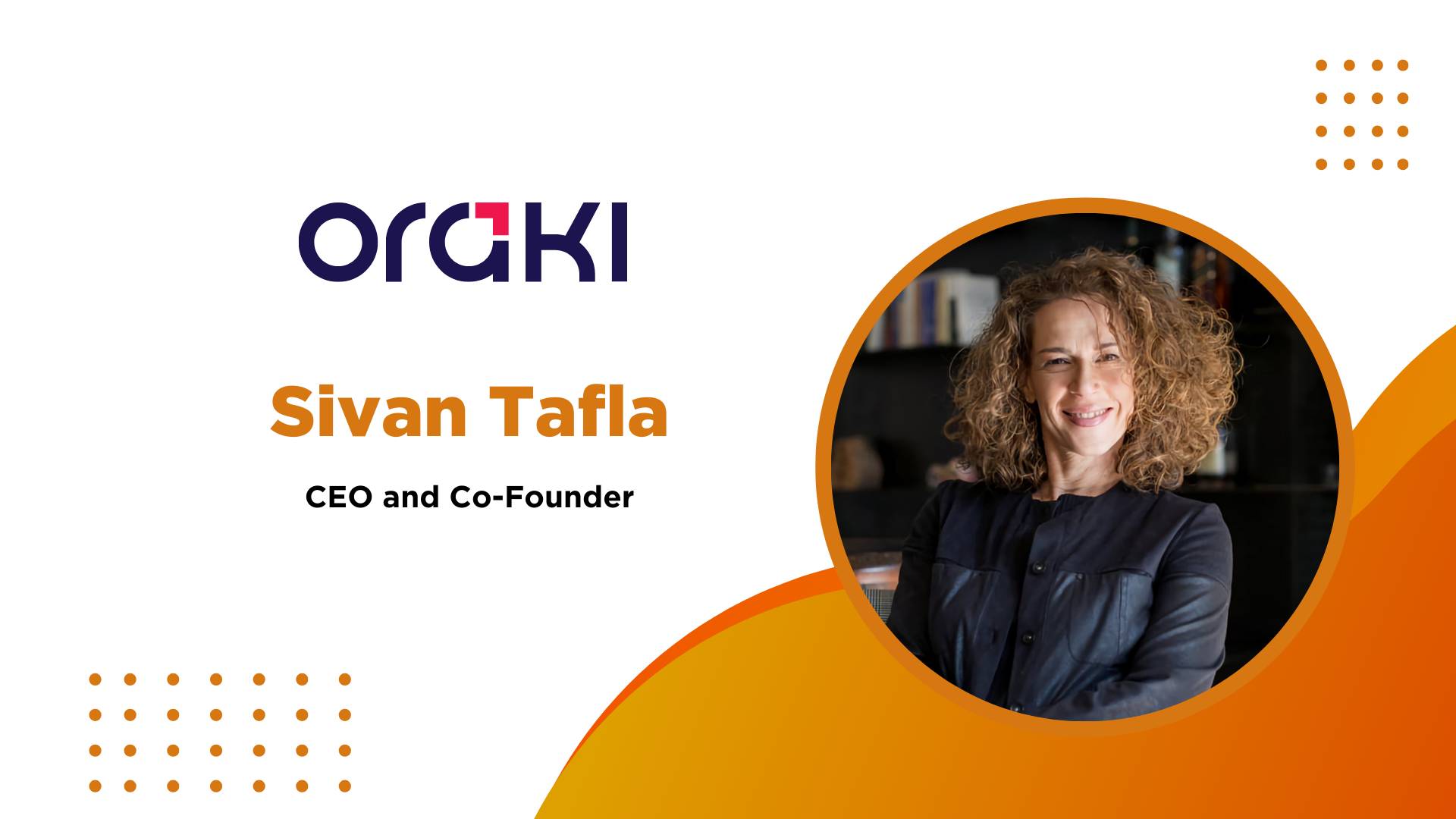
Martech Edge Interview with Sivan Tafla, CEO and Co-Founder, Oraki
advertising 2 Apr 2024
What's the story behind your journey to becoming CEO of Oraki?
Back in 1998, my path from finance to leading Oraki began. It was a journey sparked by a deep passion for technology and advertising. The adventure really kicked off when I founded Ad4ever, a pioneer in digital ads. Following its acquisition, I shifted to Oraki (formerly known as Total Media Solutions), a company my husband, Amitai Tafla, founded in 2005. As CEO, I embraced the era of programmatic advertising, focusing on empowering digital publishers and advertisers with innovative solutions. My tenure at Oraki has been all about fostering innovation, excellence, and a long-standing partnership with Google, aiming to significantly impact the digital advertising landscape.
Oraki has over 20 years of experience in the programmatic advertising space. What changes have you witnessed over the period in this dynamic landscape?
Over the last 20 years, the digital ad landscape has seen major changes, especially with the rise of programmatic advertising around 15 years ago. This revolutionized how ads are managed, enabling precise targeting and real-time adjustments, making processes more transparent and efficient. We've also adapted to the dominance of mobile, advanced data strategies, and a stronger emphasis on ad transparency and safety. Oraki, in partnership with Google, played a crucial role in introducing these innovations to publishers, establishing ourselves as experts in navigating and shaping this dynamic industry.
How does Oraki differentiate itself from other tech-based revenue management companies in the digital publishing sector?
Oraki sets itself apart by deeply focusing on helping publishers grow, not just through technology and revenue management but by building foundational strategies for their business. Unique in being one of only three Google Ad Manager 360 Resellers in EMEA, we offer more than just revenue optimization; we're about creating a robust digital strategy from the ground up. Our comprehensive knowledge of Google's tech together with our dedication to innovation and personalized consultation, positions us uniquely in the digital publishing world, ensuring our partners have everything they need to succeed.
Can you outline how Oraki collaborates with publishers to help them reach peak performance?
From our years working alongside Google, we've really gotten to know the ins and outs of what publishers and advertisers need. With Google Ad Manager 360, we've been able to craft some smart ways to cut through the clutter of ad tech, making things smoother for everyone involved. It's all about giving our partners the tools they need, so they can keep their focus on growing their business and hitting those high marks. We're here to handle the complicated bits, making sure they reach their peak performance with ease.
What advantages does being one of only nine Google-certified resellers worldwide offer clients seeking revenue management solutions?
Being one of just nine Google-certified resellers globally gives our clients a unique edge. It's not just about using Ad Manager 360; it's about owning it, creating a solid base for their business to grow on. We've got the Google seal of approval, which means our clients get nothing but top-tier support and insights, plus all the extra perks from Google, like special access to new features and dedicated support from the team at Oraki. It's a partnership that really sets them up for long-term success.
How does Oraki stay ahead of the curve about technological advancements and digital publishing trends?
At Oraki, we're always learning and adapting, making sure we understand what's happening in the ad tech and digital publishing worlds. It's not just about keeping up; it's about really listening to what our publishers need and what partners like Google are saying. This way, we're not just reacting to changes; we're anticipating them, making sure we're ready for what's next. It's about being prepared for the future, together with our clients.
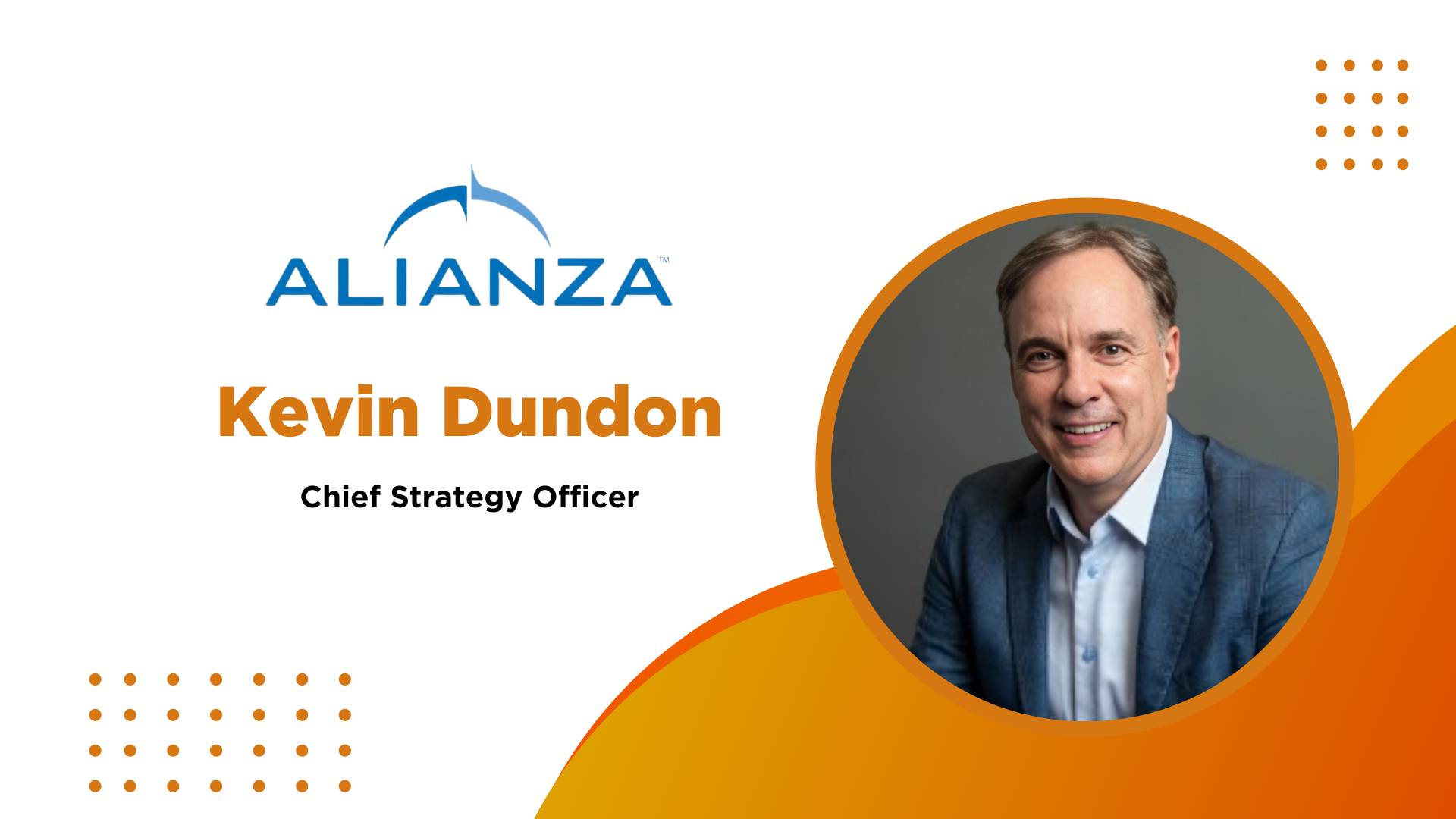
Martech Edge Interview with Kevin Dundon, Chief Strategy Officer, Alianza
cloud technology 14 Mar 2024
I joined Alianza more than a decade ago, just a year after Netflix CEO Reed Hastings took to the stage at the first AWS re:Invent Conference to share that the streaming giant would be moving all of its core network infrastructure to the cloud. The news was game changing and encouraged us to think differently about the business. Fast forward 10-plus years and cloud-native strategies have taken hold across almost every industry. Alianza recognized the opportunity for telecommunications and built one of the industry’s only cloud-native communications platforms tailored to service providers.
Today, through our recent strategic collaboration agreement with Amazon Web Services (AWS), we sit at a similar inflection point. Alianza recognizes the opportunities that will be driven by AI and remains steadfast in our commitment to modernizing core network infrastructure capable of delivering the latest technology innovations. These new capabilities will democratize access to technology for businesses beyond the enterprise all the way to Main Street, where Alianza supports so many communications service providers. Small business communications will be transformed by AI and natural language calling features, ushering in a new level of intelligence to the core of our economy.
As Alianza’s Chief Strategy Officer, how do you approach aligning these functions to drive overall revenue growth and business success?
Strategy is collaborative at Alianza. Our leadership team regularly sets aside “whitespace” to ideate what’s ahead for the business and what various partnership agreements, customer deals and other opportunities will mean, not only from a revenue perspective, but also for product and our customer success organizations. We often have these conversations within a healthy culture of debate, where contrary points of view are not only encouraged but expected to get to the right outcome at the right time for the business. This fosters alignment across the organization before plans are implemented, which enables us to execute with greater speed and agility even as we face challenges or setbacks.
How do you create clear & compelling differentiators for Alianza in the market, ensuring that it not only stands out from the competition but also drives real value for the customers?
Alianza is a B2B technology platform purpose-built to enable communications service providers to deliver a full suite of offerings to residential and business customers. We serve a finite market and unlike many organizations, Alianza isn’t a mere line of business within a larger organization. Our sole focus is delivering core communications services to broadband service providers.
Our complete dedication to the market is emphasized by our partner mindset. We view our customers as indispensable strategic partners. We don’t just compete based on feature functionality; we prioritize being easy to use, easy to consume, and easy to manage to drive value. We actively learn from our customers and take their input into consideration as we build and refine our platform. This alignment ensures we meet our customers’ needs throughout their entire lifecycle.
Alianza focuses on cloud-native solutions for both legacy voice and next-gen cloud communications services. Can you elaborate on the of adopting a cloud-native approach in telecommunications?
The telecommunications industry is at a pivotal moment. Legacy voice infrastructure is reaching end of life and becoming increasingly risky and costly to maintain. Telco service providers are trying to explore new revenue streams and find ways to invest CapEx, drive down OpEx, and monetize their networks. The logical path forward is cloudification. Migrating legacy infrastructure to the cloud not only reduces the cost of ownership and streamlines operations, but it also sets the stage for mobile convergence and creates an environment ripe for AI.
As previously mentioned, Alianza is working to democratize AI by bringing it to Main Street. For small and medium-sized businesses (SMBs) to harness the advantages of AI, it's imperative that service providers facilitating their core communications transition their legacy network infrastructure to the cloud.
Alianza is committed to ensuring first-rate customer experiences for more than 200 service providers. How do you approach customer relationships in a way that has an underlying partner mindset?
Alianza operates on a Software-as-a-Service (SaaS) model. This means our customers play a critical role in our revenue growth – they must sell for us to grow. Our success is directly tied to our customer’s success, and that’s why we view them as indispensable strategic partners.
Alianza’s customer success teams are largely focused on sales enablement. We equip our partner sales and marketing organizations with the tools they need to sell Alianza in tandem with our customer’s core services. We don’t just provide a service; we serve as their underlying platform and an extension of their team. By doing so, we help our customers drive down costs and contribute to their revenue growth.
Can you share some key strategies or initiatives you’ve implemented to supercharge growth and reduce costs for Alianza?
In late 2022, after increasing our engineering and development spend by 44%, Alianza committed $200 million to research and development to accelerate cloud communications growth. This five-year investment shapes our ongoing strategy, ensuring we continue to deliver service providers with the products they need to successfully move their core communications systems to the cloud.
Our R&D investment continues to drive innovation at Alianza and keep us ahead of the curve. Right now, we’re heavily investing in AI to level up our end-user experience, offer deeper insights, and meet the ever-evolving needs of our customers.
What are some current trends in the telecommunications and cloud industry that businesses should be paying attention to? How is Alianza positioning itself to adopt these trends and stay at the forefront of the industry?
In today’s market, most legacy technology industries are transitioning to the cloud. The driving forces behind this migration are cost efficiency and enhanced end-user experiences. Alianza has already fully embraced the Telco 3.0 shift, offering a full-stack cloud-native platform that helps service providers supercharge growth, reduce costs while elevating the customer experience.
Additionally, we’re witnessing a surge in demand for bundled communication services. With Alianza's robust API, service providers can integrate the Alianza platform into their existing offerings, such as Wi-Fi, broadband, and security, to create a one-stop-shop for residential and business customers. Our platform is also white labeled, enhancing its appeal to customers by granting them end-to-end brand ownership of their platform.
Given our commitment to innovation and our unwavering grit to consistently push the status quo, Alianza is strategically positioned to deliver the best cloud communications experience for telco service providers.

Martech Edge Interview with Dmytro Kudrenko, Founder and CEO, Stripo
email marketing 22 Feb 2024
Welcome, Dmitry! You have been involved in various entrepreneurial ventures throughout your career; what drives you to pursue new opportunities and challenges as a founder and CEO?
Thank you for the warm welcome! My journey from coder to entrepreneur was fueled by a desire to make a tangible impact. It all started with a realization—true innovation isn’t just about writing code; it’s about solving the challenges that people face every day.
What motivates me is the potential to drive change through technology. Take Stripo, for example. We wanted to make email marketing easier for everyone, especially those without coding skills. One of the most rewarding moments at Stripo was when a user shared how our platform transformed their business by saving time and enhancing their marketing strategy. This kind of feedback is a powerful reminder of why we do what we do.
For me, the drive comes from seeing the difference that our technology makes in people’s lives. Learning, adapting, and preparing for the future are what inspire me every day in this entrepreneurial journey.
How did you start Stripo? What was the initial idea behind establishing the company?
When we started Stripo, I had already been in email marketing for 10 years and saw a big problem. Email marketers often struggled to make HTML emails look good on different email clients and devices. Usually, you need to know how to code to do this, but many marketers didn’t have these skills. They had to spend time learning to code instead of doing their main marketing jobs, which was a real headache. They had two choices: ask for help from developers, which wasn’t always easy, or try to learn coding themselves.
At Stripo, we wanted to fix this. Our idea was to let marketers easily create great-looking HTML emails without having to know how to code. This would free them to focus more on their marketing plans and other important work. Our first slogan was all about this: “Build beautiful HTML emails fast without coding skills.”
Actually, many have tried to solve this problem, but I’ve noticed that they most quickly move on to higher-level tasks sending emails, analyzing, and personalizing—forgetting about the foundation they started with and never fully completing the task. We believe in doing one thing well, so we’ve chosen to focus solely on email creation and process optimization around it. For the past seven years, we’ve been dedicated to this and still see a roadmap full of improvements for years to come.
Stripo is a powerful tool that helps businesses create stunning and responsive emails in minutes. How does the Stripo Editor streamline the workflow of email design and development? How does embedding the plugin enhance the user experience and productivity?
It’s crucial to understand that creating emails isn’t just about crafting quality, professional HTML, or how it appears in Outlook and Gmail. What’s more important is what exactly in the email looks good. Stripo allows marketers to focus on the message, which involves many steps:
- Planning
- Coordination
- Design
- Copywriting (sometimes in multiple languages)
- Coding
- Deployment and integration
- Testing
- Analytics
At each step, various specialists are involved, spending time on coordination and revisions. Our initial priority was to find ways to minimize revisions throughout the testing and coordination process. At Stripo, we aimed to preserve the designer’s original vision in each iteration and maintain control over modifications. We strive to implement the principle of built-in quality. Whatever you do, it always works and adheres to the rules and standards.
While Stripo is an exceptional tool, it’s essential to recognize that it represents yet another tool for marketers. Hence, it was a priority for us to ensure one-click integration with as many systems as possible. We support integration with over 80 email service providers (ESPs) and various platforms, streamlining the workflow for marketers. This integration capability is a testament to our commitment to making email creation and deployment as seamless and efficient as possible, allowing marketers to focus more on strategy and less on technicalities.
From the outset, we designed our editor with the vision that it should be effortlessly usable by other vendors (ESPs, CDPs, etc.), enabling them to customize its functionality to meet their specific needs. If a user aims to enhance the quality and speed of email creation, we focus on facilitating one-click integration.
For vendors looking to elevate this experience for their customers, we ensure that minimal development is needed for integration. Just a couple lines of code, and our editor can be embedded within another product with the help of the plugin. The plugin is popular among software companies of all sizes, from small startups to big corporations. Essentially, it’s for any website, CRM, ESP, or other tools that need a modern, easy-to-use drag-and-drop email builder.
You have a strong passion for Lean principles and how they can improve email marketing. How have you implemented Lean principles in your work at Stripo, and what are the benefits for your customers?
For sure, I am a big fan of Lean principles. At Stripo, we’ve cultivated an environment where errors are seen as learning steps. The key is to eliminate the fear of failure among team members. When mistakes happen, we don’t blame anybody for them; instead, we learn from them, support each other, and move forward swiftly. Additionally, we regularly release updates and focus on continuous improvement, prioritizing what will bring the most benefit to our customers from our efforts. Take a look at our Release Notes, which we’ve been publishing for seven years. It shows how frequently and how much we do, as well as how much time we dedicate to fixing bugs.
Here are my recommendations on how to incorporate Lean strategies into email marketing:
- Be ready to adapt your strategy. In the fast-paced business world, waiting for a complete strategy can lead to missed opportunities. It’s better to determine a general direction and take initial steps. Learning and adapting from ongoing data is key. For instance, a comprehensive email marketing strategy might become irrelevant by the time it’s finalized.
- Embrace the MVP approach. Instead of fully developing an idea from the start, begin with a basic version. For instance, when dealing with abandoned shopping carts, you might be uncertain about the specific item left in the cart. In this case, send a general reminder about the incomplete purchase, along with a link to your site for completion. This simple action is more effective than no action at all.
- Include experiments in mass mailings. Continual experimentation is crucial for success in mass email campaigns. Each mailing should be viewed as an opportunity to learn and test hypotheses about your audience.
- Always focus on mistakes. In Lean methodology, defects are considered a form of waste. Addressing errors promptly is essential. For example, quickly fixing a broken link in an email trigger minimizes the negative impact. Even small overlooked errors can lead to significant issues.
- Take a look at the ShuHaRi model, inspired by Japanese martial arts, which represents stages of learning and mastery that are applicable to the evolution of business communication.
The ShuHaRi model consists of three stages:
- Shu: Following established best practices
- Ha: Experimenting and adapting these practices
- Ri: Innovating and establishing new practices
In email marketing, this model helps to focus on appropriate metrics at each stage, evolving from implementation to experimentation and innovation.
During the Shu phase, email marketers should prioritize implementation depth over traditional metrics such as Open Rate or Click-Through Rate. The key is how well strategies are executed, as this impacts revenue the most while also considering the time invested. In the Ha stage, experimentation is crucial. You’ll challenge standard practices and seek alternatives by analyzing past campaigns. Once you have mastered the basics, in the final Ri stage, you transition from merely following guidelines to setting your own and fostering innovative development within your organization.
Additionally, our goal at Stripo is to refine processes to minimize waste and maximize resource use. We emphasize quality in everything we do, from the emails we craft to the overall customer experience. We strive to be a company where innovative ideas are not only generated but also brought to fruition, regardless of the challenges in resources, time, or people.
Your solution enables marketing teams, especially email marketers, to create personalized and engaging campaigns that resonate with their audiences. How does your solution achieve this goal, and what features make it stand out?
We have a wide range of features that make us stand out, including the following:
1. Modular email design: This lets you build email components once and use them in many campaigns. It speeds up email creation, keeps your brand consistent, simplifies edits, and reduces testing. Users can separate design from data for fully automated email production.
2. WYSIWYG Editor: This stands for “What You See Is What You Get.” It shows email content in the editor as it would appear in subscribers’ inboxes. Users can edit mobile and desktop versions differently to suit their needs.
3. We’re integrated with over 80 ESPs, including big names such as Mailchimp and HubSpot and clients such as Outlook and Gmail. Stripo enables easy email exporting to platforms without hassle.
4. We offer over 1,500 ready-to-use email templates suitable for various industries and events.
5. Interactive module generator: This new tool lets users create interactive games (such as wheels of fortune, scratch cards, and questionnaires) without coding. It provides an AMP version, an interactive HTML fallback, and a text fallback to cover all email clients.
6. Brand guidelines kit generator: Users can easily create a brand book from their templates to ensure consistency in all newsletters.
7. Stripo’s Email Translate service enables businesses to localize newsletters for global markets with over 100 languages. It offers direct integration with Google Translate for instant translations in the email editor. In addition, it is possible to download XLS and JSON files with translations made by professional translators.
8. Email client preview: Our tool allows previews across 90+ devices and major email clients.
Each feature aims to make email marketing easier for users. When we think of new features, we always consider how they will simplify email creation.
Stripo’s email template library offers a unique competitive advantage over other vendors in the market. What key features make the email template library different and stand out from the rest?
I would say that a template is a good starting point for creating your own design, but the routine of working with the same templates can quickly become monotonous.
We ensure that our templates are structured and equipped with a set of modules that allow for the rapid creation of new emails daily.
So, our strength lies not just in our template library but more so in our module library.
Additionally, we create processes to ensure that once brand design rules are established, they are difficult for other team members to deviate from in daily use.
How do you see the future of email marketing evolving, particularly in the context of Lean principles and faster delivery of value? What emerging trends and best practices should marketers be aware of?
The core value of Lean is continuous improvement. For marketers, this translates into one thing: test, test, and test again
To ensure that testing is worth more than its cost, we must optimize routine processes significantly. Part of this optimization is where we come in at Stripo.
Regarding trends, I believe most tasks will be delegated to machines, allowing marketers to focus not on sending emails but on the value they bring to communications. This should be the case now, but with technology being so diverse, much time is spent mastering it.
Stripo is open to new partnerships and collaborations. What key factors or criteria do you consider when choosing a potential partner that would create a mutually beneficial relationship?
We’re wholeheartedly diving into projects aimed at one main goal: making email communication better. This means helping marketers easily bring their ideas to life and ensuring that customers get exactly what they expect from vendors.
For example, right now, we’re proud to have over 80 integrations with different ESPs, and we’re always excited to team up with more to give our users even more options for sending their emails.
If we’re talking about teaming up for marketing efforts, it’s key that our future partners are on the same page as us about where email marketing is headed. Also, we really care about with whom we partner. They need to have a good name in the industry for being reliable, delivering top-notch quality, and playing fair and square. And let’s not forget about keeping data safe and private. Our partners need to take this as seriously as we do, with strong measures in place to keep everyone’s information secure.
Additionally, we consistently participate in educational programs, conferences, and similar events to support our mission of shaping the evolution of email marketing.
Page 41 of 48
Most Recent
How AI Is Reshaping Ecommerce Discovery, SEO and Marketing Attribution
Interview Of : Daniel Reid

How AI-Powered Clienteling Helps Retailers Turn Holiday Shoppers Into Loyal Customers
Interview Of : Leigh Sevin

Why Human Judgment Still Matters in AI-Powered Biopharma Marketing
Interview Of : Lauren Boyer

Why Continuous Customer Feedback Matters to Marketers
Interview Of : Katie Miserany

Why Clean Data Is Critical to AI-Ready Sales Operations
Interview Of : Heather Rinke

AI-Driven Fraud Is Reshaping Security in Private Markets, Says 6lock CEO
Interview Of : Todd Sorrel