News

Revscale AI Launches ‘Peripheral’—An AI Brain for Smarter Business Growth
artificial intelligence 4 Aug 2025
Peripheral: The AI Operating System Your Franchise Didn't Know It Needed
Revscale AI, known for pushing the envelope on agentic AI, just dropped something big: Peripheral, a unified intelligence layer built to act as the central nervous system of business growth. Forget siloed dashboards and lagging data—Peripheral promises real-time, end-to-end visibility and actionability across the entire customer journey.
If that sounds like a big claim, it is. And it’s one that might just hold up.
At its core, Peripheral functions like a decision-making brain for your digital ops. It doesn’t just track behavior—like clicks on your website or opens on an email—it interprets that behavior, adapts, and automates a strategic response. No toggling between tools. No waiting on human analysis. Just smart, immediate action.
Why It Matters
In an era where customer attention is fleeting and marketing stacks are bloated, Peripheral offers a single, adaptive platform that integrates touchpoints from web to CRM. This could mean serious reductions in customer acquisition cost (CAC), sharper campaign targeting, and a much-needed boost in conversion predictability.
While traditional martech platforms drown users in fragmented insights, Revscale is betting big on intelligence unification. The move reflects a broader trend: businesses are increasingly seeking not just automation, but contextual, self-improving systems that think and act.
“Peripheral reflects our belief that the future of franchise growth is strategically automated,” said Unnat Bak, Revscale’s Chief AI and Product Officer. “We’re not just connecting the dots—we’re building something that learns from the dots.”
Built to Learn and Scale
On the engineering side, Peripheral’s architecture leans into modular AI and dynamic learning—two buzzwords that actually mean something here. According to CTO Sujay Rao, this makes it flexible enough to serve both solo operators and sprawling franchise networks with the same level of speed and precision.
That flexibility isn’t theoretical. Early pilot programs have already reported faster lead responses, better visibility into funnel behavior, and measurable improvements in ROI. And because Peripheral continuously evolves, its value compounds over time.
Implications for the Martech Landscape
With so many businesses drowning in data but starved for insight, Peripheral enters the ring at a crucial moment. It doesn’t just consolidate—it synthesizes. That sets it apart from legacy CRMs and marketing platforms that rely on human analysts or rigid workflows to keep up.
Peripheral is a clear shot across the bow for older systems built on fragmented logic. And if adoption takes off, we could see a wave of similar “intelligence layers” become must-haves rather than nice-to-haves in the martech stack.
Peripheral isn’t just another tool—it’s a rethink of how growth happens. By merging insight, automation, and learning into one real-time layer, Revscale may have given franchises (and beyond) the operational edge they’ve been chasing.
Get in touch with our MarTech Experts.
BlueConic Bolsters Leadership to Power Next Phase of AI-Driven Customer Growth
artificial intelligence 4 Aug 2025
BlueConic Taps New Leadership to Fuel AI-First Personalization Push
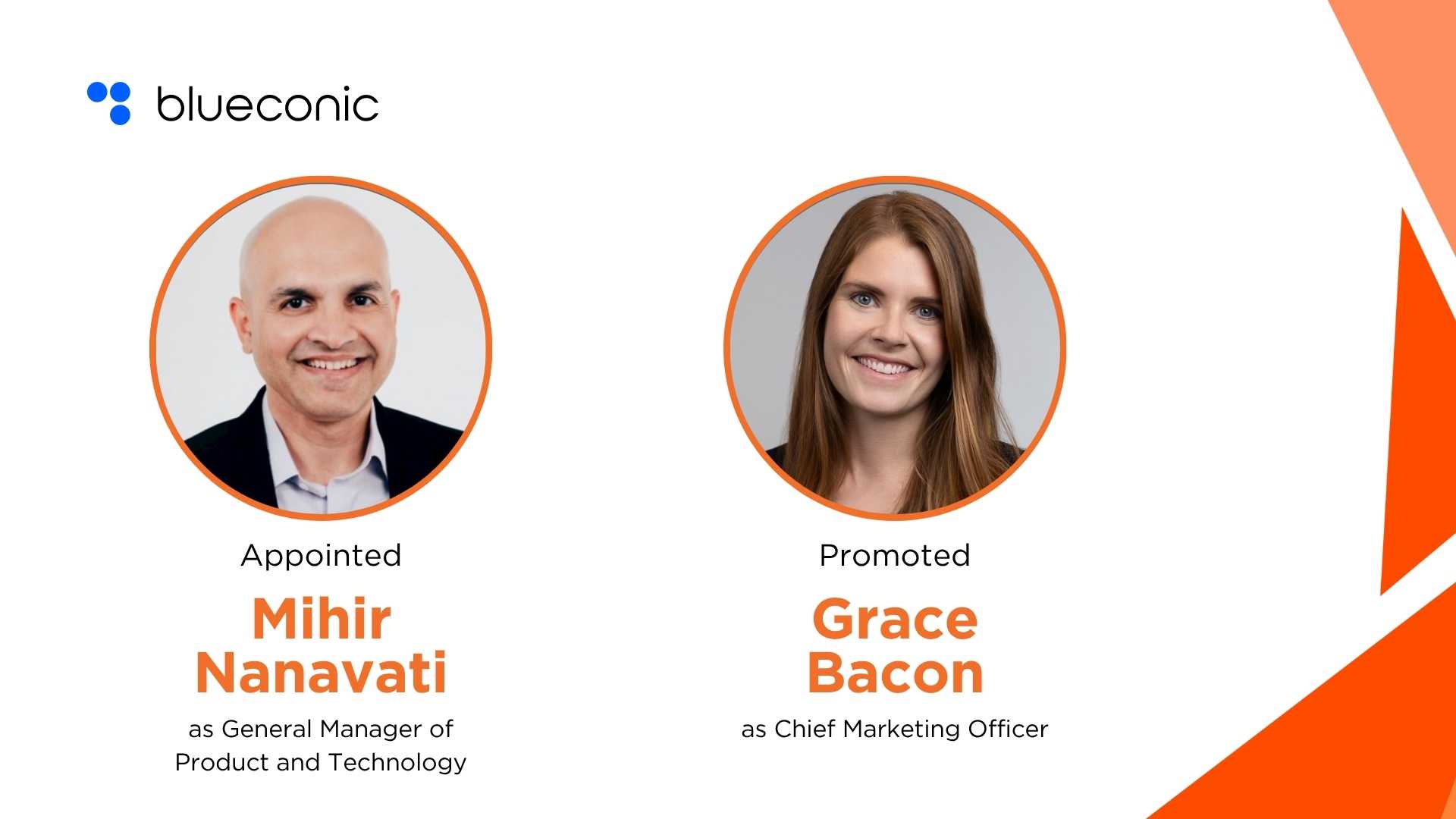
BlueConic, the company behind the AI-powered Customer Growth Engine™ trusted by modern commerce brands, is doubling down on growth—with fresh leadership at the helm. The company has appointed Mihir Nanavati as General Manager of Product and Technology and Grace Bacon as Chief Marketing Officer, signaling a bold step forward as it expands its modular AI platform to meet the rising demand for hyper-personalized engagement.
The announcement reflects a larger strategic pivot across martech: as third-party cookies crumble and consumer expectations climb, the real edge lies in first-party data and AI-powered action. BlueConic isn’t just responding to that shift—it’s trying to lead it.
Big Hires, Bigger Ambitions
Nanavati joins with a résumé built for scale. Having led product and innovation at AdRoll, RollWorks, and Tradeshift, he’s no stranger to growing platforms that turn signals into revenue. At BlueConic, he’ll oversee engineering, strategy, and innovation—key pillars in accelerating platform evolution and delivering AI-driven actions in real time.
"With Mihir, we gain deep expertise in turning technology into growth outcomes," said CEO Melissa Murray Bailey.
Meanwhile, Grace Bacon steps in to lead global marketing at a critical time. With previous stints at high-growth SaaS and media companies like Showpad and Quartz, she brings the dual lens of brand building and demand generation. Her mission? Cement BlueConic as the go-to solution for commerce brands seeking AI-powered customer-led growth.
Bacon’s arrival is well-timed. More brands are leaning into first-party data strategies and need tools that move as fast as their customers do. BlueConic’s platform does just that—interpreting customer behavior instantly and triggering the next best action, without requiring manual workflows or data science bottlenecks.
From Signals to Scale
At its core, BlueConic is selling more than software—it’s selling transformation. As third-party data dries up and one-size-fits-all campaigns fall flat, BlueConic promises intelligent engagement that feels personal at scale. Their AI interprets real-time customer behavior and translates it into immediate actions, delivering smarter, faster outcomes throughout the lifecycle.
The new hires suggest BlueConic isn’t content to coast on existing momentum. It’s gearing up to define what growth looks like in a cookieless, AI-first era.
Zooming Out: Industry Implications
The leadership shake-up underscores how central AI has become to modern marketing—and how serious companies like BlueConic are about owning that space. While other CDPs and personalization platforms still rely on stitched-together solutions, BlueConic’s integrated Customer Growth Engine is positioning itself as the category-defining platform for commerce brands navigating disruption.
And with competition heating up—from legacy players retrofitting AI into old stacks to nimble startups promising light-speed automation—BlueConic’s investment in both product and marketing leadership could help it outpace the pack.
As AI moves from buzzword to backbone in martech, BlueConic is assembling a leadership team built for both innovation and execution. With Grace Bacon and Mihir Nanavati on board, the company looks ready to push personalization beyond buzz into real, scalable outcomes.
Get in touch with our MarTech Experts.

Swell Country Launches Targeted Marketing Service for Men’s Health Clinics
marketing 4 Aug 2025
Swell Country Goes All-In on Men’s Health Marketing with New Growth-Focused Service Line
In a move tailored for a uniquely underserved slice of the healthcare sector, California-based digital marketing agency Swell Country has unveiled a new integrated marketing service designed specifically for men’s health clinics. The offering targets small to mid-sized providers looking to grow their patient base, strengthen digital visibility, and stay compliant in a heavily regulated, often misunderstood space.
Let’s face it—marketing men’s health isn’t easy. With privacy concerns, ad restrictions, and trust barriers, many clinics struggle to connect with the very patients they aim to serve. Swell Country’s new initiative aims to flip that script by offering a ready-made system optimized for high-intent outreach and real-time performance tracking.
What’s New: A Clinic-Specific, Fully Integrated Model
Spearheaded by CEO Yusuke Imamura, the agency’s new platform goes beyond one-size-fits-all marketing packages. This tailored approach combines SEO, Google and Meta ads, CRM-enabled automation, and content strategy—all designed to convert clicks into booked appointments while maintaining HIPAA compliance.
“Our team developed a service model that directly addresses the operational and regulatory friction points clinics face,” Imamura said. “It's about building reliable, trackable systems that actually move the needle on patient acquisition.”
Behind the Curtain: How It Works
The system starts with a full digital footprint audit. From there, Swell Country deploys a layered strategy that includes:
-
SEO & Local Optimization: Fine-tuned on-page and off-page tactics to climb local search rankings.
-
Paid Search & Social: Targeted ad campaigns on Google and Meta, focusing on high-intent keywords and relevant demographics.
-
Content That Converts: Educational content to build authority, reduce stigma, and encourage action.
-
CRM & Funnel Automation: Lead-capture systems integrated into appointment scheduling tools, email follow-ups, and patient management workflows.
It’s a stack built not just to attract—but to retain. Clinics already using the service report noticeable gains in digital visibility, ad-driven lead quality, and patient lifecycle engagement.
No More Guesswork: Transparent Reporting Included
One of the biggest pain points in healthcare marketing is ROI uncertainty. Swell Country bakes transparency into its model with performance dashboards, call tracking, and lead attribution reports that show exactly what’s working.
"Too often, healthcare organizations invest in digital marketing without full insight into what’s working," Imamura noted. "Our clients get clear, actionable data tied directly to patient growth."
Why This Matters Now
Men’s health remains a historically stigmatized and under-marketed space, even as demand for services like testosterone therapy, ED treatment, and preventive care grows. Simultaneously, small to mid-sized clinics are navigating tightening budgets, increasing competition, and evolving privacy laws—all of which require a smarter, more strategic approach to marketing.
Swell Country’s targeted rollout arrives at a critical time, where performance-based digital outreach may be the difference between flatlining and flourishing.
The Bigger Picture
While Swell Country works across verticals, this formal push into men’s health marks a strategic bet on a niche with high growth potential. Its agency model embraces personalization and compliance in equal measure—two things often missing in healthcare marketing efforts.
In a crowded martech environment, the company’s clinic-first approach and focus on measurable outcomes could resonate far beyond men’s health. But for now, it’s a lifeline for smaller providers looking to scale without spinning their wheels—or violating HIPAA.
Get in touch with our MarTech Experts.

AirMDR Unveils AI SOC Platform to Automate Tier-1 Triage—Free Forever Plan Included
cybersecurity 4 Aug 2025
AirMDR Launches AI-Powered SOC Platform with Bold Promise: No Analysts Burned Out, No Budget Burned Through
In a move set to rattle the cybersecurity tooling landscape, AirMDR today launched its AI SOC Platform—an agentic-AI solution designed to automate Tier-1 alert triage, accelerate investigations, and reduce both costs and cognitive overload in Security Operations Centers (SOCs). The headline claim? More than 90% of Tier-1 alerts triaged autonomously and investigations completed in minutes.
But what may truly set this launch apart is AirMDR’s Free Forever plan, giving SOC teams access to a production-grade AI analyst workflow—without a sales call, credit card, or “demo prison.”
Tier-1 Triage, Tier-0 Hassle
The AirMDR AI SOC Platform targets a clear pain point: overwhelmed analysts drowning in noisy alerts, repetitive investigations, and tools that require endless playbook engineering. Instead of simply detecting threats faster, AirMDR’s platform learns from the environment and adapts over time—functioning less like a rules engine, more like a virtual analyst that gets smarter with use.
"Security teams shouldn’t need six-figure budgets or months of playbook coding to modernize their SOC," said Kumar Saurabh, CEO of AirMDR. “Our Free Forever plan proves the value first, then lets customers expand on their terms.”
Core Capabilities Include:
-
Autonomous Alert Triage: Automates more than 90% of Tier-1 alerts, reducing false positives and analyst burnout.
-
Sub-5-Minute Investigations: AI-powered root cause analysis with one-click or fully automated remediation workflows.
-
Multi-Tenant Architecture for MSSPs: Secure, centralized oversight with strict data isolation per client.
-
Enterprise-Grade Controls: SOC 2 compliance, 200+ native integrations, and full audit trails for trust and accountability.
A Democratized Entry Point
The Free Forever plan is more than a gimmick. It supports up to three data sources and 100 alerts per week, providing a functional sandbox for teams to test-drive the AI analyst without committing budget or time upfront. AirMDR also promises white-glove onboarding, giving users a frictionless path from sign-up to insight.
The no-cost model appears squarely aimed at breaking the entry barrier for leaner teams, startups, and security leaders skeptical of AI hype. If the product performs as promised, it could create serious pressure on traditional MDR vendors whose offerings require significant investment before value is realized.
Performance in the Wild
The platform is already field-tested. Hans Gustavson, CISO of Workato, reports that AirMDR is triaging nearly 80% of their security findings today: “It significantly accelerated our time to value… allowing our SOC team to stay focused on the most critical threats.”
His endorsement suggests the platform isn’t just smart on paper—but operationally sound at scale.
Market Timing: Perfect Storm, Perfect Product?
The timing couldn’t be better. MSSPs are looking to serve more clients without scaling headcount, and enterprise SOCs are under pressure to reduce costs without compromising speed. With compliance standards tightening and threat actors evolving faster than humans can keep up, AirMDR’s promise of a self-learning, always-on AI analyst could offer a compelling upgrade path—especially when the first steps are free.
Live Demo at Black Hat USA 2025
AirMDR is showcasing the platform at Black Hat USA 2025 (Booth #6425) in Las Vegas. Attendees can:
-
Watch the agentic AI analyst triage real-world alerts in real time
-
Enroll in the Free Forever plan on the spot
-
Explore MSSP-specific features and enterprise-grade use cases
-
Book deep-dive sessions and see AirMDR’s broader MDR solutions in action
Final Thoughts
The AI SOC Platform represents more than product evolution—it’s a statement of intent from AirMDR to lead a new era of democratized cybersecurity. By fusing autonomous triage, rapid investigation, and pricing flexibility, AirMDR isn’t just replacing analysts—it’s reimagining how SOCs operate.
Get in touch with our MarTech Experts.

Holiday 2025: Consumers Are Ready to Spend—If Brands Can Keep Up
email marketing 4 Aug 2025
Consumers are opening their wallets this holiday season—but they’re not opening their inboxes to just anything.
According to the Optimove Insights 2025 Consumer Holiday Shopping Report, nearly half (48%) of consumers plan to boost their holiday shopping budgets this year, offering a promising outlook for retailers. But there’s a catch: 84% of shoppers are worried about tariffs, 80% are concerned about inflation, and 82% admit to unsubscribing from marketing emails while shopping online.
In short, people are spending—but they’re also skeptical, overloaded, and demanding more from brands than ever before.
Shoppers Are Spending More—Just Not Waiting for November to Do It
The research, based on a July 2025 survey of 345 U.S. consumers aged 21 and up (with household incomes of $75K+), outlines a major shift in behavior and timing:
-
64% will begin holiday shopping before Halloween
-
88% prefer early offers from brands
-
66% are still discount-driven, but 81% prioritize overall price-value
The 2025 season will start earlier and require more from marketers—not just in volume, but in speed and strategy.
And brands that bombard inboxes with irrelevant campaigns? They’ll pay the price. Nearly half of consumers report fatigue from holiday marketing before November even starts.
Positionless Marketing: Why Traditional Campaign Models Won’t Cut It Anymore
To meet this changing landscape, Optimove is pushing a marketing framework it calls Positionless Marketing—a model that strips away cross-departmental dependencies and empowers marketers to act on real-time customer signals themselves.
“Traditional, assembly-line marketing is too slow for today’s consumer,” said Rony Vexelman, VP of Marketing at Optimove. “If you’re waiting on analysts or creative teams, you’re already late.”
Marketers embracing Positionless Marketing can:
-
Instantly access customer data
-
Personalize messages based on behavior or preference
-
Launch multichannel campaigns in minutes instead of days
Some Optimove clients are cutting campaign launch time from five days to five minutes—a competitive edge when shopping behaviors are shifting by the hour.
The New Mandate: Empathy + Speed + Precision
The report doesn’t just flag problems—it offers strategies. To connect with a more value-conscious and digitally fatigued audience, Optimove recommends a three-pronged approach:
-
Lead With Empathy and Value
Price remains the top driver, but tone and timing matter. Transparent, financially sensitive messaging resonates more than flashy discounts. -
Personalize With Purpose
With 63% of shoppers ignoring most emails, personalization needs to go beyond name tags. Marketers must use behavioral and preference data to drive actual relevance. -
Act in Real Time
Trends change quickly, and delays cost money. Real-time responsiveness—enabled by Positionless Marketing—keeps campaigns aligned with consumer sentiment, product shifts, and competitive pricing.
A Holiday Marketing Wake-Up Call
If there’s one takeaway from the 2025 Optimove report, it’s this: the winners this season won’t just offer better deals—they’ll offer better timing, better targeting, and better understanding.
As Vexelman put it, “The brands that succeed this year will be the ones that stop waiting and not only respond to, but anticipate customers’ needs.”
With consumer budgets rising and patience shrinking, the challenge isn’t whether shoppers will spend—it’s whether marketers can keep up.
Get in touch with our MarTech Experts.

6sense Taps New Execs to Supercharge Its AI-Powered Revenue Platform
b2b data 4 Aug 2025
6sense, the AI-powered revenue marketing platform credited with turning complex B2B sales into a more data-driven science, just made a decisive move to cement its leadership. The company today announced three strategic hires: Tim O’Neil as Chief Sales Officer, Amir Ravandoust as Chief Operating Officer, and Raj Gupta as Chief Development Officer.
Each brings a different kind of muscle to a company riding the wave of AI’s infiltration into go-to-market (GTM) strategy. These appointments come as 6sense pushes to deepen its AI capabilities and expand globally while competitors race to pivot from fragmented marketing tools to smarter, more unified platforms.
“We’re building the company that sets the standard for world-class revenue performance,” said CEO Jason Zintak. “That means great tech and a team that can lead a market in transformation.”
The Why Behind the Who
Let’s be clear: This isn’t a reshuffle. It’s a playbook upgrade.
6sense is seeing customer outcomes that speak volumes—4x higher win rates, 2x larger deal sizes, and 20–40% faster sales cycles. It’s also been crowned a Leader by both Forrester and Gartner for its account-based and revenue marketing prowess.
But what really sets the stage here is a growing market hunger for connected, intelligent GTM ecosystems. The rise of “Revenue AI” as a category signals that B2B sales and marketing teams are no longer willing to fly blind with scattered tools.
Enter the new leadership trio:
-
Tim O’Neil, Chief Sales Officer: With experience at ThoughtSpot, Alation, and Bynder, Tim’s known for translating analytics into action. He’ll lead global sales with an eye on enterprise expansion and smarter customer relationships.
-
Amir Ravandoust, Chief Operating Officer: Previously at Alteryx and Marigold, Amir will bring a surgeon’s precision to internal operations, ensuring the company’s rapid scaling doesn’t compromise agility.
-
Raj Gupta, Chief Development Officer: With stints at Oracle, Cyara, and Cogito, Raj’s focus will be AI and platform innovation—especially advancing 6sense’s Signalverse™, the intelligence layer powering its predictive insights.
Industry Context: Revenue Intelligence or Bust
This move fits a broader trend where tech vendors—from Salesforce to startups—are converging around revenue intelligence. The difference? 6sense is betting heavily on AI agents and automation that proactively guide GTM teams, rather than merely serving up dashboards.
That’s a bold bet in a market fatigued by overhyped “AI” tools that underdeliver. But if the new exec team can execute, 6sense may become the template for AI-driven revenue teams.
What This Means for B2B Marketers and Sellers
For users, this could mean faster onboarding, more personalized outreach strategies, and stronger pipeline predictability. And for the industry? Expect a sharper pivot toward AI-native, not AI-retrofitted, GTM solutions.
As Zintak put it, “The B2B landscape is changing fast... These leaders will help us scale smarter, move faster, and lead the market forward.”
Get in touch with our MarTech Experts.

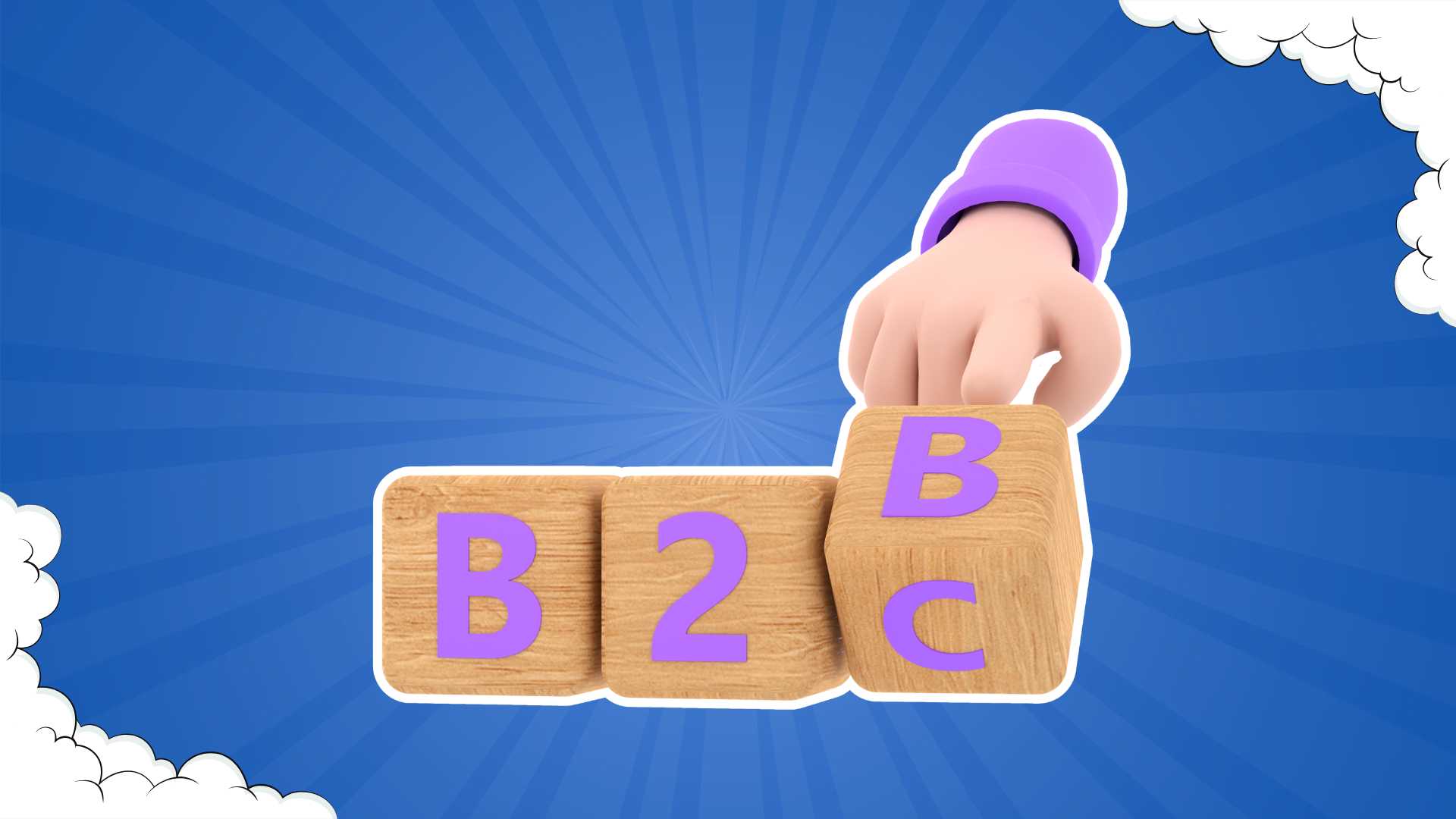
Glue Launches to Replace the B2C Marketing Stack with AI-Powered All-in-One Workspace
ecommerce and mobile ecommerce 4 Aug 2025
Marketing tools aren’t in short supply—but coherence, clarity, and leverage often are. Enter Glue, a new AI-powered workspace from MindLight Tech Inc., launched today with a bold promise: turn one marketer into a full-stack growth team.
Calling itself the “Cursor for revenue,” Glue is designed to replace the bloated and fragmented marketing stack B2C brands have long tolerated. Rather than forcing teams to juggle a dozen tools and freelancers, Glue offers a single intelligent interface where campaigns are ideated, launched, optimized, and scaled—all with minimal human bottleneck.
Beyond Another Martech Wrapper
Unlike typical "wrappers" that stitch together existing tools, Glue is a ground-up, full-stack platform. It integrates key marketing functions—campaign orchestration, ad creative generation, landing page testing, lifecycle automation, and predictive analytics—into one tightly unified experience.
Co-founder and technical architect Nicket Uttarwar put it bluntly:
“Marketers aren’t short on tools—they’re short on leverage. Glue replaces chaos with clarity.”
That clarity stems from what Glue calls its agentic architecture—an AI framework that dynamically assembles best-in-class models and data pipelines to run and refine full-funnel campaigns. Instead of toggling between Shopify dashboards, Meta Ads interfaces, and Google Sheets, marketers work within a single, always-learning workspace.
Engineering for Marketers
If this sounds more like software for developers than marketers, that’s no accident. Glue takes cues from tools like Cursor and VSCode, rethinking the marketing workflow from a developer’s perspective. The result? A workspace that feels more like an intelligent IDE than a spreadsheet-heavy dashboard.
And it’s not just about convenience. According to early users:
-
Revenue grew 3x via AI-orchestrated campaign execution
-
Marketing ROI jumped 10x
-
Setup and testing time dropped 90%
In Glue’s interface, marketers can simulate campaigns before spending, generate conversion-focused creatives on the fly, and analyze outcomes in real time—all from a conversational UI that responds like a teammate, not a tool.
Built for DTC, Ready for Scale
Glue is laser-focused on modern DTC and ecommerce operators, especially teams running lean. With native integrations into Shopify, Meta Ads, Google Ads, Klaviyo, and other performance platforms, Glue ingests first-party and performance data to forecast outcomes and adapt strategies without manual guesswork.
And while its ambition is lofty—streamlining the entirety of revenue marketing for B2C brands—it’s precisely the kind of market disruption the martech space has been hungry for. In an environment where tools outnumber outcomes, Glue’s unified, intelligent workspace could offer a powerful alternative to Frankenstack fatigue.
A Marketing OS in the Making?
As more marketing teams chase leaner, faster, and AI-enhanced operations, tools like Glue are poised to define a new category. Much like Notion did for documentation or Figma for design collaboration, Glue aims to own the operating system for revenue growth.
Whether that promise scales across verticals or stays niche remains to be seen—but for B2C marketers looking to escape the labyrinth of disconnected dashboards, Glue might just stick.
Get in touch with our MarTech Experts.

Ebsta Report Reveals Sales Qualification, Not More Meetings, Is Key to Closing Deals
b2b data 4 Aug 2025
If your sales team is chasing more meetings and stuffing the pipeline to hit quota, it might be time to pause and rethink the strategy. According to the newly released 2025 Ebsta Sales Qualification Report, the real revenue driver isn't hustle—it's discipline.
Analyzing over 655,000 B2B opportunities worth $48 billion, Ebsta found that well-qualified deals are 6.3 times more likely to close and close an average of 21.6% faster than poorly qualified ones. That kind of efficiency isn't just a nice-to-have in a resource-constrained environment—it's mission critical.
“Qualification isn't a one-time gate,” said Guy Rubin, CEO of Ebsta. “It’s a dynamic, ongoing process that shapes every stage of the deal.”
Yet despite the data, sales orgs are often flying blind. Only 36% of deals that pass Discovery include a qualification score and supporting notes. That’s not just sloppy—it’s setting up teams for forecasting errors, longer sales cycles, and wasted effort.
Key Takeaways from the Report:
-
Win rates jump to 50% for highly qualified deals vs. just 8% for weakly qualified ones.
-
Well-qualified deals are nearly 2x less likely to slip past their forecasted close date.
-
Top-performing teams disqualify faster, manage nearly twice the pipeline, and keep deals moving.
-
Weak qualification correlates strongly with slippage, no decisions, and late-stage churn.
Warren Zenna, Founder of The CRO Collective, cuts to the heart of the issue:
“The goal of qualification isn't to weed out bad deals. It's to unify the org around what a good deal actually looks like.”
That clarity creates organizational alignment and, more importantly, predictable growth.
Sales Rooms, Champions, and Shorter Cycles
Beyond scorecards and notes, the report also features tactical gems from sales leaders like Ollie Sharpe (CRO, trumpet), who notes that:
“When your champion shares a sales room internally at least twice, the sales cycle shortens by an average of 15%.”
That's a simple signal that many RevOps teams overlook—internal champion engagement is a better predictor of momentum than most CRM fields.
Implications for CROs and RevOps Leaders
This report isn’t just another data dump—it’s a wake-up call for Chief Revenue Officers and sales enablement pros. Ebsta recommends doubling down on rigorous qualification frameworks like MEDDPICC, not just in early Discovery, but throughout the entire deal cycle.
Why? Because qualification rigor is a leading indicator of:
-
Forecasting accuracy
-
Coaching effectiveness
-
Pipeline velocity
In short: Get qualification right, and everything else starts to align.
As the economy continues to pressure B2B sales teams to do more with less, this study from Ebsta makes one thing clear: Discipline is the new growth hack.
Get in touch with our MarTech Experts.
Page 238 of 1504