
marketingtechnology
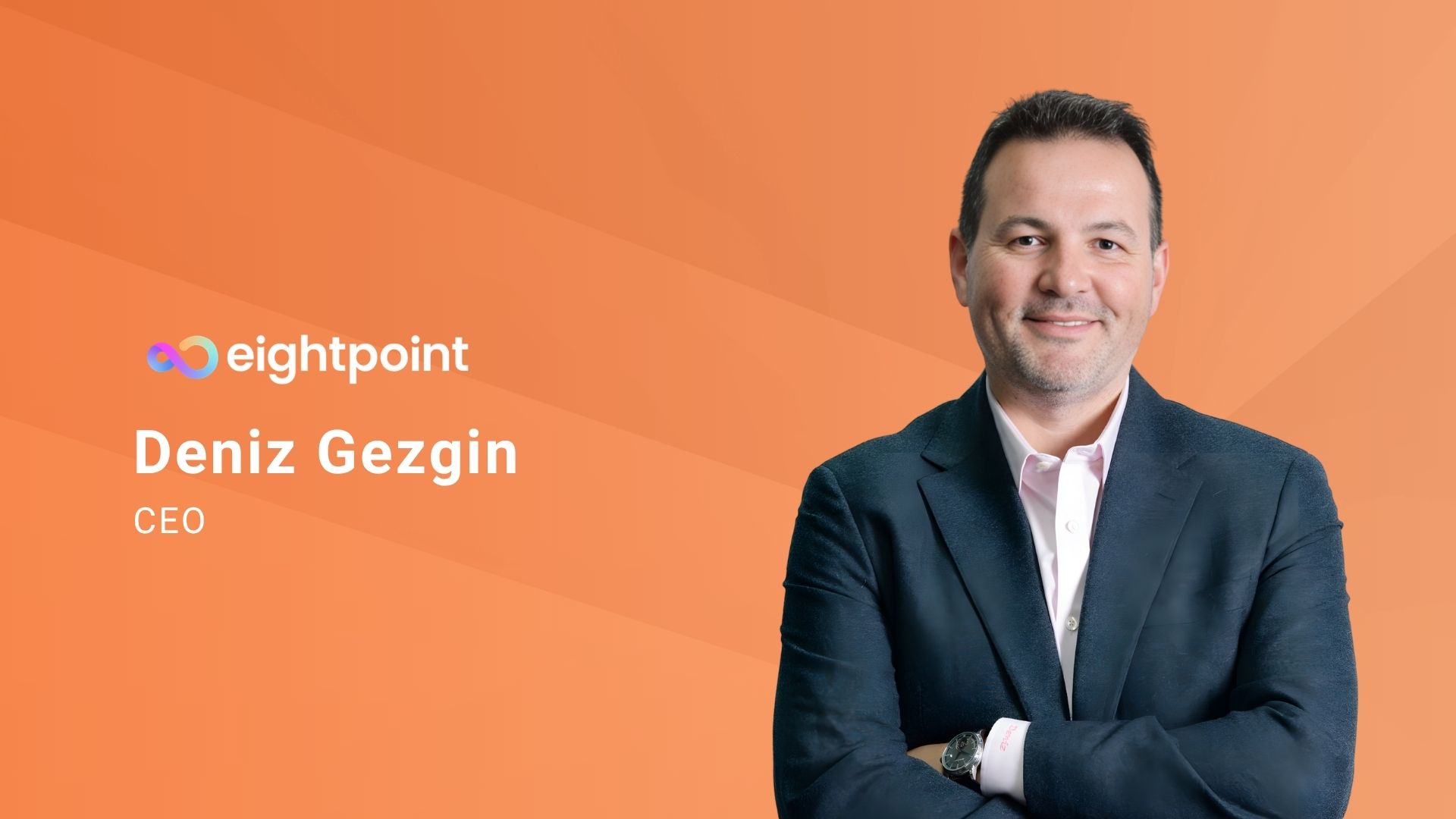
How Deniz Gezgin Is Positioning Eightpoint at the Center of Native’s Evolution

1. How has the adoption of native direct deals influenced your ability to reach target audiences?
At Eightpoint, native direct deals have fundamentally shifted us from distribution-driven monetization to intent-driven monetization.
Because we control high-frequency user touchpoints—browsers, launchers, and utility apps—we’re not just aggregating traffic, we’re capturing real-time behavioral intent signals at scale, particularly within the U.S. market.
Native direct deals allow us to activate those signals in a way that’s far more precise than traditional ad models. Instead of selling impressions, we’re enabling partners to engage users in context, at the moment of need, which significantly improves performance.
We’re already seeing native direct deals outperform traditional channels because they’re built on first-party behavioral data rather than inferred audience segments.
The result is simple: higher-quality engagement for advertisers, and a better, more relevant experience for users
2. What challenges have you faced integrating native direct deals?
The biggest challenge isn’t technical—it’s maintaining product integrity while scaling monetization.
At Eightpoint, we operate under a strict product-first philosophy. Our platforms are daily-use utilities, so any monetization layer has to feel native not just in format, but in function and timing.
This requires:
- Tight alignment between product, data, and partnerships
- Real-time decisioning infrastructure
- Continuous experimentation to balance revenue vs. user experience
The companies that struggle with native are treating it as an ad unit.
We treat it as a product layer—and that requires a very different level of discipline.
3. How do you evaluate advertising partners?
We look for partners who understand that performance comes from context, not just targeting.
Our evaluation framework is centered around three things:
- Data sophistication – Can they leverage intent signals, not just demographics?
- Optimization capability – Are they actively iterating based on performance?
- Transparency – Do they operate with clear, measurable KPIs?
The best partners don’t just run campaigns—they co-develop monetization strategies with us, adapting to how users actually behave inside our products.
That level of alignment is what drives long-term value on both sides.
4. How do you ensure native ads reach high-intent users?
Our advantage is structural
Unlike traditional publishers, our users are actively doing something—searching, navigating, organizing, or consuming utility-driven content. That creates a continuous stream of high-signal intent data.
We use that to:
- Identify moments of peak intent
- Match relevant commercial experiences to those moments
- Continuously refine placement and timing through data feedback loop
It’s less about serving ads and more about intercepting intent at the right moment.
When you get that right, engagement and conversion follow naturally.
5. How does native advertising fit into your broader strategy?
Native advertising is not a standalone revenue stream for us—it’s part of a broader ecosystem strategy.
Our goal is to build products that users engage with daily, and then layer in monetization in a way that:
- Enhances the experience
- Increases lifetime value per user
- Strengthens partner relationships
Because we control both the user experience and the data layer, native becomes a strategic advantage—not just a monetization tactic.
Over time, this allows us to move from transactional ad relationships to long-term, high-value partnerships
6. What role do native deals play long-term given demand for authenticity?
The industry is moving away from interruption-based advertising toward experience-integrated monetization.
Native direct deals are a key part of that shift—but they will evolve significantly.
The future isn’t just native placement—it’s:
- Personalized, AI-driven experiences
- Dynamic content that adapts to user behavior in real time
- Deeper integrations between brands and product ecosystems
At Eightpoint, we see native deals becoming more like product partnerships than ad buys.
The companies that win in this next phase will be the ones that can combine strong product surfaces, deep user data, and intelligent monetization layers.
That’s where we’re focused.
- Eightpoint website: https://eightpoint.io
- Deniz’s LinkedIn profile: https://www.linkedin.com/in/denizgezgin/




