
businessbusiness
Grief, Grit, and Growth - What Business Leaders Can Learn from Life’s Defining Moments

Introduction
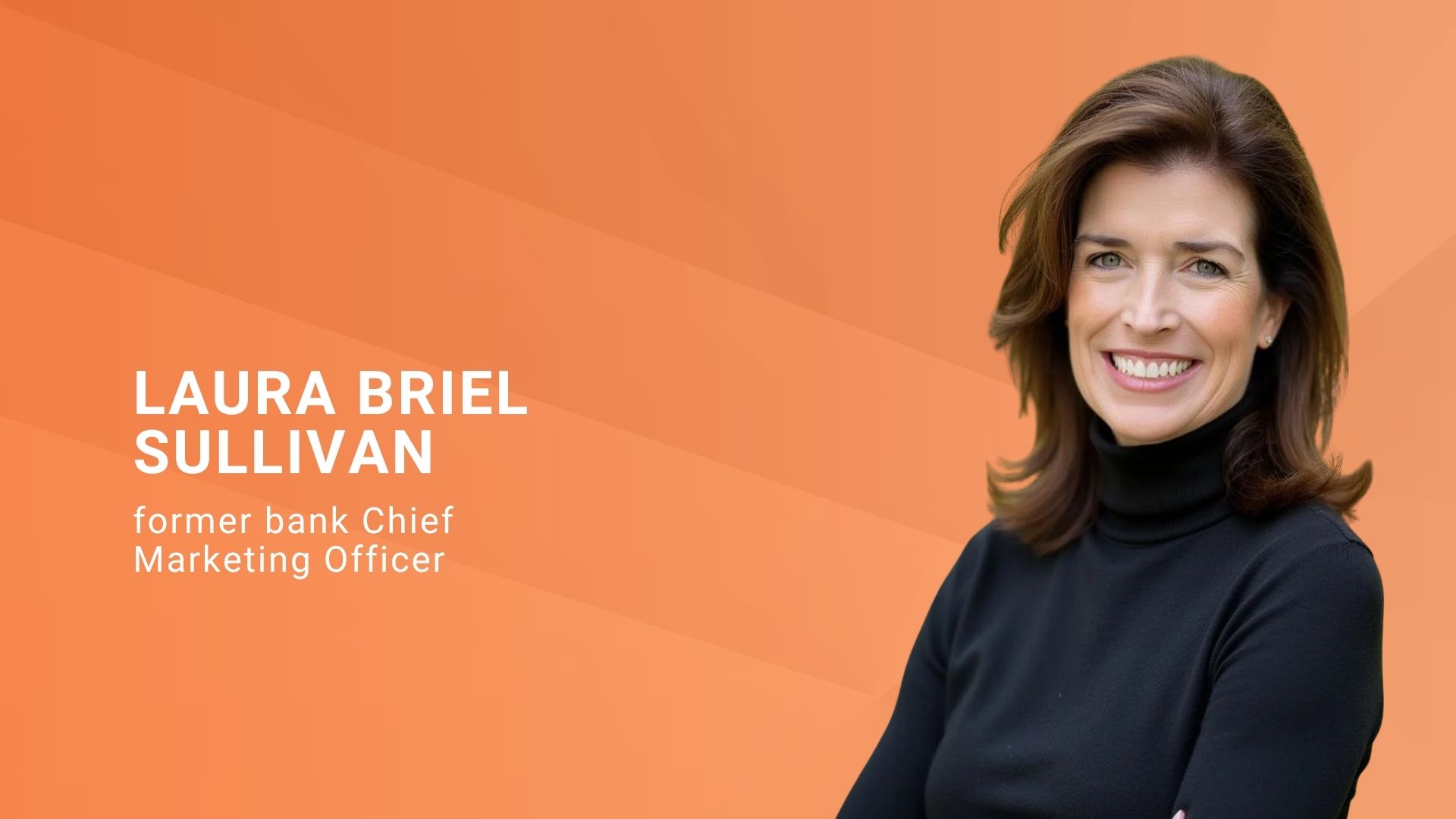
Laura Briel Sullivan, a former bank Chief Marketing Officer, turned author of Sailing with Angels: A Poetic Tale of Grief and Grace, brings a unique perspective shaped by more than 25 years in financial services and a personal journey into storytelling.
Her work explores how life transitions caregiving, loss, and career reinventions and how they can shape how people make decisions, build relationships, and move through the world.
Q1. You spent more than two decades in financial services, including at American Express. What led you to step into creative writing?
Storytelling was always there; it just waited its turn. I grew up surrounded by stories, from my grandmother’s index cards of family lore to my father’s “to be continued” bedtime tales.
Like many people, I built a career first. But over time, I found myself in a moment that’s very familiar to many in my generation -- supporting aging parents while still raising children and managing a career.
That experience shifts your perspective. It makes you think differently about time, relationships, and what really matters.
The book came from that place, and from a lifelong tradition of gifting books during meaningful moments. I wanted to create something simple -- a book you can read in minutes, but return to when you need it most.
Q2. You created not just one book, but a trilogy. Can you explain the concept and who each book is for?
The series is designed as three companion books, each reflecting life’s headwinds:
- Grief — Sailing with Angels
- Grit — Sailing with Alligators
- Growth — Sailing with Anglers
Each book is intentionally short, visual, and reflective, something a child can understand and an adult may need.
Sailing with Angels is often given in moments of loss, it’s quiet, comforting, and helps people process grief. Sailing with Alligators is about navigating difficult people and challenging environments, something we all encounter in life and work. Sailing with Anglers focuses on growth, mentorship, opportunity, and learning how to move through different seasons. Together, they’re meant to sit side by side.
Q3. Why create the books like you did?
Because some moments people value the unspoken words, to read and reflect on their own. In my family, books were always a gift for both hard and joyful moments. Over time, I noticed that the books people hold onto are the ones that meant something at the right time.
These books are designed to be that kind of object, something you can leave on a bedside table or coffee table, pick up in a quiet moment, and find something that resonates.
Q4. Many of your themes center on caregiving and generational relationships. Why is this so relevant right now?
There’s a significant generational shift underway. Many Gen X professionals are in the middle, of supporting parents while raising children, often from a distance. I lived that reality, and as an executive in financial services it shaped how I thought about supporting others through it. It changes how people think, feel, and make decisions. It resets priorities and reshapes time. It also brings something into focus: the most valuable inheritance is not financial, but the wisdom, habits, and perspective passed down over time. Now it is our turn to carry that forward, to support each other, and be for the next generation what our parents’ friends were for us. My hope is this fable resonates, reflecting the fog of grief, the lessons we carry, and how we learn to let go and move forward.
Q5. What can business and marketing leaders learn from this moment?
The biggest opportunity is understanding your audience in context and the challenges they face. The real advantage lies in blending human connection with data-driven insight to help people navigate life’s hardest moments, including loss. People don’t make decisions in isolation. In financial services, the picture is often unclear, with multiple people involved in supporting a client, making it harder to serve the primary decision maker while enabling the right support system around them. Decisions are made in the middle of real life: caregiving, transitions, milestones, loss. Organizations that recognize this and show up with relevance and empathy build stronger relationships, stronger cultures, and more engaged employees. It starts with understanding what matters most in a given moment. Given we are the midst of one of the largest generationals transitions, it is critical for businesses to really lean in to how to show up.
Q6. You’ve made a meaningful career pivot. What advice would you give to others considering a new path?
Careers aren’t linear. I have learned that they evolve. They “tack and jibe” depending on the conditions. For me, the realization was that I wasn’t starting over, but I was building on everything I had already learned. The skills from financial services and Amex -- discipline, empathy, strategic thinking -- carried directly into my writing.
If you’re considering a pivot, I would say to keep these three things in mind:
- Pay attention to what has stayed with you over time
- Trust that your skills translate
- And give yourself permission to try
You don’t have to abandon one path to explore another.
Q7. Your work also touches on the people who shape us Angels, Alligators, and Anglers. How should leaders think about that?
I tend to think in threes. Every life and career is shaped by three forces:
• What we learn from others
• How we build resilience
• How we learn to operate in the waters that suit us best
Great leaders focus on others sharing wisdom, encouraging resilience, and helping people find the waters where they can truly thrive.
Q8. What do you hope people take away from your books?
That connection is what lasts. I have come to think of it as the fairy dust of generational alchemy, the way wisdom, stories, and care move from one generation to the next and shape who we become. Whether in families or at work, it is the relationships we build and the stories we carry forward that stay with us. They influence how we lead, how we support one another, and how we navigate change. My hope is that people feel called to carry that forward, to be part of that chain for someone else.
Q9. How did your career shape the way you identified the audience and need for this book?
My career taught me to start with three questions: who is the audience, how large is it, and what problem are they facing. At work, I was constantly challenging my team to think through the impact of the massive generational shift underway. How can we help? How can technology play a role? What conversations should we be having?
For me, it was also deeply personal. I spent the past decade navigating the end of life for my parents, and I saw how many of my peers are in that same season. At the same time, I felt the loss of the people who had guided me, which raised a new question: how do we step into that role for the next generation while supporting one another now?
I was fortunate. My grandmother and my parents gave me a steadying gift, a sense of faith and the courage to have honest conversations about death. That shaped this book. I wanted to create an approachable way into that conversation, one that reflects the experience so many of us are living through and helps open the door to connection and support.
Q10. These stories have a strong sense of place. Are they based on real places and people?
They are. Sailing with Angels is deeply rooted in Edgartown, Massachusetts, where I grew up. Many of the characters are inspired by real people, shaped with creative license and brought to life through names like the Tinkerer, the Alchemist, and the Harbormaster. Some of their backstories trace to remarkable lives, including a founder of CVS, an innovator in lacrosse stick manufacturing, and someone involved in casting locals for Jaws.
As the series continues, I take more creative freedom. The later books move to the bayou and across different fishing landscapes, from deep sea to river bends to ice. I had a lot of fun with characters like the Alligator Hunter and the Bayou Broadcaster, and even more learning along the way.




