
marketingadvertising
Creative Over Signals: Rethinking Attention as Performance Across Omnichannel Advertising

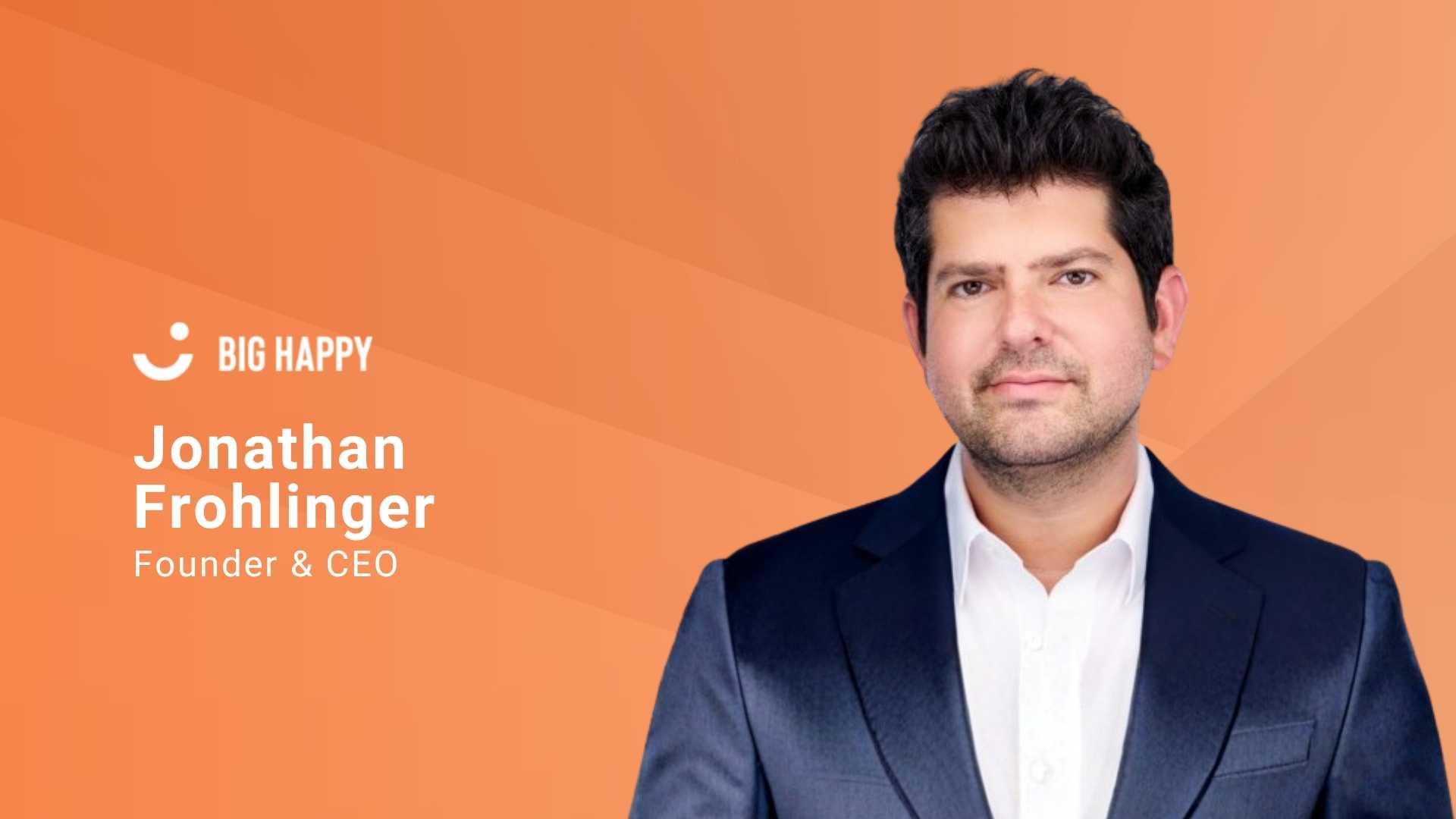
Author: Jonathan Frohilinger, Founder and CEO of Big Happy
How is fragmentation across DOOH, mobile, and retail media impacting marketers today?
Fragmentation across DOOH, mobile, and retail media has created a more complex, noisy landscape, with countless data signals and platforms all competing to drive performance. But marketers are starting to realize that signals alone aren’t enough. Without strong creative, optimization falls flat. The brands that stand out are the ones using creative to cut through the noise and deliver messages that actually connect with people in the moment.
What are the biggest challenges brands face when trying to unify these channels?
It’s too many moving parts and not enough cohesion. You’ve got different teams handling creative, media, and measurement, and they’re not always working in sync. Even if the idea is strong, it can break down in execution. The opportunity is simplifying that process so the idea carries through instead of getting lost between partners.
How can advertisers create a more seamless omnichannel experience across these touchpoints?
It comes down to continuity. The experience should feel like one idea moving across channels, not separate campaigns stitched together. If someone sees something in DOOH, there should be a natural next step on mobile. When that flow is intentional, it feels less like advertising and more like something that actually makes sense to engage with.
What role does data play in bridging the gap between DOOH, mobile, and retail media?
Data is important, but there’s almost too much of it now. Everyone has access to similar signals, similar targeting, similar optimization. The real value is using data to support the experience, not define it. When it’s used correctly, it helps connect exposure to action, but it can’t replace what actually makes someone pay attention in the first place. which is the creative.
Are there specific technologies or platforms helping reduce fragmentation effectively?
The ones that work are bringing everything closer together, creative, distribution, and measurement. Speed is a big part of that. If it takes months to build something and then longer to get it live, you’ve already lost the moment. The shift is toward systems that can move faster and keep everything connected from the start and deliver results in days.
How can brands better measure ROI across multiple channels without siloed data?
It’s about looking at the full path, not individual channels. When you connect DOOH exposure to mobile engagement and real-world behavior, you start to see how everything works together. That’s when measurement becomes meaningful instead of just reporting on isolated pieces.
What trends are you seeing in programmatic advertising across DOOH and mobile?
Programmatic is evolving from just automating delivery to actually connecting channels. DOOH is becoming more measurable, mobile is capturing that follow-on behavior, and together they’re starting to show real lift when used properly. The more those pieces work together, the more effective the system becomes.
How important is personalization when connecting retail media with DOOH and mobile campaigns?
Personalization matters, but it’s less about over-targeting and more about relevance. If you’re in the right place at the right time with something that actually resonates, that’s what drives action. Overcomplicating it with too many variations or signals can actually make things harder to execute effectively.
What advice would you give to marketers just starting to integrate these channels?
Start by understanding where your audience is in the real world and how your brand can show up meaningfully in those everyday moments. Then focus on creative that is contextually relevant, not just reaching people but actually capturing attention and leaving an impression. Most importantly, treat these touchpoints as opportunities to create engaging, memorable experiences that bring a bit of energy and delight to their day.
Looking ahead, how do you see the future of unified advertising across DOOH, mobile, and retail media evolving?
It will be less about channels and more about how quickly you can move from capturing attention to driving action. The signals will continue to look more similar across platforms, so the difference comes down to what actually makes someone stop and engage. The advantage will sit with brands that can do that consistently and move quickly across environments.




