Featured Articles

Selecting and Tracking the Right KPIs for Your Business
analytics7 Aug 2023
In the dynamic landscape of modern business, monitoring your organization’s performance is essential to stay on course and achieve your goals. KPI tracking involves the ongoing measurement and analysis of Key Performance Indicators (KPIs), specific metrics selected to assess the success of businesses, projects, or goals. This process encompasses defining relevant metrics and targets, collecting data, analyzing trends, and presenting insights through reports and visualizations, enabling stakeholders to make informed decisions, identify areas for improvement, and align activities with overarching objectives.
Today, we’ll walk you through the importance of KPIs, how to choose the right ones and the best practices for effective tracking. Dive right in!
Understanding KPIs
Key Performance Indicators (KPIs) are quantifiable metrics that gauge the success of your business objectives. They provide a clear snapshot of your performance, helping you make informed decisions. KPIs can span various aspects of your business, from sales and marketing to customer service and finance. The key is to align them with your goals and values.
Selecting the Right KPIs
Choosing the right KPIs is crucial. Begin by defining your goals – whether it’s increasing revenue, improving customer satisfaction, or enhancing operational efficiency. Once your objectives are clear, identify the relevant KPIs. For instance, metrics like page views, bounce rate, and conversion rates become essential if your goal is to boost website traffic.
SMART Approach
Adopt the SMART (Specific, Measurable, Achievable, Relevant, Time-Bound) approach when selecting KPIs. Specificity ensures clarity, measurability enables tracking progress, achievability sets realistic expectations, relevance keeps you focused, and time-bound nature adds urgency to your efforts.
Data Collection and Analysis
Accurate data forms the foundation of effective KPI tracking. Employ reliable tools to gather data, such as Google Analytics for website metrics or CRM software for sales data. Regularly analyze this data to identify trends and patterns. This analysis guides your strategic decisions and highlights areas needing improvement.
Setting Benchmarks
Benchmarks are reference points that indicate the level of performance you aim to achieve. They provide context to your KPIs, helping you assess whether your performance is on track or needs adjustment. Industry standards, historical data, or competitor performance can all serve as valuable benchmark sources.
Visualization and Reporting
Translating raw data into understandable insights is essential. Visual aids like graphs, charts, and dashboards make complex data easily digestible. Regular reporting keeps stakeholders informed and fosters transparency within your organization.
Adaptation and Continuous Improvement
Business environments evolve, and so should your KPIs. Regularly reassess your KPIs to ensure they remain aligned with your current goals. Embrace flexibility and be ready to tweak or change KPIs as your business landscape changes.
Conclusion
Tracking KPIs isn’t just a business practice – it’s an art that demands precision, strategic thinking, and adaptability. By carefully selecting, tracking, and adapting your KPIs, you’ll be equipped to steer your organization toward success. Remember, it’s not just about the numbers; it’s about the insights and actions they inspire. Here’s to informed decision-making and achieving your loftiest business aspirations!
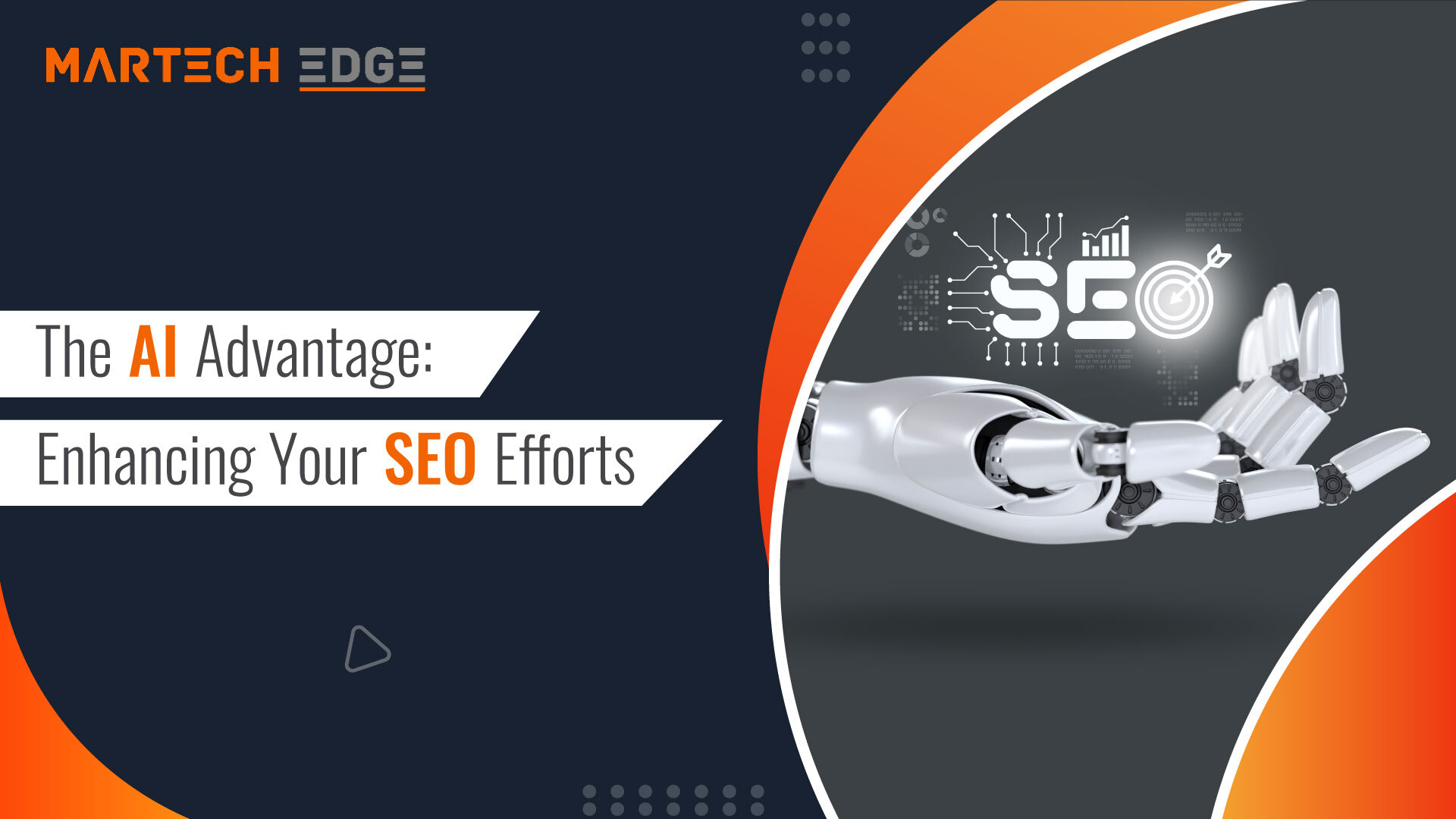
The AI Advantage: Enhancing Your SEO Efforts
artificial intelligence31 Jul 2023
In today’s digital age, staying ahead of the competition in the online world is crucial for businesses and individuals alike. With millions of websites vying for attention, mastering search engine optimization (SEO) has become necessary to ensure your online presence receives the visibility it deserves. But as the landscape continuously evolves, so do the tools and techniques available to optimize your website for search engines. AI in SEO opens up a world of possibilities, from automating time-consuming tasks to providing invaluable insights into user behavior and search trends. By leveraging these technologies, SEO professionals can gain deep insights, optimize their websites, and stay ahead of the ever-changing search engine algorithms.
In this blog, we will explore how AI can be harnessed to take your SEO strategies to the next level.
Understanding AI in SEO
AI can identify trends and user behavior by analyzing vast data to improve decisions and search rankings. You can process massive datasets, including search engine algorithms that help identify keywords with high search volumes, user intent behind search queries, and content gaps on your website. It can identify potential link-building opportunities, evaluate the quality of backlinks, and detect harmful links that could impact website SEO performance. It can also analyze images and videos, enabling better image optimization and alt text generation. It is also helpful to identify technical SEO issues such as crawl errors, broken links, and site speed problems.
Addressing Concerns & Limitations
While the integration of AI and SEO brings a lot of opportunities and benefits, it’s essential to acknowledge some limitations that may arise:
Ethical Considerations
The line between human-generated and AI-generated content can sometimes become blurred as technology advances. Ethical concerns may arise when AI is used to create content without proper disclosure. To address this, it’s vital to indicate when AI-generated content is used and ensure transparency with your audience.
Algorithm Bias
AI algorithms are only as good as the data they are trained on. Biases present in training data can influence AI-driven SEO strategies. For instance, biased training data may lead to content that caters to a specific demographic while neglecting others. Regularly reviewing and refining AI algorithms is crucial to mitigate bias and fairness in your SEO efforts.
Limited Contextual Understanding
While AI has made significant strides in understanding natural language, it still needs help with nuanced context, humour, and cultural references. Therefore, it’s vital to ensure that AI-generated content aligns with your brand voice and messaging to maintain authenticity.
Technical Expertise & Costs
Implementing AI in SEO requires technical knowledge that some businesses need to gain. You can seek assistance from AI experts and collaborate with AI-focused agencies to help overcome this limitation. AI solutions can also be expensive, especially for smaller businesses. You can assess the cost-benefit ratio of AI integration, and consider starting with more accessible AI tools before investing in advanced solutions.
Future Trends: AI & SEO
As AI technology continues to evolve, several key trends are likely to shape the landscape of SEO in the coming years:
Link-Building Strategies & Predictive Analysis
AI will aid in high-quality link-building opportunities, evaluating the relevance and authority of potential link sources. It will become more data-driven, leading to better link acquisition. AI will also play a significant role in predictive analysis, forecasting future search trends, and user behavior. You can anticipate shifts in the market, adjusting your SEO strategies accordingly.
Local SEO & SEO Audits
To enhance local SEO efforts, AI helps you target specific geographic areas effectively. The algorithms can assist you in understanding local search intent and help deliver location-based content, boosting visibility for targeting local customers. AI will also help you conduct SEO audits of websites, providing actionable recommendations for optimizing content, technical aspects, and overall, SEO performance.
Conclusion
By leveraging AI in their SEO strategies, businesses can gain competitive edge and stay at the forefront of the evolving search landscape. The AI advantage is not just a catchy phrase; it represents a reality for those willing to harness the potential of AI in their SEO endeavours. Businesses must embrace AI as a strategic ally with the right blend of human expertise and technological advancements. In that case, it will help climb the search engine ranks and reach a broader audience.
Customer-Centricity in 2023: Unveiling the True Significance of Value
customer experience management25 Jul 2023
In the dynamic world of online business, where customer preferences and expectations are constantly in flux, the significance of customer experience (CX) has never been more paramount. Companies have long strived to decipher the elusive concept of "value" in CX to gain a competitive edge. As we find ourselves in 2023, it becomes evident that the meaning of "value" has evolved, giving rise to a new era of customer centricity.
Traditionally, the notion of "value" in CX was often linked to competitive pricing, discounts, and the allure of product features. While these aspects were crucial in capturing customer attention, the modern consumer landscape has transformed profoundly. Today's digitally empowered customers have ushered in an era where transactions alone are no longer sufficient to ensure customer loyalty and advocacy.
This blog aims to shed light on the evolving meaning of "value" in customer experience in 2023.
Beyond Transactional Benefits: The New Dimensions of Value
In customer experience, businesses realize the value beyond the transactional benefits. As a result, a new set of dimensions of value has emerged:
Emotional Value
Customers are drawn to brands that evoke positive emotions and create a sense of belonging. Whether personalized communication, empathetic support, or inspiring brand stories, you can forge emotional connections with your customers to gain loyalty. In 2023, you must focus on understanding your customer's emotions and aspirations, crafting CX that resonate on a deeper, emotional level.
Experiential Value
It encompasses every touchpoint a customer has with the brand, from website interface, in-store interactions, and post-purchase follow-ups. In 2023, you should invest in creating seamless, delightful experiences that leave a lasting impression on the customers resulting in satisfaction and word-of-mouth referrals. Customers no longer perceive value solely through the lens of a product or service. They now place importance on the overall experience.
Value of Purpose & Time
Whether it's social responsibility, environmental sustainability, or ethical business practices, embracing a purpose-driven approach allows you to connect with like-minded customers who share your values. Along with that, time has become a precious commodity for customers. You can save their time by automating processes, offering self-service options, and providing quick resolutions. It will demonstrate respect for their busy lives and enhance their perception of value.
Overcoming Challenges in Delivering Value-Centric Experiences
Delivering value-centric experiences is crucial for businesses looking to thrive in 2023. Here are some challenges and strategies for overcoming them:
Balancing Personalization with Privacy Concerns
Customer privacy becomes a significant concern as you gather customer data to personalize experiences. Striking the right balance between them is essential. You must implement data protection measures, be transparent about data usage, and offer customers control over their data. Ensure compliance with data protection regulations to build trust with customers.
Maintaining the Human Touch Amid Automation
While automation improves efficiency, it must not come at the cost of losing the human touch. Integrate automation to handle routine tasks, but maintain channels for customers to connect with real people when they need personalized assistance. Train customer service representatives to address complex issues with empathy and understanding.
Managing Customer Expectations
As you strive to deliver exceptional value, customer expectations may soar. Managing these expectations is crucial to avoid disappointments. Set expectations during the pre-purchase phase and ensure marketing messages align with the actual CX. Be honest about any potential limitations and challenges.
Measuring Value-Centric Experiences
Quantifying the impact of value-centric experiences can be challenging. Implement key performance indicators that reflect a value-driven approach, such as customer satisfaction scores, Net Promoter Score (NPS), and customer lifetime value. Regularly analyze data and feedback to assess the effectiveness of your initiatives and make data-driven improvements.
Conclusion
Delivering value-driven CX is not just a trend but a fundamental shift in how you engage with your customers. By embracing this shift and prioritizing new value dimensions, you can build lasting customer relationships and achieve long-term success in 2023 and beyond. The journey toward exceptional CX remains rewarding as you continue evolving and adapting.
Hyper-Personalization: Ensure Your Marketing Emails Don’t Go Overlooked
email marketing21 Jul 2023
In a digital landscape teeming with marketing emails, standing out and capturing your subscribers’ attention can seem impossible. As marketers, we invest hours meticulously crafting emails, only to see them lost in the endless abyss of unread messages. But fear not! The key to unlocking the true potential of your email campaigns lies in the art of hyper-personalization. Let’s delve into the transformative principles that can turn your marketing emails into shining stars in your subscribers’ inboxes.
Adding a Personal Touch
Remember the days of generic greetings that did little to connect with the recipient? Those days are long gone. Embrace the power of personalization by addressing your subscribers with their first names. This seemingly small gesture adds a touch of familiarity, making your audience feel valued and appreciated. As the age-old adage goes, “A person’s name is the sweetest sound they can hear.” By applying this simple tactic, your emails will undoubtedly forge a deeper connection with your readers.
Tailoring Content for Maximum Impact
The one-size-fits-all approach to email marketing is now obsolete. Instead, embrace segmentation, a powerful tool that divides your audience based on preferences, demographics, and behaviors. This thoughtful division allows you to tailor content to specific groups, ensuring that each subscriber receives messages most relevant to their interests. By showing that you understand and cater to their unique needs, your emails will resonate much deeper, fostering a sense of loyalty and appreciation.
Utilizing Insights to Drive Personalization
Data is the backbone of effective hyper-personalization. The wealth of information provides valuable insights into your audience’s interests, purchase history, and engagement patterns. Through thorough analysis, you can gain a profound understanding of what makes your subscribers tick. With this knowledge, you can create personalized content that caters to their needs and desires, ultimately leading to higher engagement rates and conversions.
Sending Emails at Optimal Moments
In the fast-paced digital world, timing is pivotal in email marketing success. Pay close attention to your audience’s habits and time zones to determine the most opportune moments for sending your emails. An email delivered at the right time increases the likelihood of being opened, read, and acted upon. By showing consideration for your subscribers’ daily routines, you demonstrate respect for their time, enhancing the chances of positive engagement.
Crafting Engaging Subject Lines
Your subject line acts as the gateway to your email’s content. Aim to create compelling, informative subject lines that pique your audience’s curiosity without using clickbait tactics. A well-crafted subject line sets the tone for your message and entices recipients to explore further. By providing a glimpse of the value within your email, you encourage higher open rates and greater interest in your brand.
Delivering a Clear and Impactful Message
In an age where information overload is a daily struggle, brevity is a virtue. Craft concise and focused emails that convey your message clearly and efficiently. Respect your audience’s time by presenting valuable content without unnecessary fluff. In doing so, you demonstrate professionalism and earn their appreciation, further strengthening your brand’s reputation.
Conclusion
In the ever-evolving world of email marketing, hyper-personalization emerges as a dynamic and indispensable facet. Your emails will rise above the digital noise by incorporating personalized greetings, strategic segmentation, data-driven insights, well-timed delivery, captivating subject lines, and succinct messaging. Engaging and resonating with your audience personally is the key to unlocking the true potential of your marketing emails.

Unlocking eCommerce Opportunities: Embracing Martech for Competitive Moat
ecommerce and mobile ecommerce20 Jul 2023
In today’s digital age, the eCommerce industry has become a critical pillar of global commerce. Consumers are increasingly turning to online platforms, making It essential for businesses to establish a strong online presence. To stand out from the crowd, you must leverage the power of technology in your marketing strategies. Martech plays a pivotal role in transforming traditional marketing approaches into data-driven, customer-centric, and highly efficient processes. Embracing martech can unlock a plethora of eCommerce opportunities, enabling you to reach your target audience more effectively, provide a personalized solution, and drive revenue growth.
The purpose of this blog is to shed light on the benefits of adopting martech in the eCommerce realm.
Why eCommerce Businesses Should Invest in Martech
Investing in martech can bring a multitude of benefits for eCommerce businesses, empowering them to thrive in the digital marketplace. Here are the reasons why martech is crucial for success:
Multichannel Market Integration
Customers interact with brands across multiple channels, such as website, social media, email, and mobile apps. Martech facilitates seamless integration across these channels, enabling you to deliver consistent messaging and brand experiences. This unified approach, known as omnichannel marketing, enhances brand recognition, engagement, and customer loyalty.
Improved Customer Support & Interaction
Tools like chatbots and virtual assistants offer real-time customer support and assistance. These automated chat systems can handle common queries, guide customers through purchasing process, and provide instant responses, enhancing overall customer experience. Timely and helpful support builds trust and encourages repeat business.
Enhanced Targeting & Segmentation
Martech allows you to segment your audience based on demographics, behavior, and purchase history. This segmentation enables more targeted marketing campaigns, ensuring that the right message reaches the right audience at the right time. Improved targeting leads to higher conversion rates and marketing ROI.
Measurable ROI & Performance Tracking
Martech platforms offer comprehensive analytics and reporting features, allowing you to track the performance of the campaigns real-time. This transparency enables you to assess the ROI of your marketing efforts, identify areas for improvement, and optimize strategies.
Embracing the Future: Martech Trends in eCommerce
Here are some of the key martech trends that are likely to shape the eCommerce landscape in the coming years:
Artificial Intelligence (AI) Advancements
AI will play a pivotal role in martech for e-commerce. AI-powered algorithms will continue to enhance customer segmentation, personalization, and predictive analysis. AI-driven chatbots and virtual assistants will become even more sophisticated, providing hyper-personalized customer support and recommendations.
Hyper-Personalization & Contextual Marketing
The future will see an even greater emphasis on hyper-personalization, using real-time data and contextual information to deliver relevant and personalized marketing messages. You can leverage AI and machine learning to understand customer intent and deliver tailored content.
Progressive Web Apps (PWAs)
PWAs combine the best of website and mobile apps, offering fast-loading, responsive, and engaging user experiences. As eCommerce businesses seek to improve mobile conversion rates, PWAs will become increasingly popular, providing an app-like experience without the need for a traditional app store download.
Cross-Channel Attribution & Unified Analytics
The focus on omnichannel marketing will lead to cross-channel attribution models. Martech tools will integrate data from various touchpoints to provide a comprehensive view of the customer journey, enabling better attribution and marketing optimization.
Conclusion
The road to unlocking eCommerce opportunities lies in embracing martech for a sustainable competitive advantage. The landscape of digital commerce is constantly evolving, and businesses that adapt, innovate, and invest in martech will thrive. Moreover, adhering to ethical marketing practices and addressing privacy concerns will foster long-term relationships. So, embrace martech, and the world of eCommerce will be yours to conquer.

Understanding Nuances in Buyer's Journey
customer experience management17 Jul 2023
In the dynamic landscape of modern marketing, comprehending the buyer’s journey to the bone is essential for businesses seeking to connect with their target audience effectively. However, the buyer's journey is not a linear path but rather a complex process influenced by buyer’s preferences and motivations. To truly grasp the intricacies of this journey, it is essential to delve deeper into the nuances that shape and guide buyer behavior.
This blog aims to shed light on these nuances and provide valuable insights into understanding your customers’ buyer’s journey.
Understanding Buyer Personas
In order to understand the buyer’s journey, you need to grasp the concept of buyer personas. They are the fictional representations of your ideal customers, based on research and data about your target audience.
Understanding buyer personas is crucial for certain reasons. Firstly, it helps you to identify and prioritize your target audience. By defining specific buyer personas, you can focus your efforts on the most relevant and valuable customer segments, maximizing the chances of success.
Secondly, buyer personas help you empathize with your customers. By delving into their needs, and pain points you develop a deeper understanding of your customers' perspectives. This empathy enables you to create more relevant and compelling marketing messages, content, and product solutions that resonate with your target audience.
Addressing Nuances in the Buyer's Journey
Different Buyer Motivations and Pain Points
Each buyer has unique motivations and pain points driving their purchasing decisions. It's essential to identify and understand these factors to tailor your messaging and solutions accordingly. Conduct market research, gather customer insights, and analyze data to uncover the specific needs and challenges of different buyer segments.
Varying Decision-Making Processes
Buyers go through diverse decision-making processes. Some may be more analytical and require extensive research and comparisons, while others prioritize convenience or social proof. Adapt your sales approach by providing the right information, social proof, or personalized experiences to cater to different decision-making styles.
Influences of External Factors
External factors, such as economic conditions, industry trends, or cultural influences, can significantly impact the buyer's journey. Stay updated on industry developments and be aware of the broader context in which your customers operate. Adjust your marketing strategies to align with these external dynamics and address any challenges or opportunities they present.
Techniques for Understanding the Buyer's Journey
Analyzing Website Analytics and User Behavior
Utilize tools like Google Analytics or other web analytics platforms to track user interactions on your website. Analyze data such as page views, time spent on pages, click-through rates (CTRs), and conversion rates to gain insights into how users navigate through your site and where they may encounter barriers or drop off. This information can help you optimize your website and identify areas for improvement in the buyer's journey.
Leveraging Customer Relationship Management (CRM) Systems
Implement a CRM system to centralize customer data, track interactions, and gain a holistic view of each customer's journey. CRM platforms allow you to track touchpoints, communication history, purchase history, and customer preferences. By analyzing this data, you can identify patterns, segment your audience, and tailor your marketing efforts to each stage of the buyer's journey.
Utilizing Social Listening and Sentiment Analysis
Monitor social media channels, review platforms, and online forums to gain insights into customer sentiment and discussions related to your brand, industry, or products. Social listening tools enable you to track keywords, mentions, and sentiment analysis, providing a deeper understanding of how customers perceive your brand and their experiences throughout the buyer's journey. Use these insights to refine your messaging and address any concerns or opportunities that arise.
Conclusion
Exploring and completely decoding the nuances of buyer’s journey enable you to deliver personalized and engaging experiences to your target audience. Consequently, it leads to customer satisfaction, higher conversion rates, and long-term loyalty. As the marketplace continues to evolve, monitoring and adapting to the buyer’s journey will remain crucial in staying competitive and meeting customer expectations.

5 Ways to Leverage DAM For Your Omnichannel Marketing
digital asset management12 Jul 2023
People want to experience a brand in store or online, with the same quality across platforms and touchpoints. Omnichannel marketing aims to deliver just that - a customer journey and experience that is coherent across multiple channels. For example, if you are shopping grocery online, you will likely be able to view the same product in the brand store and eventually pay for the product via their online application. This seamless experience contributes to the popularity and success of omnichannel marketing. This is unlike multichannel marketing - a subset of omnichannel marketing, which involves unique communication and journey from each channel to the customer without necessarily having any connection between any or all of the channels. If you want to enhance the overall customer experience, an omnichannel strategy can help you improve the bigger picture.
Brand consistency - the principle of omnichannel marketing, can greatly leverage the services of Digital asset management (DAM). Let us explore the key benefits and strategies behind streamlining omnichannel campaigns with DAM integration, providing actionable insights for decision-makers seeking to enhance their marketing efforts.
Integrate DAM into your Martech Stack to Streamline Omnichannel Marketing
As someone responsible for driving marketing strategies, you would understand that one of the main challenges when it comes to omnichannel is being able to create that unified experience. The proliferation of digital assets across various channels demands a streamlined approach that ensures brand consistency, maximizes asset utilization, and enhances campaign effectiveness. Let’s explore how integrating Digital Asset Management (DAM) with your marketing efforts can revolutionize your omnichannel strategies, making them more effective and efficient.
Enhanced Efficiency and Consistency
By centralizing digital assets within a DAM system, marketers gain a single source of truth for content. This eliminates the need for manual searching and ensures that the latest, approved assets are readily accessible. Marketers can swiftly locate, organize, and distribute assets across multiple channels, saving valuable time and minimizing errors or outdated content. Consistency in branding, messaging, and imagery is maintained, resulting in a cohesive customer experience across all touchpoints.
Seamless Collaboration and Workflow
DAM integration enables teams to collaborate seamlessly by providing a centralized platform for asset creation, review, and approval. Team members across different departments or locations can access and contribute to assets, reducing bottlenecks and enhancing productivity. With automated workflows, notifications, and version control, marketers can ensure that the right assets are used at the right time, minimizing errors and expediting campaign execution.
Personalization at Scale
Omnichannel campaigns require personalized content to engage and resonate with customers across various touchpoints. DAM integration within Martech empowers efficient personalization at scale. Marketers can tag assets with relevant metadata, allowing for targeted asset retrieval based on specific campaign requirements. By leveraging DAM's capabilities, marketers can quickly adapt and repurpose assets for various channels and customer segments, ensuring personalized experiences while maintaining brand consistency.
Optimized Distribution and Channel Management
Marketers can easily distribute content to websites, social media platforms, email marketing systems, mobile apps, and more. DAM ensures assets are correctly formatted for each channel and can be optimized for specific devices, reducing the need for manual adjustments. Marketers can effectively manage assets, update content across channels, and measure performance through unified analytics dashboards.
Measurement and Data-Driven Insights
To optimize omnichannel campaigns, data-driven insights are essential. DAM integration within Martech provides valuable analytics and reporting capabilities. Marketers can track asset usage, engagement, and conversions across channels. This data helps measure the effectiveness of assets, campaigns, and customer journeys. By analyzing the insights gained from DAM, marketers can make data-driven decisions, optimize content, and enhance overall marketing ROI.
Conclusion
In essence, streamlining omnichannel campaigns with DAM allows businesses to efficiently manage and distribute content across multiple touchpoints. The centralized storage, collaborative workflows, personalization capabilities, and optimized distribution provided by DAM integration enhance efficiency, consistency, and customer experiences. Decision-makers in companies must recognize the benefits of DAM integration and embrace it as a strategic tool to drive successful omnichannel campaigns. By leveraging DAM integration within their Martech stack, companies can elevate their marketing efforts, provide seamless customer experiences, and achieve marketing success in today's competitive landscape.

Social Listening: Gather Everything Your Audience Scatters
customer intelligence10 Jul 2023
Social media has become a powerful force that shapes brand perception and provides valuable insights into customer behavior. With millions of users sharing their thoughts, opinions, and experience online, businesses have a unique opportunity to tap into the wealth of information. This is where social listening comes into play. It is a strategic approach that allows you to understand and engage with your audience on social media platforms. It goes beyond just monitoring mentions and comments and delves into the deeper layers of customer sentiment, preferences, and needs. By actively listening to what people are saying about your brand and industry, you can gain valuable insights that helps you to optimize marketing strategies, product development, and customer experience initiatives.
In this blog, we will explore the importance of social listening and how it helps to understand and engage with your audience.
Now let us understand, how social listening empowers your business and helps you to stay connected in the digital age.
Enhancing Brand Reputation and Customer Experience
Social listening plays a crucial role in providing valuable insights and enabling proactive engagement. Here’s how social listening helps in achieving these goals:
Monitoring Brand Sentiment
Businesses need to monitor customer conversations, mentions, and sentiment around the brand on social media platforms. By tracking what audiences are saying, you can quickly identify positive and negative sentiment, which enables you to address customer concerns, resolve issues, and capitalize on positive feedback. Through social listening, you can also respond to inquiries, comments, and feedback in a timely manner. This proactive approach can foster positive relationships, and enhances overall customer experience.
Online Reputation Management
Negative online reputation can make or break your brand. Social listening helps businesses detect potential crisis regarding customer sentiment surrounding your brand early on. By monitoring conversations and mentions, you can promptly address any issues, mitigate reputational damage, and take necessary actions to rebuild trust with customers. Proactive crisis management through social listening helps in maintaining a positive brand reputation.
Leveraging Brand Advocates
Influencers and brand advocates help gain recognition among the customers by actively engaging with the brand. Social listening allows businesses to identify these brand advocates who are regularly engaging with the brand on social media. By leveraging them, you can amplify your brand message, reach a wider audience, and promote positive brand sentiment. Collaborating and nurturing relationships with the brand advocates can enhance brand reputation and customer experience.
Best Practices of Social Listening
Businesses need to understand how to use social listening effectively. Here are some best practices of social listening to follow:
Listen to the Right Audience & Analyze Data in Real-Time
Understand your target audience and focus your social listening efforts on specific demographics, locations, and segments that are most relevant to your business. This will help you gather insights from right sources. It can be done by leveraging tools and technologies that offer real-time data analysis capabilities. It helps in staying updated on customer conversations and addressing the inquiries and concerns accordingly.
Track Competitors and Industry Trends
Use social listening to monitor conversations about your competitors and keep up with the latest industry trends. This will help you to identify opportunities, and adjust your marketing strategies accordingly. It can be achieved by collaborations across departments such as customer service, product development, and sales, to gather diverse insights and take actions based on data collected.
Respect Privacy & Ethical Considerations
Ensure that your social listening tactics comply with privacy regulations and ethical guidelines related to data privacy and security. You need to respect user privacy and obtain necessary permissions while engaging with individuals or using their data.
Conclusion
In a world where customers have a multitude of options and their voices can be heard instantly, social listening has become an essential component of any successful marketing and customer engagement strategy. It empowers businesses to gather valuable information, drive customer-centric strategies, and foster meaningful customer relationships. By embracing social listening as a core component, businesses can achieve long term success in the dynamic digital landscape.
Page 20 of 22
Most Recent
The Real Cost of Martech Sprawl: How Many Tools Is Too Many?
MTE Staff Writer

How Do You Measure ROI on a Campaign an AI Agent Built End-to-End?
MTE Staff Writer

Cookieless Marketing: How First-Party Data Strategies Are Performing
MTE Staff Writer

Building a High-ROI Email Marketing Budget for 2026
MTE Staff Writer

Email Marketing ROI: Why It Should Be in Your 2026 Marketing Budget
MTE Staff Writer

How to Justify Email Marketing Spend in Your 2026 Marketing Budget
MTE Staff Writer

Why Brand Consistency Is the Biggest Challenge in Agentic Marketing
MTE Staff Writer