
marketing artificial intelligence
RingCentral Expands RingCX to Manage AI and Human Contact Center Agents
 Business Wire
Published on : Oct 29, 2026
As businesses deploy AI agents to handle more customer service interactions, contact center managers face a new operational challenge: monitoring automated systems with the same oversight applied to human employees. RingCentral is addressing that gap with new capabilities in its RingCX customer engagement platform, extending live supervision, interaction quality scoring, journey analytics and workforce forecasting to AI agents. The update is designed to help organizations manage AI and human agents as a coordinated workforce, identify service problems earlier and improve customer outcomes without treating automation as a separate operation.
RingCX Brings AI Agents Into Contact Center Operations
RingCentral has expanded RingCX with tools that let contact center supervisors monitor AI and human agents through a shared operational interface. The capabilities also cover RingCentral AI Receptionist (AIR) and AIR Pro, extending visibility beyond traditional human-staffed interactions.
The announcement reflects a shift in contact center technology. AI agents are increasingly being used to answer routine questions, collect information and resolve straightforward requests. But when an automated interaction fails or requires human judgment, the transition between AI and a person can introduce friction. Customers may have to repeat information, while supervisors can struggle to identify where an interaction went wrong.
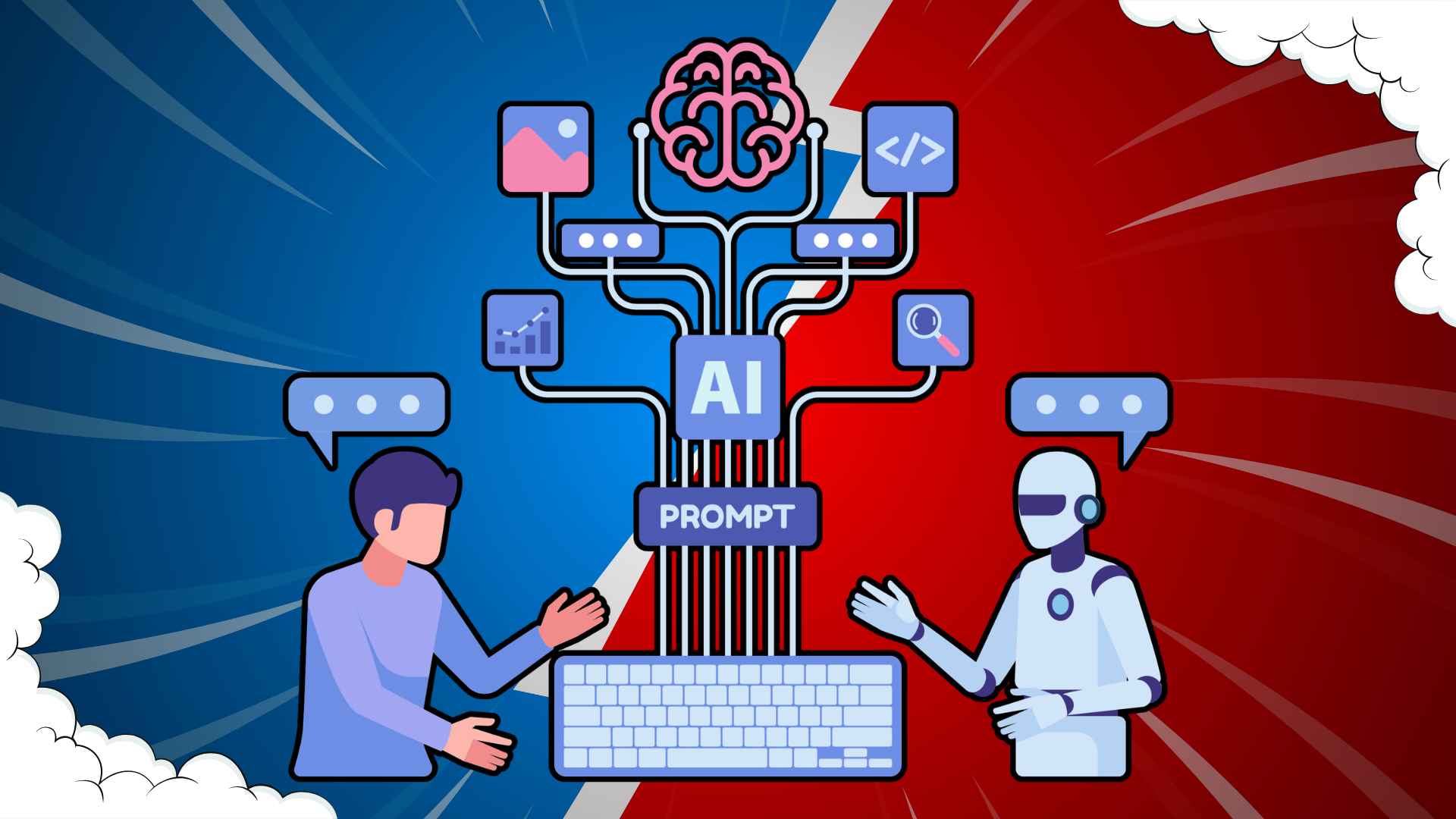
RingCX is designed to address that problem by preserving context during transfers between AI and human agents in both directions. Supervisors can view AI interactions alongside human conversations, intervene when necessary and assess the customer journey across the handoff.
For contact center leaders, the objective is to make automation more accountable. AI interactions can be evaluated against the same quality framework used for human agents, with scoring and sentiment analysis intended to give quality and compliance teams a more consistent view of customer service performance.
Quality Monitoring Extends to AI Conversations
The new capabilities also expand analytics beyond individual conversations. RingCX can track AI-to-human journeys, helping managers identify recurring escalation patterns and determine which customer requests are not being handled effectively by automation.
A bank, for example, could discover that AI-handled fraud disputes are escalated more frequently than other requests. The organization could then route those interactions directly to human agents rather than forcing customers through an unsuitable automated workflow.
The same principle applies in healthcare and retail. RingCentral cites scenarios involving health-plan claim questions and seasonal retail inquiries, where AI can handle initial requests while people take over when empathy, judgment or more complex assistance is needed.
RingCX also incorporates AI and human capacity into workforce forecasting. This allows planners to account for automated agents when estimating staffing requirements, including during periods of high demand. The potential benefit is better alignment between service capacity and customer traffic, although actual savings will depend on resolution rates, escalation volumes and the cost of maintaining AI systems.
Market Landscape
Contact centers are moving from isolated chatbot deployments toward systems that coordinate automation, human judgment and customer data across entire service journeys. RingCentral's announcement places RingCX in this shift by bringing supervision, quality management and capacity planning for AI agents into the same operational framework used for people.
Customer expectations make that coordination important. A Gartner survey published in August 2026 found that 87% of customers considered access to a human agent essential when companies use generative AI for customer service. The survey included 3,566 business and consumer customers.
RingCX competes in a market that includes contact center platforms from Genesys, NICE and Five9. These providers offer varying combinations of AI-powered customer service, interaction analytics, workforce management and automation. RingCentral's positioning centers on supervising AI and human agents together, preserving context during handoffs and evaluating both against a shared quality framework.
The key differentiator is operational integration, not simply the presence of an AI assistant. For enterprise buyers, the important questions are whether the system can detect failed resolutions, route sensitive interactions appropriately, maintain auditability and demonstrate improvements in customer outcomes.
Strategic Outlook
RingCentral's announcement reflects a broader change in contact center management: AI agents are becoming part of workforce planning, quality assurance and service operations rather than remaining separate automation tools.
The next challenge will be establishing consistent performance measures across both types of agent. Enterprises will need to track first-contact resolution, escalation rates, repeat contacts, customer satisfaction and cost per resolved interaction. They will also need clear rules for when AI should transfer a conversation to a person.
For businesses evaluating RingCX, the practical question is whether unified oversight can improve resolution quality while lowering operating costs. The announcement describes capabilities designed to achieve those goals, but does not provide independently verified performance results or quantified savings.
Top Insights
-
RingCX brings AI and human agents into one supervision dashboard, helping contact center managers monitor conversations and intervene before unresolved issues create repeat calls.
-
Shared quality scoring extends evaluation to AI interactions, giving compliance and service leaders a consistent framework for assessing automated and human customer conversations.
-
Context-preserving transfers between AI and human agents aim to reduce repetition, improve escalation handling and create smoother customer experiences across complex service journeys.
-
Combined workforce forecasting helps retailers and other seasonal businesses plan AI and human capacity together, potentially reducing reliance on temporary staffing during demand peaks.
-
Gartner's 2026 research found that 87% of customers consider human-agent access essential when AI handles customer service, reinforcing the need for reliable escalation paths.
Get in touch with our MarTech Experts
