
artificial intelligence communications
NetCarrier Appoints Laura Bella to Scale AI Voice Operations
NetCarrier Appoints Laura Bella to Scale AI Voice Operations
 PR Newswire
Published on : Apr 16, 2026
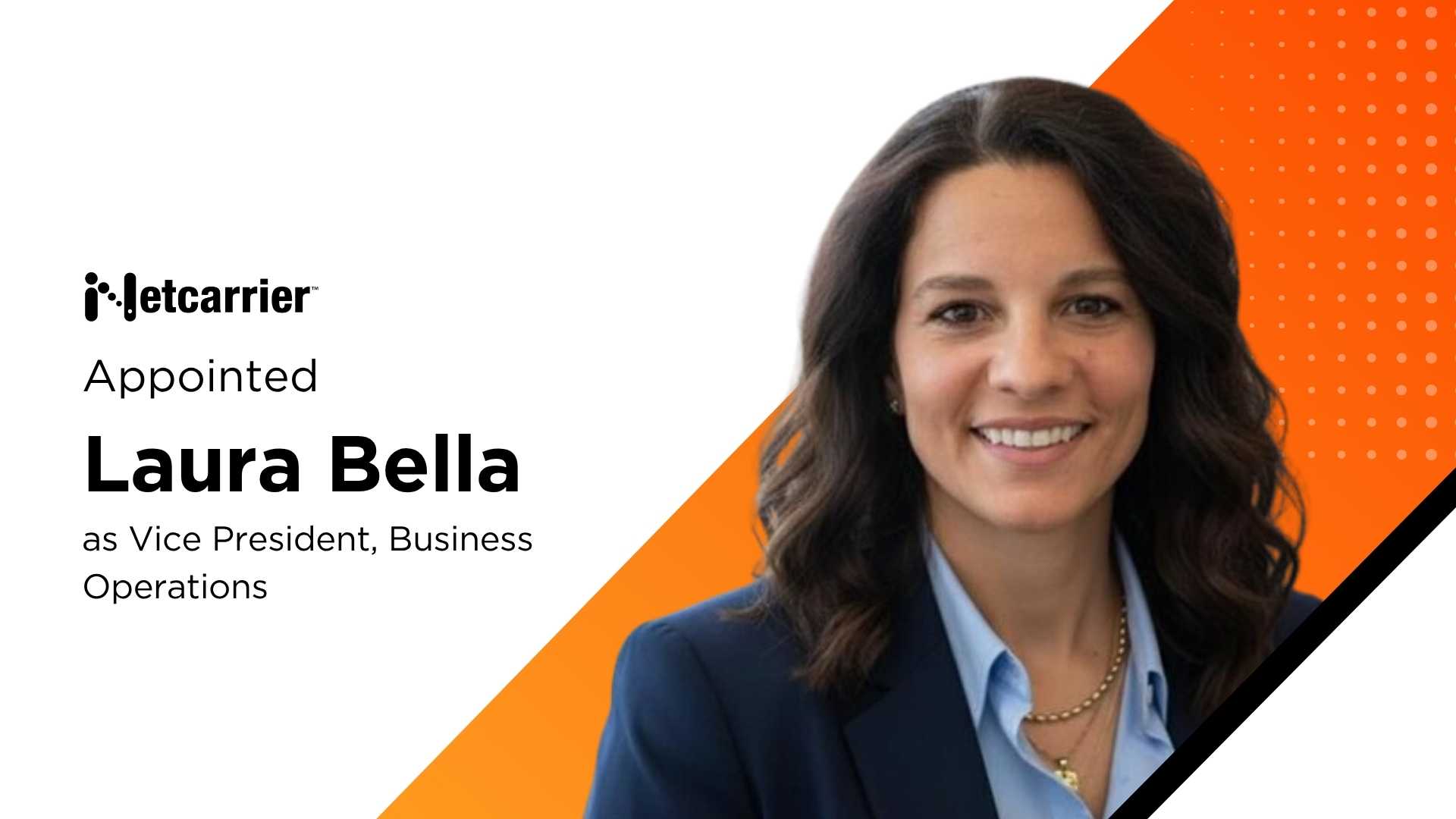
NetCarrier is strengthening its operational leadership as it doubles down on AI-powered voice automation. The company has appointed Laura Bella as Vice President of Business Operations, signaling a strategic push to scale its ConnectSmart platform and meet rising enterprise demand for intelligent communication systems.
NetCarrier’s latest leadership move reflects a broader transformation underway in enterprise communications. As voice technology evolves from a basic utility into an AI-driven engagement channel, companies are rethinking how operational infrastructure supports growth, automation, and customer experience.
Laura Bella’s appointment comes at a time when NetCarrier is expanding its focus on voice AI and automation through its ConnectSmart platform. In her new role, Bella will oversee critical operational functions—including customer success, implementation services, business systems, and human resources—while aligning them with the company’s AI-led growth strategy.
This shift highlights an emerging reality in the UCaaS (Unified Communications as a Service) and CCaaS (Contact Center as a Service) markets: operational execution is becoming as important as technological innovation. As AI-powered communication tools scale, companies must ensure that internal systems, workflows, and teams can support increased complexity without compromising customer experience.
NetCarrier’s ConnectSmart platform is positioned at the intersection of these trends. By integrating cloud voice, data services, and AI-driven automation, the platform enables businesses to move beyond traditional call handling toward more dynamic, outcome-oriented interactions. Voice is no longer just a channel—it is becoming a driver of real-time decision-making and customer engagement.
This evolution aligns with broader industry developments. Major technology providers such as Microsoft and Amazon Web Services are investing heavily in AI-powered voice and conversational interfaces, embedding them into enterprise workflows. These systems are increasingly used to automate customer support, qualify leads, and streamline internal operations.
According to Gartner, AI-driven customer interactions are expected to handle a majority of routine service requests within the next few years, reducing reliance on manual processes. Similarly, McKinsey & Company notes that automation in customer-facing operations can significantly improve efficiency while enhancing user experience when implemented effectively.
Bella’s role will be central to ensuring that NetCarrier can deliver on these expectations. Her responsibilities span both customer-facing and internal functions, reflecting the interconnected nature of modern enterprise operations. From onboarding and provisioning to ongoing support and workforce management, each component must be optimized to support AI-driven services at scale.
Her long tenure with NetCarrier—spanning 15 years—also signals continuity in the company’s leadership approach. Rather than bringing in external leadership, the organization is leveraging institutional knowledge to guide its transition into AI-powered services. This can be particularly valuable in industries where operational nuances and customer relationships play a critical role.
The emphasis on operational alignment is not unique to NetCarrier. Across the SaaS and communications landscape, companies are investing in business operations leadership to bridge the gap between product innovation and execution. As platforms become more complex, the ability to coordinate cross-functional teams and systems becomes a competitive differentiator.
For enterprise customers, the implications are tangible. AI-powered voice solutions promise faster response times, improved customer interactions, and reduced operational costs. However, these benefits depend on seamless implementation and consistent service delivery—areas that fall squarely under business operations.
Bella’s mandate includes scaling these capabilities while maintaining service quality, a challenge that many organizations face as they adopt AI technologies. Rapid growth can strain infrastructure and processes, making operational discipline essential for sustainable expansion.
The appointment also reflects a shift in how companies view voice technology. Historically treated as a cost center, voice is increasingly seen as a strategic asset that can drive revenue and customer engagement. AI is accelerating this transition by enabling more personalized, context-aware interactions.
In this context, NetCarrier’s focus on voice-driven automation positions it within a competitive but growing market. Vendors across UCaaS, CCaaS, and AI platforms are converging around similar capabilities, integrating voice, data, and analytics into unified solutions.
Ultimately, the success of these platforms will depend not only on their technical capabilities but also on their ability to deliver consistent, high-quality experiences at scale. By strengthening its operational leadership, NetCarrier is addressing a critical component of that equation.
Market Landscape
The enterprise communications market is undergoing rapid transformation as AI reshapes how businesses interact with customers and manage internal workflows. Voice, once a standalone channel, is now part of a broader ecosystem that includes automation, analytics, and real-time decisioning.
Companies are increasingly adopting AI-powered voice solutions to improve efficiency and enhance customer experience. This trend is driving convergence between UCaaS, CCaaS, and AI platforms, with vendors competing to deliver integrated, scalable solutions.
In this environment, operational excellence is emerging as a key differentiator. Organizations that can align technology, processes, and teams are better positioned to capture value from AI-driven communication systems.
Top Insights
- NetCarrier appoints Laura Bella as VP of Business Operations to support its expansion into AI-powered voice automation and scalable enterprise communication services.
- The move highlights the growing importance of operational infrastructure in delivering AI-driven customer experiences across UCaaS and cloud communication platforms.
- ConnectSmart reflects the shift from traditional voice services to intelligent, outcome-driven communication systems powered by automation and real-time data.
- Enterprises adopting AI voice solutions require seamless integration across customer success, provisioning, and internal systems to maintain service quality at scale.
- The appointment underscores how operational leadership is becoming critical in bridging the gap between AI innovation and enterprise execution.
Get in touch with our MarTech Experts




