
What Your Martech Stack Should Look Like in 2026

It is early 2026, and it is time to plan the next campaign. Yet it is not long before the conversation turns into concern. Your marketing team is spending more time working on technology than on marketing. Another concern is that there are tools being added to the mix to address the demands that are surfacing within the market.
Today, in 2026, the conversation isn’t about how many tools are needed to be added; it is how the MarTech stack is connected, flexible, and scalable.
This article will discuss the MarTech stack that is needed in 2026.
Is Your Martech Stack Ready? Start with an Audit
A careful audit gives marketing leaders clarity.
1. Start by Mapping Every Tool in your MarTech Stack
First and foremost, a clear inventory is a prerequisite to understand if your MarTech stack is primed for 2026. This entails a list of all tools used across marketing, sales, analytics, and CX.
Example: A SaaS company could realize that they are currently using separate tools for marketing automation, CRM, webinar tools, email tools, and analytics tools.
2. Identify Overlapping Tools
Over time, teams add new tools without removing old ones. This often leads to multiple platforms performing the same task. A proper audit helps identify these overlaps.
Example: A company may have two email platforms; one used by demand generation and another by product marketing. Consolidating them reduces costs and simplifies reporting.
3. Evaluate Whether your MarTech Stack Supports Real-time Data
In addition to that, it is also a good idea to test the speed of obtaining data from the tool during the audit phase. If the MarTech stack is designed for 2026, it should be able to deliver real-time reporting as opposed to delayed reporting.
Example: While it can take days to measure campaign results, it should take hours to measure campaign engagement.
4. Assess Adoption Across Teams
Even the best platforms fail if teams are not using them fully. Also, the audit should determine which tools are used effectively and which tools are not used.
For example, the company might invest heavily in tools for advanced analysis, but if only one person is using the tools, then the tools are not being used effectively.
Why Data Infrastructure Will Define the Martech Stack
The success of the MarTech stack will be determined not by the tools used, but by how data can tie the tools together.
1. Improved Data Flow Will Enhance Marketing and Sales Collaboration
A MarTech stack should facilitate the movement of data between different tools used for marketing and sales. When data flows properly, both teams can act on the same information.
Example: If a prospect interacts with product content on the website, that activity should immediately appear in the CRM, so sales teams can understand the prospect’s interests.
2. Data Quality Will Become a Competitive Advantage
The value of MarTech will depend on how accurate the data it utilizes. Ineffective data will cause misleading targeting, reports, and marketing strategies.
Example: If duplicate data is found across different tools, it may cause multiple messages being sent to a prospect, which may create a bad customer experience.
3. MarTech Stack Will be Designed Around Data, Not Just Tools
The conversation around MarTech is changing. Instead of wondering which tools to add next to their existing stack, organizations are wondering how their data infrastructure supports their entire MarTech stack.
Example: Organizations are developing new stacks by starting with data platforms or integration layers before adding campaign or engagement tools.
What to Remove, Replace, and Add in Your Martech Stack Before 2026
An effective MarTech stack should enable teams to better understand their consumers and make operations easier.
1. Remove Tools that Duplicate the Same Function
Over time, many companies add tools to solve short-term problems. The result is often multiple platforms performing similar tasks.
Example: A company uses different tools for email marketing, marketing automation, and newsletter sending. These tools need to be combined together to make operations simpler.
2. Remove Tools that Teams Rarely Use
A common issue in many MarTech stacks is underusing technology. If a MarTech tool is too labor-intensive or only a few people in a company understand how it works, then it is likely that the company is not getting the best from that tool.
Example: A company might invest in an analytics app, but if its marketing team is still using Excel for reports, then the app is likely unnecessary.
3. Replace Outdated Reporting Systems
Old reporting tools that require manual data preparation should be replaced with tools that can provide quicker visibility.
Example: Instead of waiting a few days for campaign performance reports, teams should have dashboards that update frequently and can track engagement trends.
4. Add Tools that Support Account and Buying Group Insights
B2B buying decisions involve multiple stakeholders. The tools included in a company's Martech stack should give data to understand how an entire organization is engaging with their marketing campaigns.
Example: Rather than focusing on a single lead, teams can understand how multiple people in an organization are engaging with their webinars, case studies, and product pages.
5. Add Capabilities that Simplify Marketing Operations
The most effective MarTech stack for 2026 will be one that focuses on tools that can reduce manual work and enable teams to concentrate on strategy and engagement.
Example: Automation tools that handle lead routing, campaign scheduling, or data updates can save the team’s significant time.
Conclusion
In 2026, the MarTech stack needs to be simpler. Technology should be integrated and facilitate decision-making. The objective is clear: build a MarTech stack that integrates data, fosters collaboration, and lets teams focus on growth instead of technology management.
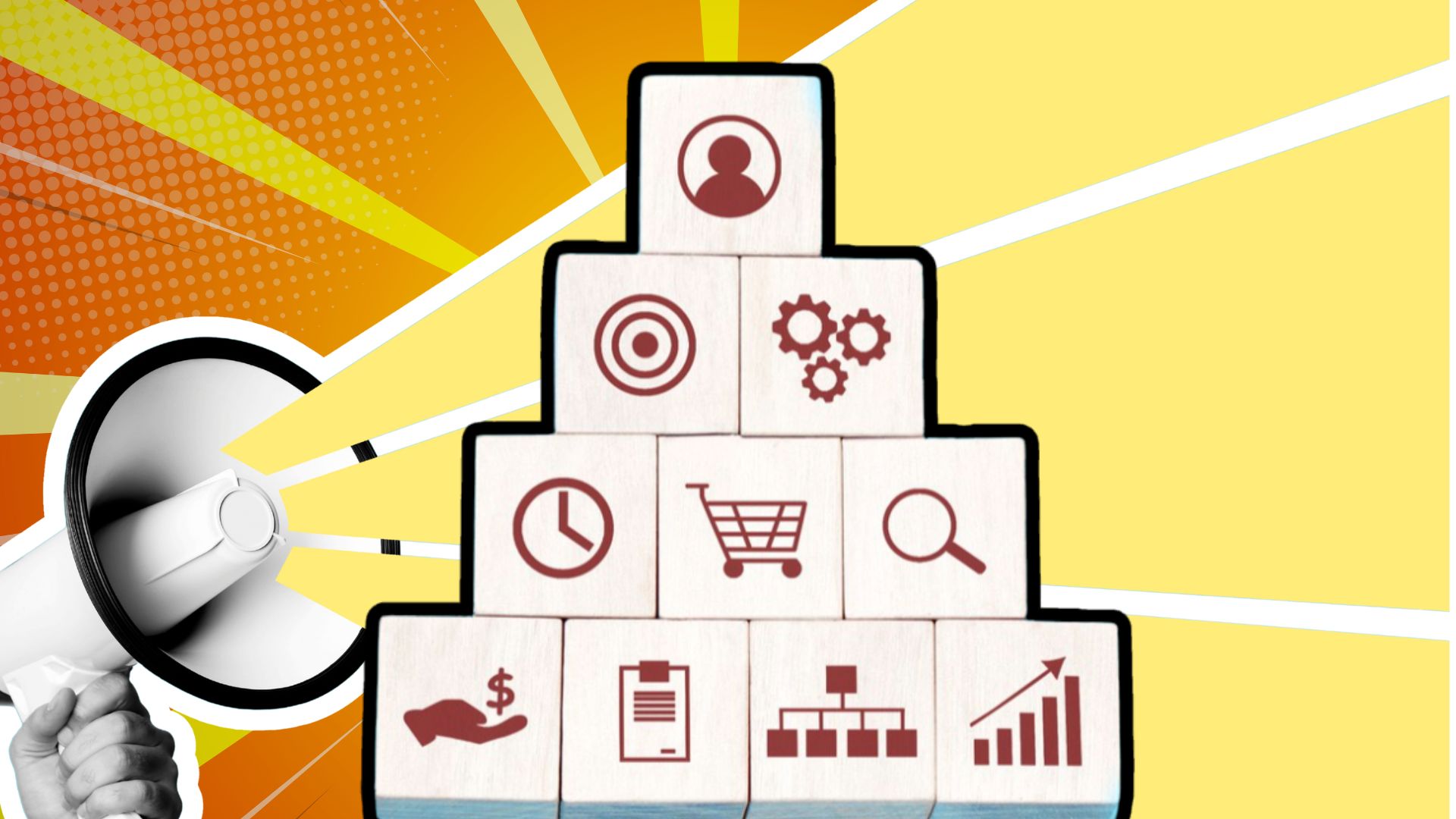
marketing technology
Join our newsletter!
Enter your email to receive our newsletter.




