
How AI Workflows are Redefining the Martech Stack

The CMO opens the dashboard expecting clarity but instead finds disconnected reports from different tools. The CRM shows one story, marketing automation tells another, and customer data lives in silos that don’t talk to each other. Campaign decisions are delayed not because of a lack of data, but because teams are spending more time stitching insights together.
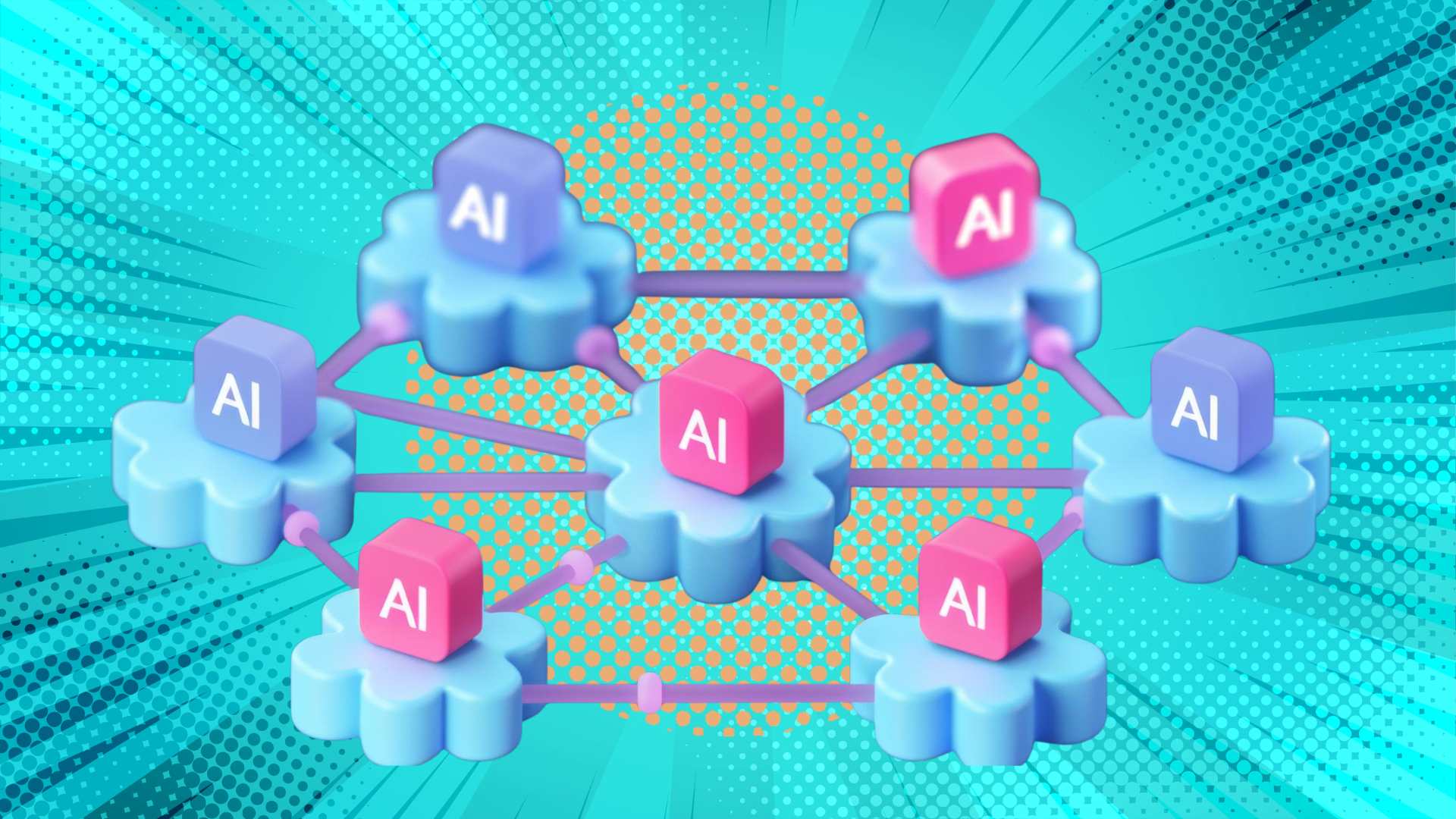
The definition of the MarTech stack for years has been seen as the aggregation of different platforms. AI workflows upend this approach and weave together the flow of data, decisions, and actions across the entire MarTech stack. What drives this new approach to the MarTech stack is AI integration. AI workflows don’t operate on top of the entire MarTech stack, adding another layer; instead, they work within the entire MarTech stack.
This article discusses how AI-related processes affect the MarTech Stack.
Why the Traditional MarTech Stack is Becoming Obsolete Without Automation?
Here are the factors making the traditional MarTech platform outdated:
1. Too Many Tools, Not Enough Orchestration
Legacy MarTech infrastructures consist of diverse standalone platforms that are each optimized for a particular purpose. Without the aid of an AI workflow solution that can coordinate these platforms, it would become the responsibility of the team to piece the insights together.
Example: Demand gen reps view high-intent accounts on the intent solution, but the CRM and email apps are not triggered.
2. The Speed of Manual Process Can't Compete
The B2B buying cycle has become one that happens in days and quarters rather than weeks and quarters. Traditional Martech operates through the need for human engagement to review the analytics and routes the leads based on that review.
With AI integration, workflows provide analysis of the customer’s behavior and deliver next-best actions in real-time because manual processing is impossible to scale.
3. Operating Expenditure Rises
When stacks increase in size, integration costs, maintenance costs, and training costs increase accordingly. More time is spent on managing tools instead of achieving results. A self-managing MarTech stack optimizes and simplifies by emphasizing and exceeding workflow effectiveness instead of tool management.
4. Scalability in Account-Based Marketing
Account-based strategies require personalization. The classic stack makes it hard to synchronize messaging across personas, channels, and funnel steps without automation.
The workflows of AI make possible a level of interaction that spans buying groups in a uniform way. This has never been possible within the framework of the old system.
How Can AI Workflows Help Integrate Data Silos in CRM, MAP, CDP, and Analytics Systems?
The processes involved in the use of artificial intelligence are being seen as the glue that binds the Martech Stack together. Here’s how this binding is achieved.
1. Building a Common Intelligence Platform for Multiple Systems
AI workflows operate above other platforms and ingest information from CRMs, MAPs, CDPs, and analytics platforms. Each of these systems would parse information on its own. Now, the AI operating layer parses all information in one place.
Data on engagement activities from MAP, opportunity status from CRM, and intent data from CDP are aggregated and analyzed in order to see which accounts are on their way to making a purchase.
2. Resolving Identity and Context
One of the key factors contributing to the creation of silos is identity mismatch, contacts, accounts, and anonymous visitors being handled as individual data entries. With the integration of AI, there is probabilistic matching and behavioral analysis, resulting in the merging of identities in the system, ensuring that the insights from analytics relate to accounts, not clicks and sessions.
3. Translating Data into Action, Not Just Reports
Traditional stacks push data into dashboards, waiting for teams to react. AI workflows turn this model upside down. Their data flows from analytics back into execution.
For instance, when analytics indicate higher levels of engagement by various stakeholders in a target account, the AI process initiates campaigns based on the data.
4. Marketing and Sales on the Same Page
Silos may exist not only in software, but also in teams. AI workflows merge decision-making by integrating the response of marketing and sales teams to the same intelligence, whereas the CRM pipeline velocity, MAP scores for engagement, along with the CDP behavior, are all harmonized, thereby avoiding conflicting priorities for the entire Martech software suite.
5. Facilitating Adaptive Orchestration
In other words, if there is no AI, then there will be no integrations. AI processes happen in real time. They change according to what is occurring. For instance, If there has been a drop-off in engagement on an account, then the workflow will automatically adjust the message, the channels, or the sales outreach.
6. Simplifying the Stack Without Replacing It
The good part about AI processes is that the existing tools will not have to be replaced. The value-added aspect that the processes bring through the MarTech stack is that the existing investment will become smarter.
The Future Role of AI in Reducing Marketing Tool Sprawl and Cost Inefficiencies?
The following illustrates how AI will radically change tool proliferation as well as cost inequities.
1. Detection of Repetitive Capabilities Within the Stack
With the integration of AI technology, the organization has the ability to view how tools have been utilized and not just how many tools have been licensed. The use of AI technology allows this to happen.
2. Replacing Manual Work with Intelligent Automation
Many solutions exist purely for the purpose of compensating for manual work such as reporting, data patching, and rule-based coordination. AI workflows remove this requirement by enabling data unification and execution. Rather than needing analytics and workflow solutions, AI reads performance data and adjusts campaigns.
3. Minimizing Integration & Maintenance Costs
A traditional MarTech stack incurs costly custom integrations. An AI workflow acts like an orchestration layer; hence, there will be fewer point-to-point integrations. The result is simpler architecture, reduced IT support, and shortened hardening cycles that directly lower operation costs.
4. Facilitating Scalable Personalization Without New Tools
Tool sprawl may result, in part, because teams believe personalization means they need additional platforms. With AI, personalization is possible using existing tools.
Example: An AI-powered workflow can personalize messaging through email, web, and sales outreach based on CRM and MAP data without introducing additional tools into an organization's technology stack.
5. Supporting Smarter Budget Allocation
AI-driven insights assist in allocating expenditures on what generates tangible results, and those that do not result in revenue growth are highlighted, leading to swift decisions on whether to consolidate and kill them.
Conclusion
Given the growing use of AI, the future of organizations is no longer wondering whether AI workflows have a place in the MarTech infrastructure but finding ways to incorporate it as quickly as possible. This outcome affects all organizations in that they will have a robust infrastructure that will change and adapt to the ways in which consumers react. The future is to examine your MarTech infrastructure and begin building what works for the future.
marketing technology
Join our newsletter!
Enter your email to receive our newsletter.




